
 EN

What Are the Top Must-Have Safety and Electronic Motorcycle Accessories for Modern Riders?
Modern riders can fill a cart with Motorcycle Accessories in minutes, but a useful setup starts with a different question: what helps you make clearer decisions before the ride begins? From the perspective of a motorcycle riding-accessories content adviser, the answer depends on riding conditions, control habits, and installation compatibility—not on a long list of gadgets.
For commuting, weekend routes, or longer trips, build the kit in layers. Put protective equipment and visibility checks ahead of convenience items. Then add electronics only after confirming mounting space, weather exposure, power requirements, and the motorcycle’s electrical capacity. This approach keeps the conversation practical: a feature matters only when it fits the rider, the bike, and the intended use.
Start With Rider Safety Moto Gear, Not Add-Ons
The first priority is Rider Safety Moto Gear that supports the parts of your body most exposed in a fall or changing weather. A helmet, jacket, gloves, riding pants, boots, and appropriate impact protection are not interchangeable accessories; each has a different job and fit requirement. Replace vague claims with a few questions: does the gear stay in place when you move, does it work with your riding position, and can you verify the label for the market where you ride?
For example, NHTSA guidance for U.S. buyers describes a DOT-compliant helmet label that includes DOT, FMVSS No. 218, and certification information. That is a regional label-check example, not a universal rule. Protective apparel can also carry documented test or rating information, such as CE-related markings in applicable markets. Check the label, product documentation, and local requirements rather than assuming a visual style indicates protection.
- Helmet: confirm size, retention system, visor condition, and the compliance information relevant to your market.
- Gloves and boots: assess grip, closure security, reach to controls, and walking or weather needs.
- Jacket, pants, and armor: make sure protective pieces remain positioned when seated on your motorcycle.
- Rain and temperature layers: choose layers that do not interfere with controls, mobility, or visibility.
A common mistake is treating gear as a one-time purchase. Recheck fit when seasons change, when you add layers, or when a new motorcycle alters your reach. Safety equipment cannot remove the risks of riding, but properly selected equipment can support more deliberate preparation.
Visibility Is a System, Not Just a Light
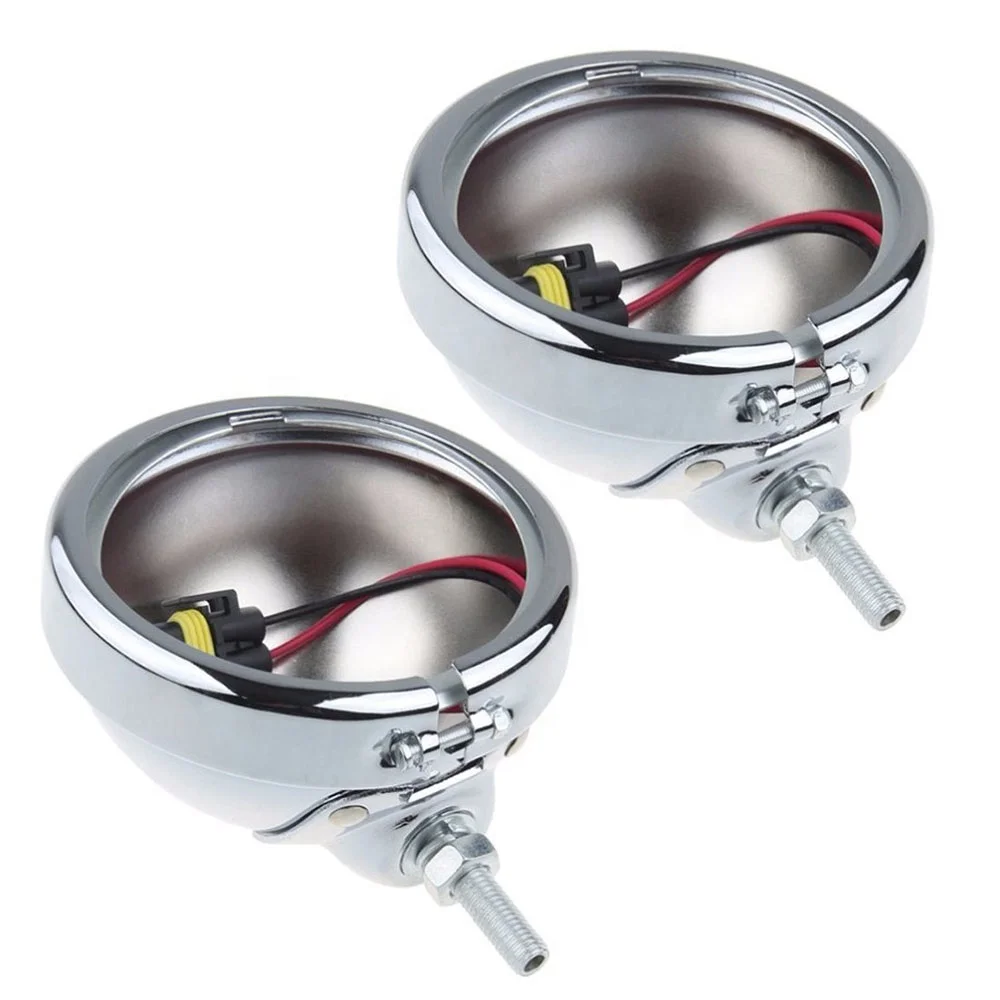
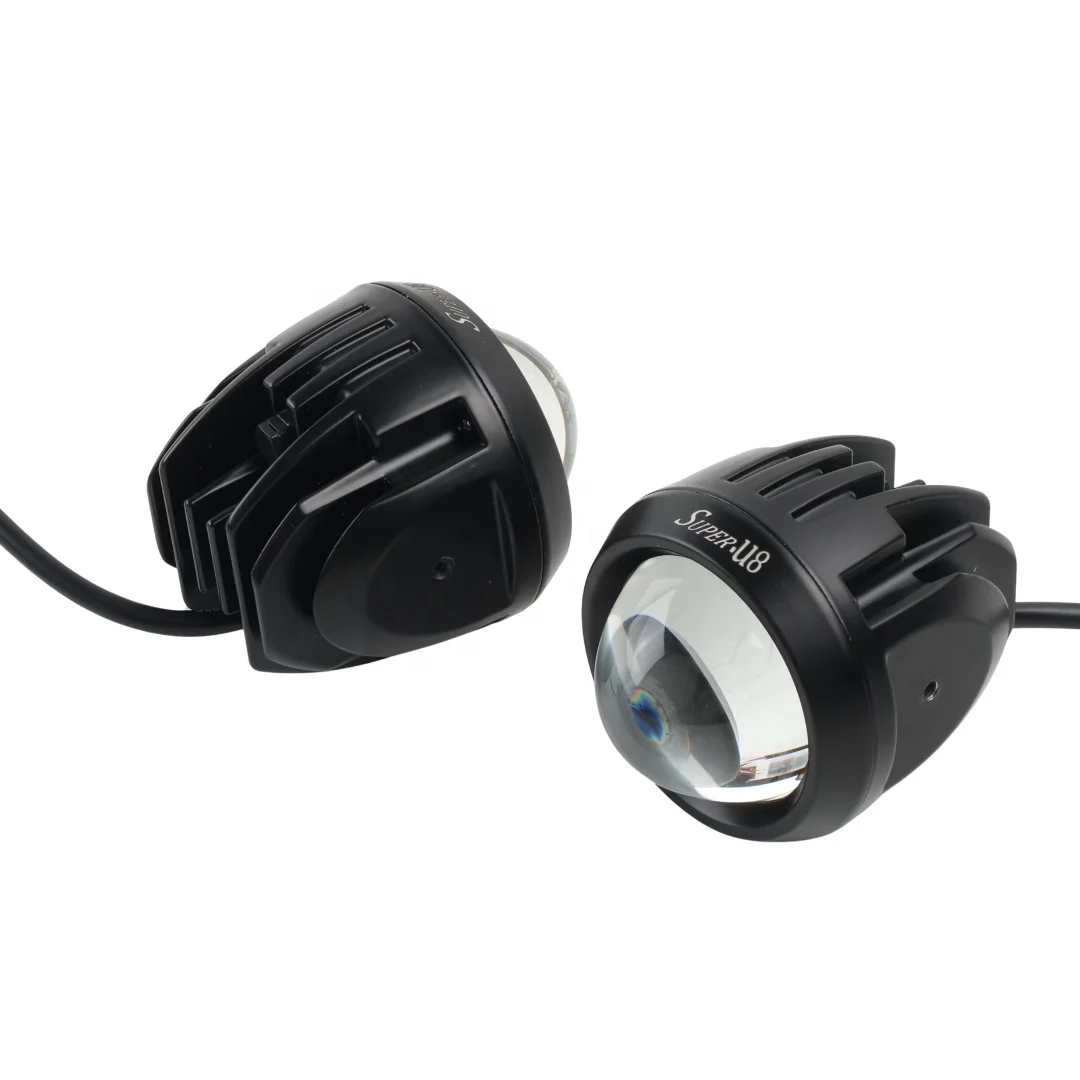
Among everyday Motorcycle Accessories, visibility-related choices deserve early attention. A clean visor, working headlamp and tail lamp, reflective details, and a riding plan that accounts for weather all contribute to how easily you can see and be seen. Lighting upgrades, auxiliary lamps, and reflective add-ons should be evaluated as part of the vehicle system—not as isolated style items.
Before fitting any lighting accessory, confirm its mounting location, beam aim, wiring route, switching method, and local road-use rules. An added lamp mounted where it blocks airflow, contacts suspension travel, or creates distracting glare may introduce a new problem. If the product documentation does not state installation limits, keep that point open and ask for clarification or use a qualified technician.
Which Electronic Motorcycle Accessories Belong in Your Setup?
Electronic Motorcycle Accessories can make navigation, communication, comfort, and trip planning easier. Their value changes with the ride. A phone mount may help a commuter follow familiar navigation prompts; a weather-resistant charging solution may help a touring rider keep an approved device powered. Neither should compete with a rider’s view of the road or obstruct access to controls.
Navigation and phone mounting
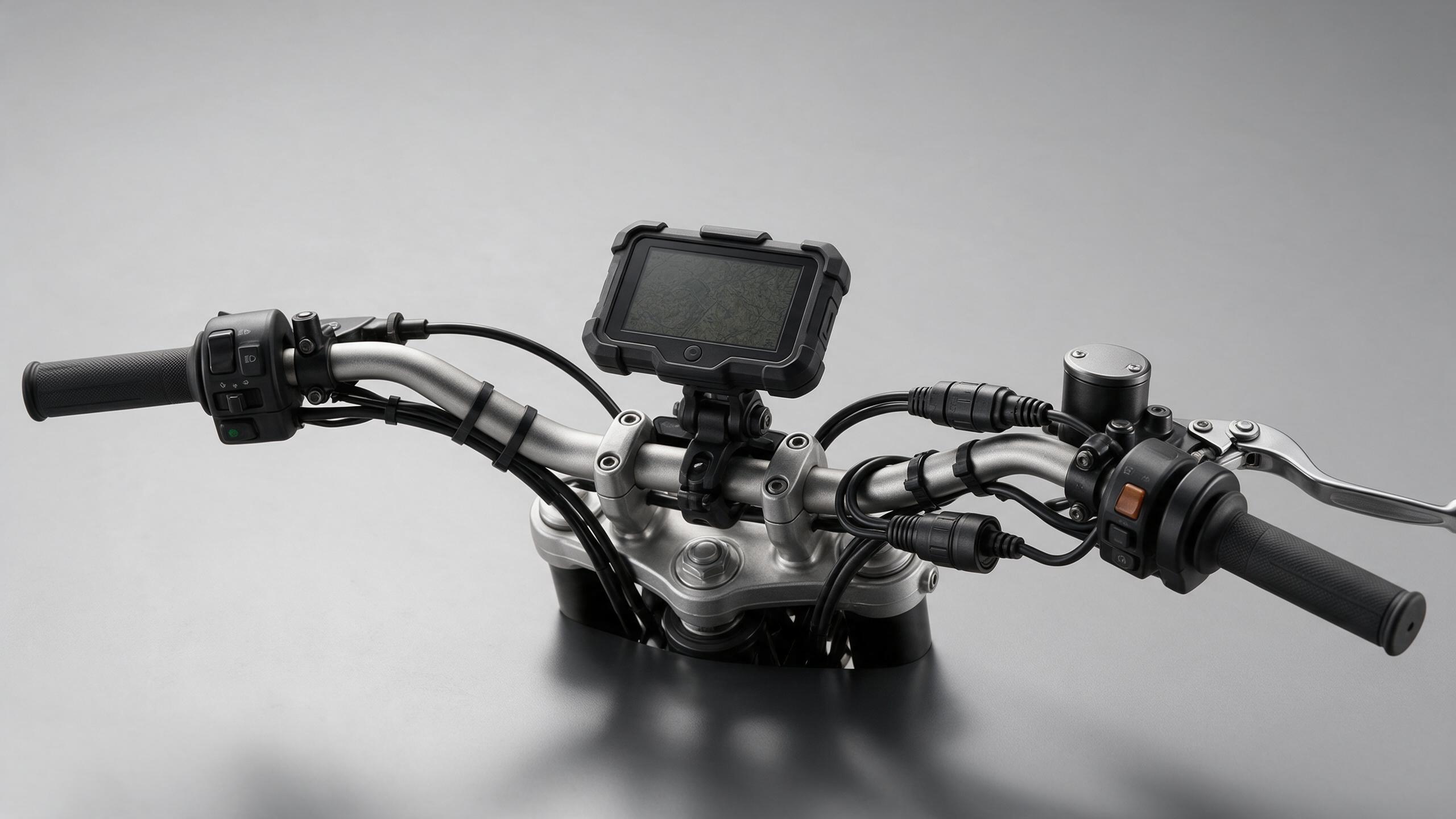
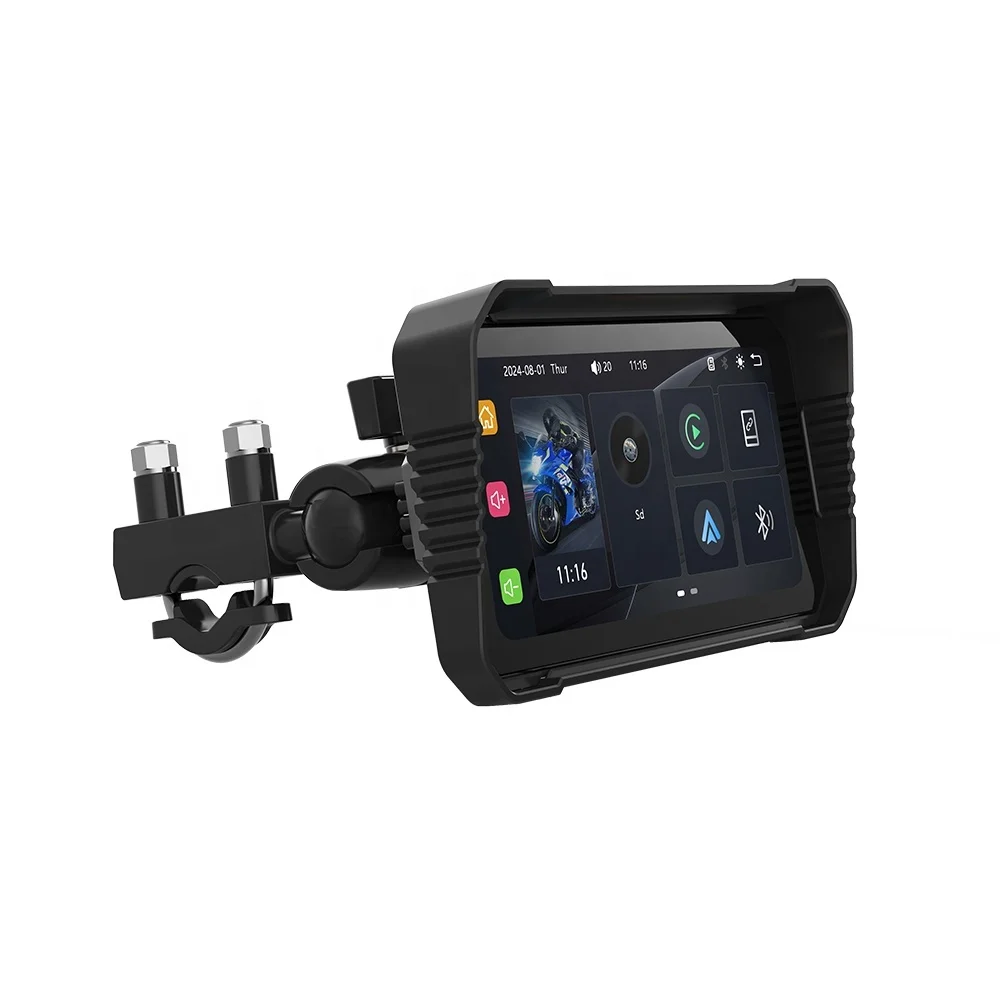
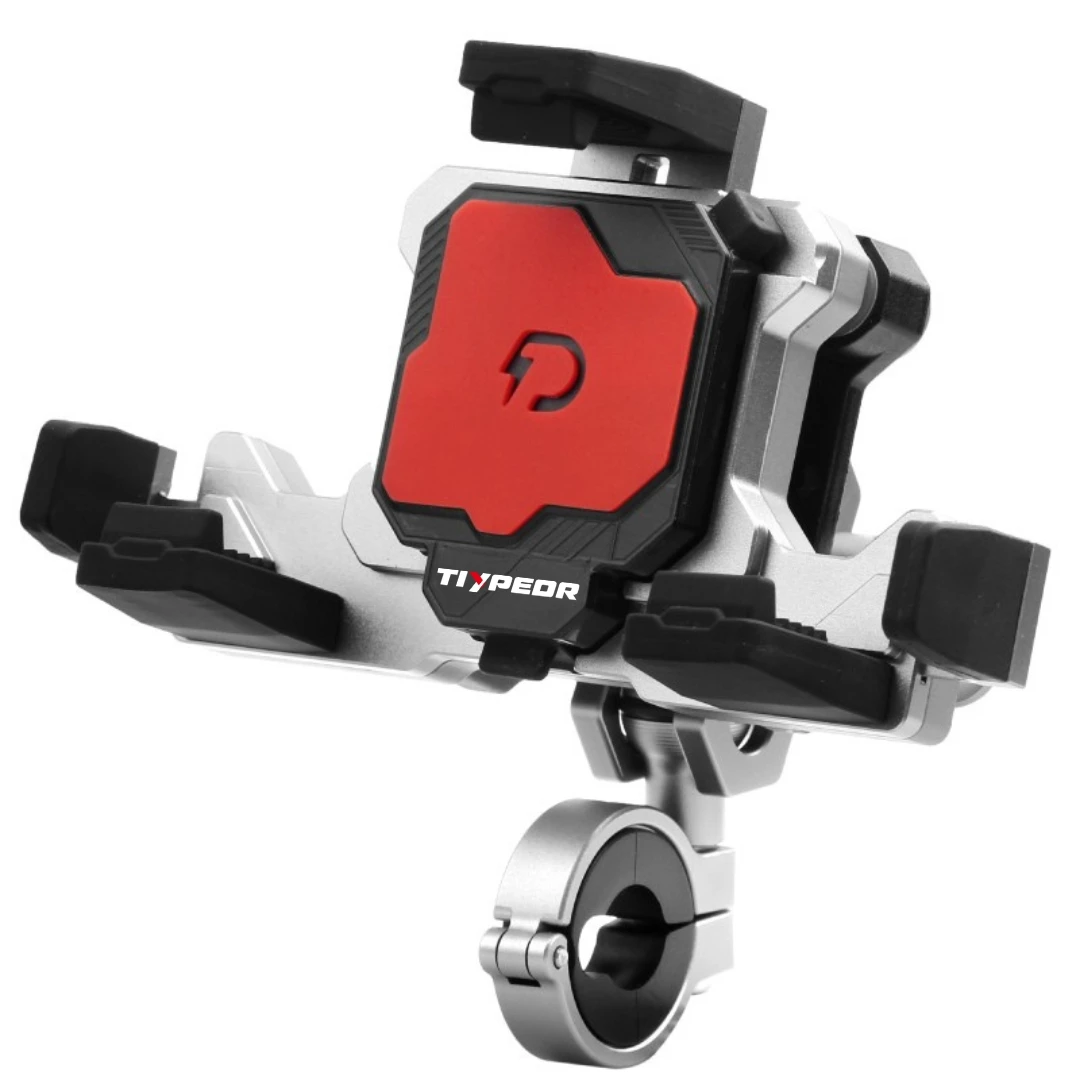
Choose a mount that matches the motorcycle’s available space and keeps the screen below the primary sightline. Confirm that the clamp or bracket does not foul steering from lock to lock, touch cables, or interfere with a tank bag. A charging lead needs its own fit check: inspect connector protection, cable routing, strain relief, and exposure to rain or wash water.
Power distribution and charging
A USB outlet, battery monitor, heated-grip controller, or auxiliary-light harness should be selected only after reviewing the motorcycle manual and the accessory’s power specification. Electrical guidance consistently emphasizes assessing battery drain and installation precautions. Use the specified fuse and connection method; do not improvise around damaged insulation or an unexplained warning light. When you are not comfortable diagnosing wiring, a qualified technician is the sensible next step.
Heated grips and comfort controls
Heated grips are a useful example of why conditions matter. Their suitability can depend on grip diameter, throttle-tube compatibility, switch placement, current draw, gloves, outside temperature, and the motorcycle charging system. Confirm power and control requirements before purchase, then ensure full throttle movement and unhindered hand access after installation. Comfort support is different from a safety promise.
Communication and cameras
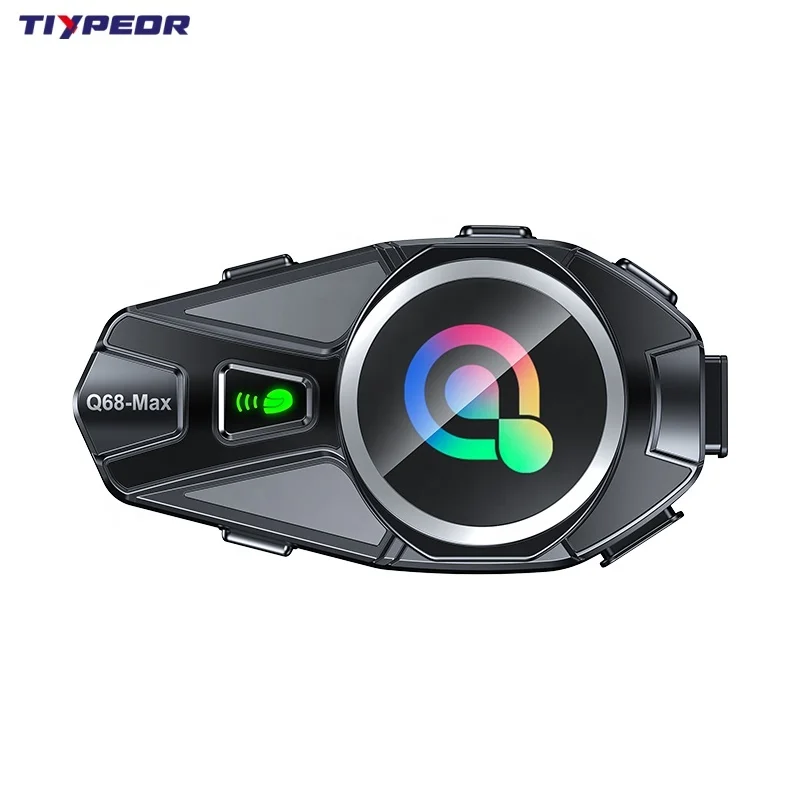
Helmet communication units and action cameras can support route coordination or record a trip, but controls should be set before moving. Test audio, mounting security, and weather sealing when parked. Avoid configurations that require repeated visual attention or leave loose cables near moving parts.
Use a Three-Question Filter Before Buying
Instead of collecting random Motorcycle Accessories, use this quick filter for each item:
- What riding task does it support? Identify whether it improves protection, visibility, navigation, comfort, storage, or maintenance preparation.
- What must fit or connect? Check model-year information, handlebar space, mounting dimensions, connectors, electrical load, and included hardware.
- What changes after installation? Turn the bars through their full range, inspect cable movement, verify control access, and follow the manufacturer’s instructions for a stationary function check.
This filter is especially useful when comparing Electronic Motorcycle Accessories. Two products may appear similar, yet differ in connector type, weather resistance, mounting hardware, or current requirements. Photos can help you understand shape, but they do not replace dimensions, wiring information, or fitment confirmation.
Build Your Setup by Riding Scenario
For a daily commuter, begin with helmet and apparel checks, clear vision, secure luggage, and a simple navigation setup that does not clutter the cockpit. For longer rides, add weather management, device power planning, and a routine for inspecting mounts and cables at stops. For seasonal riding, review warmth-focused items alongside electrical capacity and glove feel; an accessory that changes hand comfort should not reduce control feedback.
Retailers, distributors, and online sellers can make this choice easier by presenting motorcycle products with vehicle fitment, installation location, dimensions, power information, package contents, and remaining confirmation points. Clear details are more useful than broad performance language, particularly for electrical and rider-protection categories.
A Final Pre-Ride and Pre-Purchase Checklist
- Confirm helmet and protective-gear labels for your market and inspect condition before use.
- Check lights, visor cleanliness, and reflective details as part of normal ride preparation.
- For electronic items, verify mounting clearance, cable routing, fuse guidance, and electrical compatibility.
- Read the product instructions for included hardware and weather-use limits.
- Stop and seek qualified help if installation affects controls, wiring integrity, steering movement, or safe operation.
The most useful Motorcycle Accessories are the ones that match a real riding need and leave the motorcycle’s controls, visibility, and electrical system properly considered. Start with Rider Safety Moto Gear, add Electronic Motorcycle Accessories deliberately, and keep vehicle-specific confirmation at the center of every decision.
 Hot News




