
 EN

How Does a No-Drill Plug-and-Play Car Armrest Box Upgrade Driving Comfort in Compact Cars?
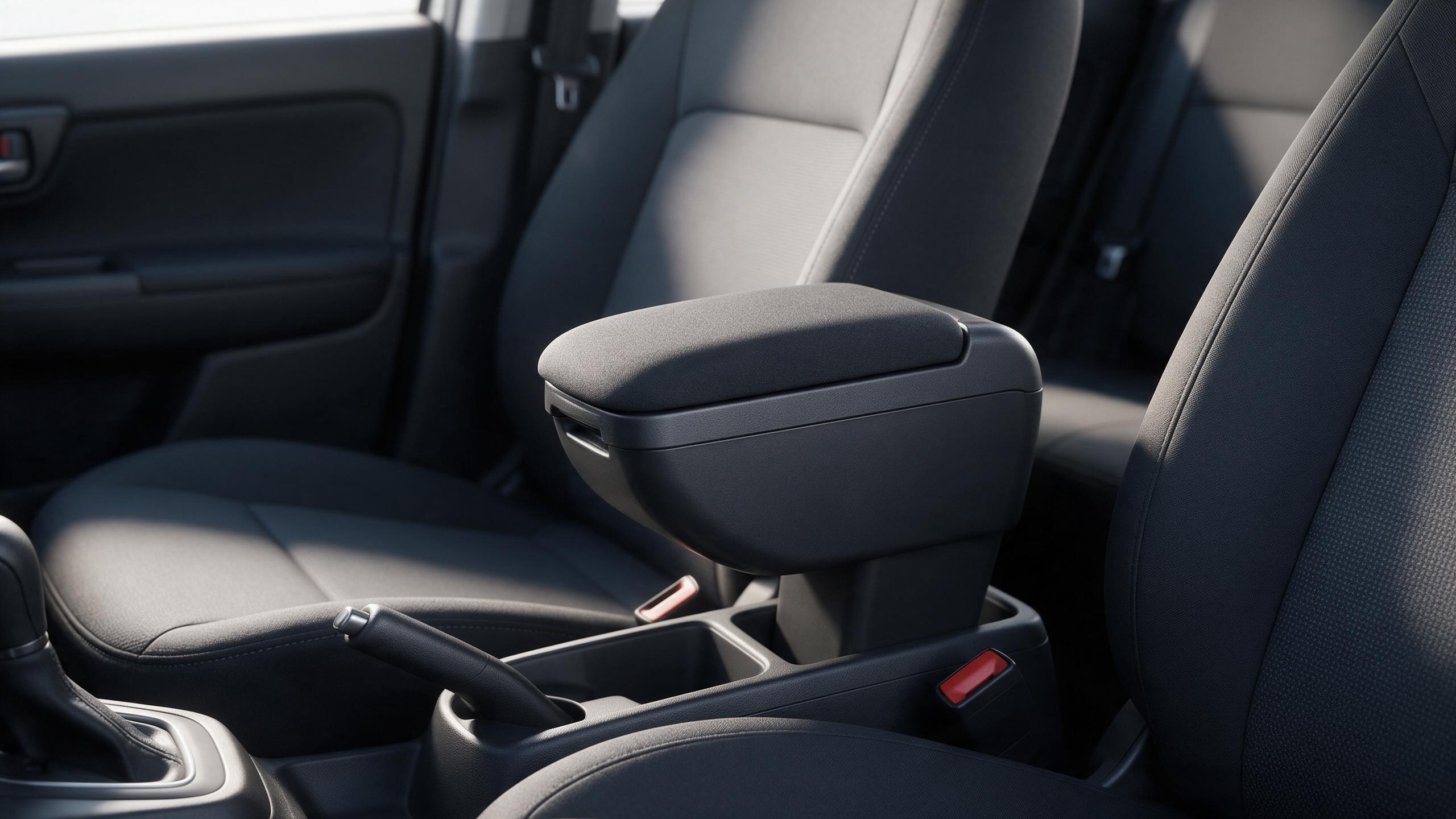
In a compact car, the center area has to do several jobs at once: it supports the driver’s elbow, holds small daily items, and leaves room for seatbelts, cup holders, controls, and the handbrake. That is why a Car Armrest Box is not simply an extra container. When the size and mounting approach suit the vehicle, it can make the space between the seats easier to use without changing the cabin permanently.
A no-drill option is appealing because it may avoid cutting or drilling original trim. Still, “plug-and-play” describes an installation approach, not proof that every Car Armrest Box fits every compact car. The useful question is whether the box works with the actual console shape, seat travel, and day-to-day driving movements.
Why compact cars make armrest upgrades feel more noticeable
Compact cabins often have limited room for loose items such as a phone cable, parking card, sunglasses, tissues, or a small wallet. Without a dedicated place for them, items migrate to a cup holder, door pocket, passenger seat, or the narrow gap beside the console. A well-matched Car Armrest Box can group these items closer to the driver’s normal reach while adding a resting surface between the seats.
The comfort benefit is practical rather than universal. If the top of a Car Armrest Box sits at a usable height and does not force an awkward shoulder position, it may make relaxed cruising or stop-and-go driving feel less cluttered. If it is too high, too wide, or too far back, it can have the opposite effect. For that reason, fit is part of comfort—not a separate afterthought.
What no-drill and plug-and-play should mean
A No-Drill Plug-and-Play Car Armrest Box generally aims to use an existing gap, console profile, base, straps, pressure fit, or supplied attachment system instead of new holes in the vehicle body or trim. This can be useful for drivers who want an interior upgrade that is easier to remove later. It may also reduce the work involved compared with an armrest that needs brackets or permanent fasteners.
However, a no-drill label does not remove the need to inspect the attachment method. Before choosing a Car Armrest Box, find out where it bears weight, which surfaces it touches, and whether it can shift under ordinary elbow pressure. A stable installation should not interfere with the driver’s controls or create a hard edge where it affects normal movement.
Comfort comes from a better driving routine, not just a padded lid
The most useful Car Armrest Box improves small actions that happen repeatedly. You may be able to rest an elbow during a steady drive, place a cable in one repeatable location, or keep small essentials from rolling into inaccessible gaps. Those changes can make the cabin feel more organized because the driver is not repeatedly searching for the same items.
This is where Compact Car Center Console Storage matters. More volume is not automatically better. In a small cabin, storage works when the lid opens where it should, the compartment can be reached without twisting, and frequently used objects do not block the space needed for a drink or a parking-brake movement. A shallow, well-positioned compartment may be more useful than a large box that disrupts the console layout.
Check the physical fit before you order
Start with measurements, then compare them with the supplier’s product-level information. One marketplace listing gives an installation-position width range of 12–21 cm (4.7–8.3 in), but that is a seller-specific example rather than a universal rule. Your vehicle’s console width, height, taper, and surface shape are what matter for your Car Armrest Box.
- Measure the mounting area. Record the narrowest and widest points of the center-console zone where the Car Armrest Box would sit.
- Check seat travel. Slide both front seats through their normal range. A box that looks fine when parked can contact a seat base after adjustment.
- Test control clearance. Confirm access to the handbrake, buckle receivers, gear selector area, charging ports, and any console lid.
- Think through lid movement. Open the proposed storage area in your mind and leave space for your hand to retrieve items.
- Confirm the attachment details. Ask whether pads, inserts, straps, or other supplied pieces are included, and whether their dimensions match your console.
Photos are useful for recognizing an overall layout, but they cannot substitute for a measured comparison. If a listing only says “universal,” request a dimension drawing or verify the product’s contact points before treating a Car Armrest Box as compatible.
Use storage zones instead of turning the console into a catch-all
Once installed, a Car Armrest Box is easier to use with a simple routine. Keep frequently used, low-risk items near the top: a charging lead, access card, or cleaning cloth. Put occasional items lower down. Avoid packing it so full that the lid will not close smoothly or that objects rattle during driving.
For Compact Car Center Console Storage, it also helps to reserve nearby areas for their original purpose. Keep a cup holder available when you use it, keep the buckle path clear, and avoid placing heavy loose objects where they could move suddenly. The goal is a calmer cabin workflow, not maximum storage at any cost.
Questions to ask a supplier or seller
- Which vehicle measurements and console shape does this Car Armrest Box require?
- How does the no-drill attachment resist side-to-side movement?
- What is included in the package, and which pieces touch original trim?
- Will the Car Armrest Box affect seat adjustment, buckle access, the handbrake, or a factory console lid?
- Can you provide a dimension diagram and photos of the base and opening clearance?
These questions are especially helpful for wholesale buyers, retailers, and online sellers because visually similar armrest boxes may use different bases and mounting methods. Clear specifications reduce the chance of presenting a Car Armrest Box as broadly compatible when it is designed around a narrower set of console dimensions.
When a no-drill upgrade is a sensible choice
A No-Drill Plug-and-Play Car Armrest Box can be a sensible upgrade when the vehicle has a usable center gap or compatible console profile, the attachment system is clearly explained, and the box preserves normal control access. It can help turn a sparse middle area into a more deliberate place for an elbow and everyday items.
The deciding factor is not the label alone. Measure first, check movement second, and compare the actual mounting design third. With those steps in place, a Car Armrest Box can support a tidier routine and a more comfortable-feeling compact-car cabin while respecting the limits of the original interior layout.
 Hot News




