EN

How Do You Match the Center Console Cup Holder Footprint When Sourcing a Vehicle-Specific Car Armrest Box?
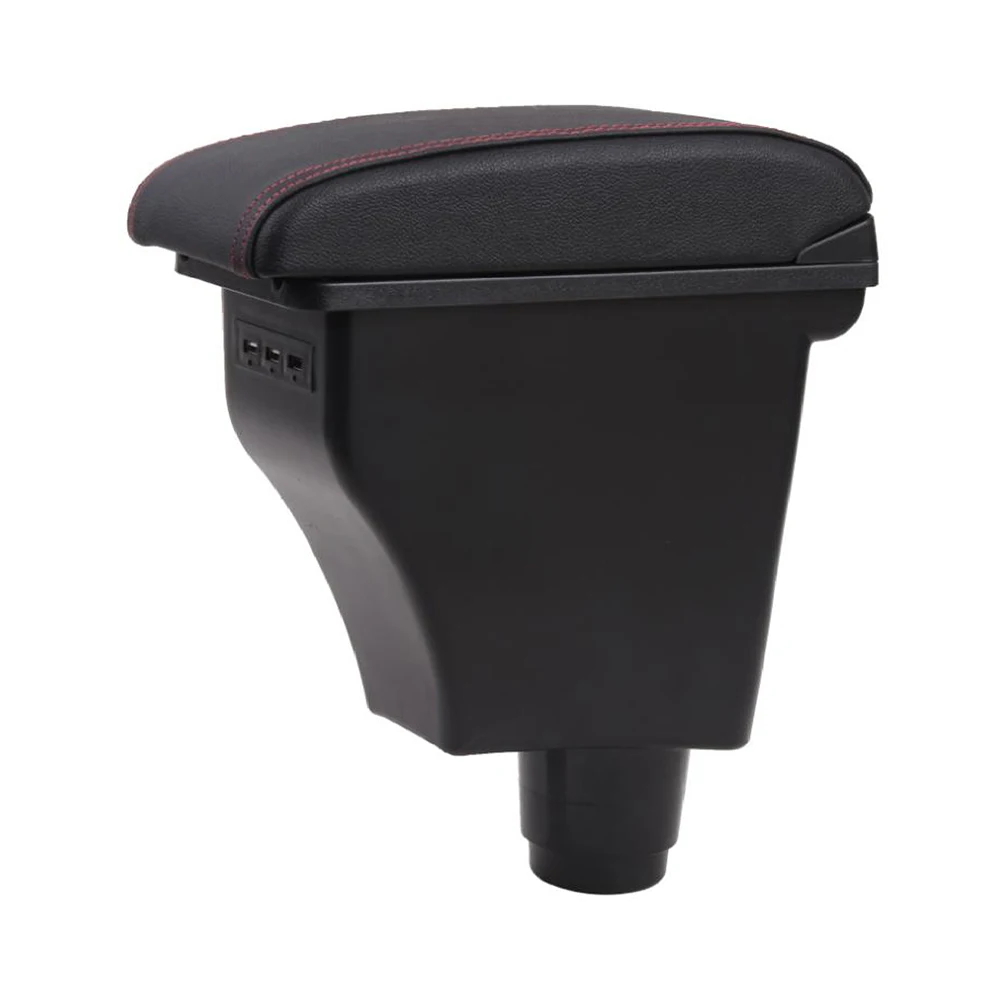
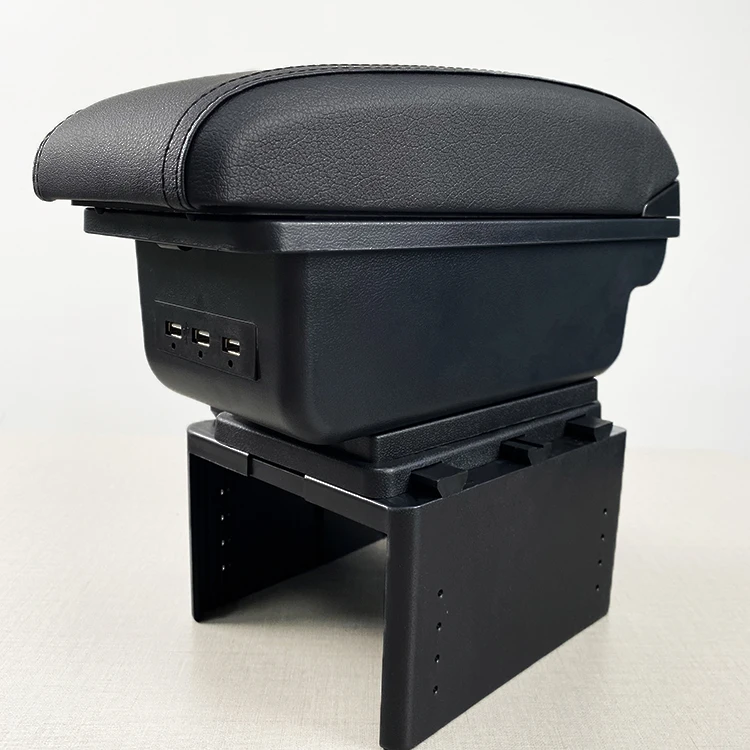
A Car Armrest Box that sits in or around a center-console cup-holder area should be sourced as a fitment project, not as a generic storage accessory. Two consoles can look similar in a listing photo while differing in opening shape, lower taper, depth, rim height, or clearance around a lid and parking-brake controls. Those details decide whether an armrest box rests level, remains stable, and leaves the original controls usable.
From an installation-and-fitment verification perspective, start with the vehicle, model year, trim, and exact console location. A vehicle name alone is often not enough. Some searches describe cup holders in broad ranges of roughly 2.5 to 3.5 inches across and 2 to 3 inches deep, but that is only a reminder to measure the actual console. It is not a fitment specification for a particular car.
Define the footprint before comparing a Car Armrest Box
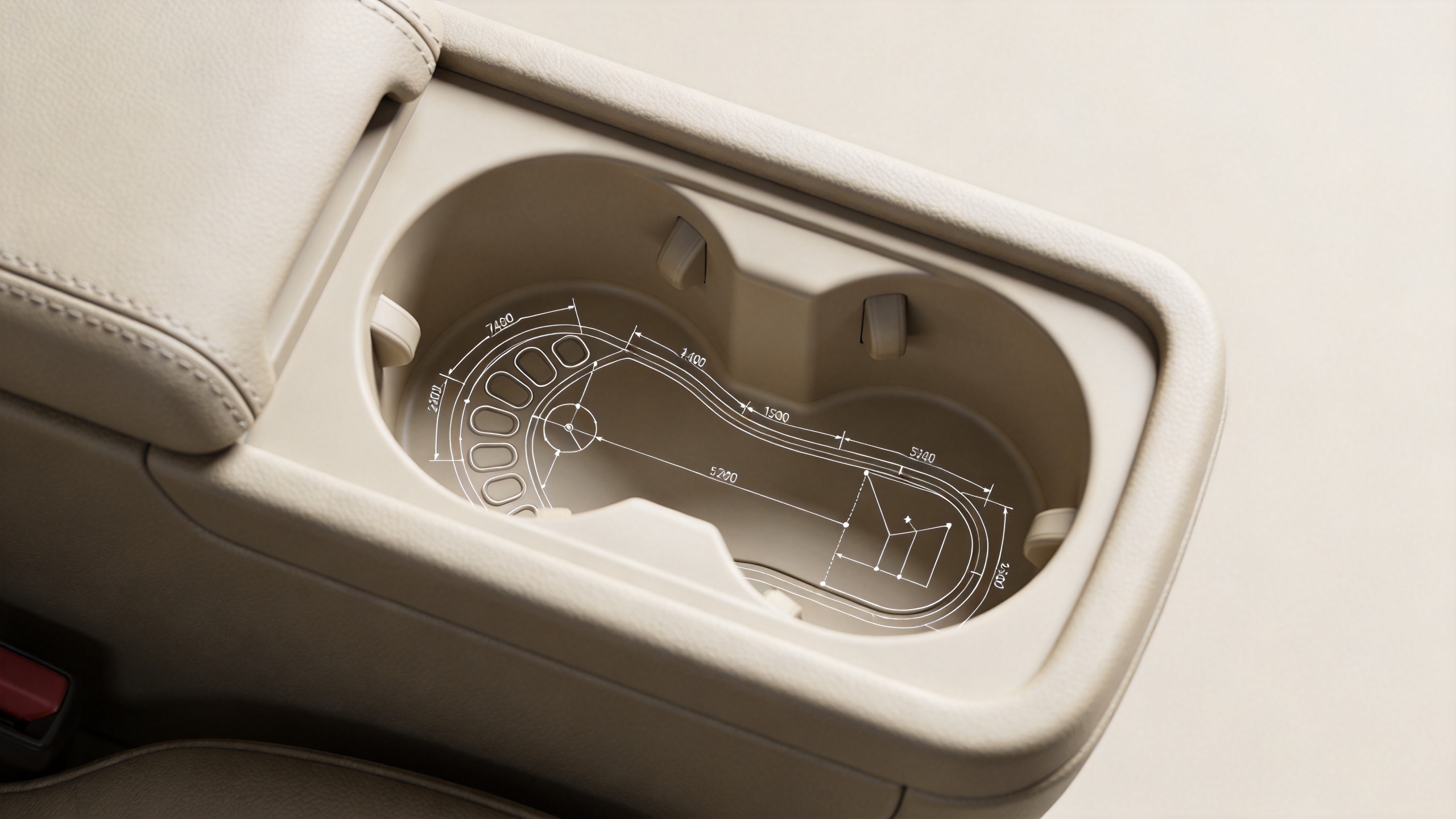
The footprint is more than the visible top opening. For a vehicle-specific Car Armrest Box, it is the usable three-dimensional envelope where the base, locating tabs, and any surrounding skirt must sit. A supplier needs information about the top plane, the internal cavity, and the moving parts nearby.
- Top opening: Record the inside width and length for a rectangular opening, or two perpendicular inside diameters for a round or oval opening. Measure at the plane where the product will touch.
- Shape and corners: Photograph the opening from directly above. Rounded corners, a keyhole profile, an offset divider, or an oval that narrows at one end can rule out a nominally similar base.
- Lower cavity: Measure the usable depth and check whether the walls taper. A base that clears the upper rim may still bind lower in the cup holder.
- Rim and lip: Note whether there is a raised lip, soft insert, removable liner, or stepped ledge. These features affect where the box is supported.
- Center-to-center spacing: If the design bridges two cup holders, measure the distance between their centers as well as the gap between their nearest edges.
A Vehicle-Specific Car Armrest Box should therefore be evaluated against a dimension set, not just one diameter. If the console is asymmetrical, provide left-to-right and front-to-back measurements separately rather than averaging them.
Check the controls and movement around the console
A footprint can match and still create a poor installation if the upper body blocks an action the driver needs. Before sourcing, map the space around the proposed Car Armrest Box. Check the gear selector path, handbrake travel, console lid sweep, seat-belt buckle access, charging ports, switches, and the path used to retrieve cups or small items.
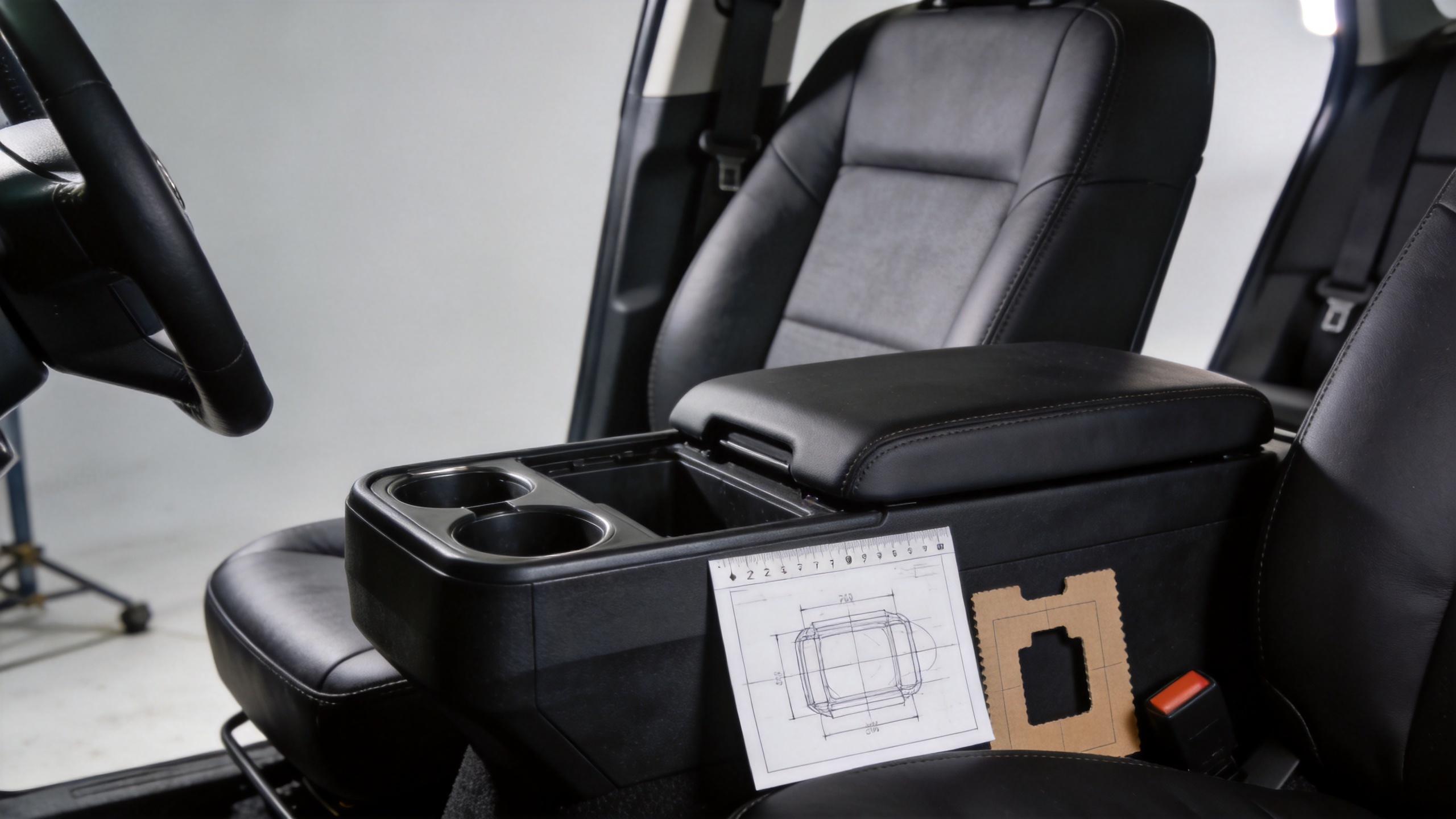
Use a simple clearance test: place a piece of cardboard over the measured opening at the approximate planned height and width, then move the nearby controls through their normal range. This does not approve a final product, but it quickly identifies conflicts worth communicating before tooling or sample preparation. A photo taken from the driver side and another from the passenger side makes this check easier for a supplier to interpret.
Opening behavior deserves its own note. A box with a hinged lid needs overhead and rearward sweep clearance; a sliding lid needs a clear travel direction; a padded top needs to stay clear of the console lid and seat adjustments. In other words, storage volume is only one part of the sourcing decision. The interaction between the console and the armrest is equally important.
Build a supplier-ready footprint package
For a custom request, combine measurements with visual references. The goal is not to claim that every Custom Cup-Holder Fit Console Box will fit; it is to reduce ambiguity so the supplier can state what remains to be checked.
- Identify the vehicle precisely. Include make, model, model year, trim if known, drive orientation where relevant, and a photo of the complete center-console area.
- Photograph the cup-holder zone. Supply top, front, rear, left, right, and angled views. Put a ruler or caliper in at least one image so proportions are visible.
- Create a measurement sketch. Label the top opening, bottom opening if different, depth, rim height, wall taper, cup-holder spacing, and nearby control distances. Use one unit system consistently.
- Describe the mounting concept. State whether the Car Armrest Box should sit in one holder, bridge two holders, use an insert, or rest on a console surface. Also identify any removable factory inserts.
- List use priorities. Explain whether the priority is a higher armrest, a small storage compartment, retained cup access, a phone position, or a combination of these. This reduces the chance of approving a shape that fits but misses the intended use.
Compare a Vehicle-Specific Car Armrest Box by fitment layers
When reviewing drawings or samples, compare the design in layers. First, confirm that the locating base enters the intended cup-holder cavity without forcing it. Second, check that the supporting flange or skirt reaches a stable surface. Third, verify that the upper box clears controls and does not interfere with normal console movement. Finally, test the armrest position with the driver seat adjusted for the intended user.
This sequence matters because an upper shell can hide a weak base fit. A Vehicle-Specific Car Armrest Box may look centered from above but rock if its support points land on an uneven rim or a removable insert. Ask for the support surfaces to be shown in the drawing, especially when the console has two holders of unequal depth or a molded divider.
| Fitment layer | What to confirm | Common sourcing mistake |
|---|---|---|
| Entry | Base outline, lower taper, depth | Matching only the visible opening |
| Support | Rim contact, flange width, anti-rock points | Assuming a flat console surface |
| Clearance | Lid sweep, controls, seat and buckle access | Checking the box while the car is parked only |
| Use | Arm position, storage access, retained cup function | Choosing capacity without testing daily actions |
Use a sample to settle the remaining questions
Photos and dimensions create a stronger starting point, but a sample is the practical checkpoint for a new vehicle-specific design. Test it in the target console with the original cup-holder insert installed and removed, if the insert is removable. Check whether the box can be inserted without excessive force, whether it stays stable over normal road movement, and whether the lid, selector, or adjacent controls remain accessible.
For batch sourcing, record every revision against the same measurement sketch. If a supplier changes the locating tabs, base taper, foam pads, or upper wall shape, repeat the console check. This keeps later revisions from being approved on appearance alone.
A concise inquiry checklist
When sending an inquiry for a Car Armrest Box, provide: vehicle and model-year details; six or more console photos; top and lower footprint dimensions; cavity depth; cup-holder spacing; rim and insert details; nearby-control clearances; mounting preference; target quantity; and a request for a dimensioned drawing or sample confirmation. The key question is not “Does this fit my car?” but “Which dimensions and contact points does this design use to fit this exact console?”
That shift makes the conversation more useful for wholesalers, retailers, and sourcing teams. A Custom Cup-Holder Fit Console Box becomes easier to evaluate when every party can see the same footprint, support surfaces, and clearance limits. If any item is missing, treat compatibility as still to be confirmed rather than implied by a similar-looking console.
 Hot News