
 EN
EN
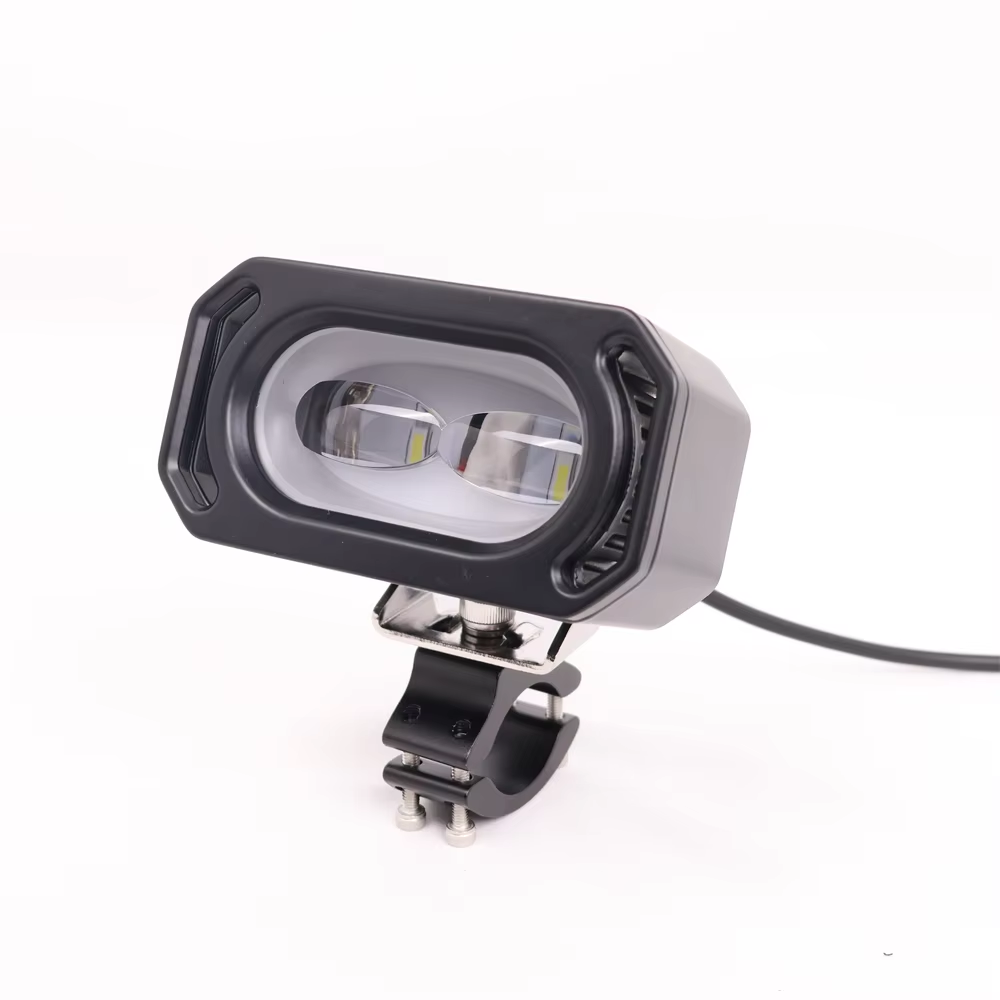
The Rain Visibility Problem: Why Standard Lighting Fails Motorcycles
Rain creates a double threat for motorcycle riders: reduced visibility and increased danger from other motorists struggling to see. Standard motorcycle headlights often fall short under these conditions. Rain scatters light, creating glare that obscures road hazards and diminishes the effectiveness of traditional beams. According to the Federal Highway Administration (FHWA), wet weather significantly reduces the distance at which drivers can detect non-reflective objects or hazards—a challenge magnified for motorcycles due to their smaller profile and lower visual conspicuity. The result is a critical gap in rider safety during rain, making auxiliary lighting specifically engineered for motorcycles essential to overcome the inherent limitations of standard systems in wet conditions.
How Waterproof Motorcycle Auxiliary Fog Lights Solve Rain-Specific Challenges
Standard headlights create dangerous glare in rain by reflecting off water droplets. Waterproof motorcycle auxiliary fog lights overcome this with two core engineering features: sealed housing with active thermal management for reliability, and an optimized optical design that minimizes backscatter.
IP68+ Sealing and Active Thermal Management for Reliable Wet-Weather Operation
Rain exposes auxiliary fog lights to water ingress and rapid temperature shifts—conditions that can cause internal condensation, lens fogging, and thermal stress. A true IP68+ rating guarantees protection against prolonged submersion and dust ingress, preventing moisture buildup that degrades light output and clarity. Complementing this, active thermal management rapidly dissipates heat generated by high-output LEDs. This dual defense maintains consistent brightness, prevents lens fogging during sudden downpours, and ensures stable performance across extended rides in heavy rain—delivering the visibility riders depend on when it matters most.
Optimized Optical Design: Wide, Low-Cutoff Beams That Reduce Backscatter in Rain
The beam pattern is where rain-specific performance is won or lost. Unlike standard headlights—which project light upward and scatter broadly—waterproof motorcycle auxiliary fog lights use a precisely engineered wide, flat beam with a sharp horizontal cutoff. This keeps illumination tightly focused on the road surface, minimizing the amount of light directed into the rain column directly ahead of the rider. Less direct illumination of falling droplets means dramatically less backscatter and glare. Instead of “lighting up the rain,” these lights illuminate the asphalt—revealing lane markings, debris, potholes, and oil slicks earlier and more clearly. That targeted, low-angle coverage transforms rainy-night riding from hazardous to confidently manageable.
Proven Safety Benefits: Increased Rider Visibility and Accident Prevention in Wet Conditions
Riding in wet conditions presents unique hazards that standard motorcycle lighting cannot address effectively: reduced contrast, longer stopping distances, and diminished conspicuity for both rider and driver. Waterproof auxiliary fog lights counter these risks not by adding raw lumens, but by delivering intelligent illumination—focused where it improves decision-making and reaction time.
NHTSA Data Insight: 42% Higher Crash Risk in Rain — How Auxiliary Fog Lights Mitigate It
NHTSA studies reveal a 42% higher crash risk for motorcycles during rainfall compared to dry conditions—a statistic rooted in shortened detection distances and delayed hazard recognition in precipitation. Auxiliary fog lights mitigate this through purpose-built optical engineering:
- Targeted beam placement delivers wide, low-cutoff illumination that highlights road edges and surface hazards without compromising oncoming traffic visibility
- Reduced backscatter allows light to penetrate rain rather than reflect off it, preserving usable contrast and depth perception
- Enhanced conspicuity increases motorcycle detection distance by up to 30%, giving other drivers critical extra seconds to react
By illuminating immediate road-surface hazards—like standing water, gravel, or faded markings—before they enter the rider’s primary headlight beam, these systems provide measurable gains in reaction time. Rider safety studies confirm that properly configured auxiliary lighting improves hazard recognition speed by 28% in simulated rain conditions—turning marginal visibility into actionable awareness.
FAQs
Why are standard motorcycle headlights ineffective in rain?
Standard motorcycle headlights scatter light in rain, creating glare off water droplets that obscures hazards and reduces visibility.
What makes waterproof motorcycle auxiliary fog lights different?
They feature IP68+ sealed housing, active thermal management, and a wide, low-cutoff beam pattern to reduce backscatter and focus illumination on the road.
How do auxiliary fog lights improve safety during rain?
They enhance visibility by targeting road surfaces and hazards, reducing backscatter, and increasing the rider’s conspicuity for other motorists.
What is the significance of an IP68+ rating?
It ensures high protection against water and dust ingress, making the lights reliable during prolonged exposure to wet conditions.
How much do auxiliary fog lights reduce accident risks in rain?
Studies show a 28% improvement in hazard recognition time and up to a 30% increase in visibility for other drivers.
