
 EN
EN
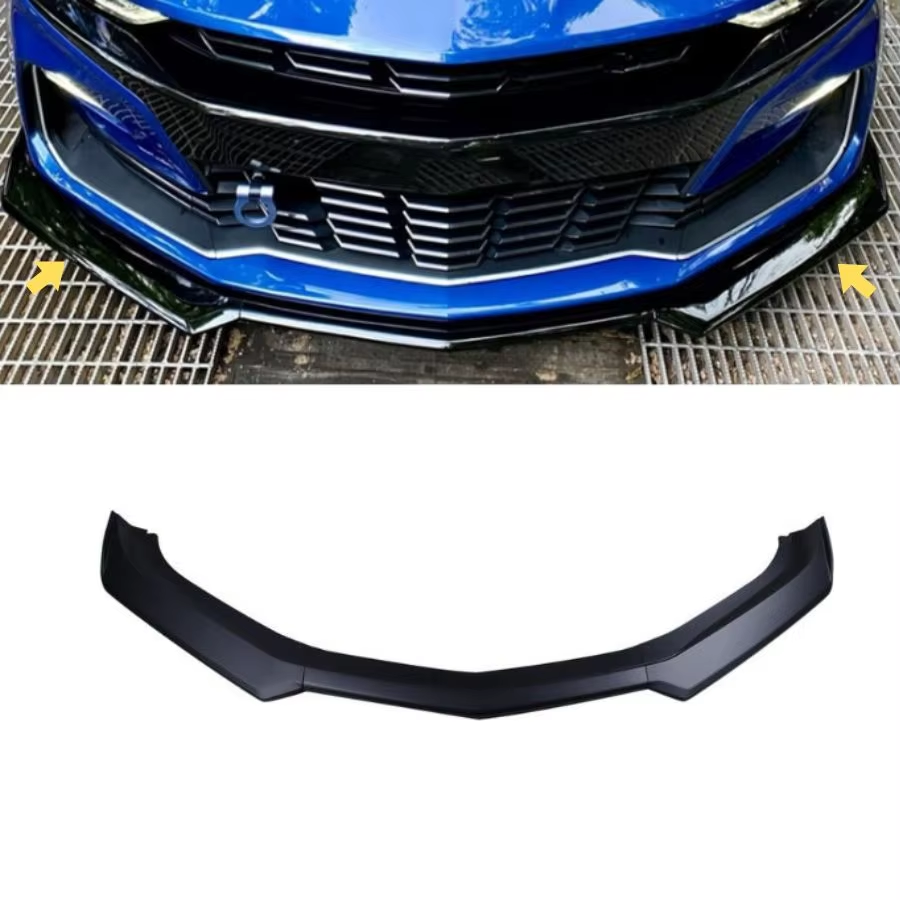
Polyurethane (PU): The Benchmark Material for High-Volume Auto Front Lip Production
For B2B retailers and distributors operating in the automotive aftermarket, selecting the right material for auto front lips is far more than a technical specification. It directly impacts return rates, customer satisfaction, shipping costs, inventory turnover, and ultimately, the bottom line. With multiple material options available—each offering distinct trade-offs in durability, cost, appearance, and logistics—making an informed sourcing decision requires a clear understanding of real-world performance data and business metrics. This guide provides a comprehensive comparison of polyurethane (PU), ABS plastic, carbon fiber, and fiberglass, equipping retailers with the framework needed to align material selection with their operational goals and market positioning.
Polyurethane (PU): The Benchmark Material for Bulk Production
Polyurethane stands as the benchmark material for bulk auto front lip production because it uniquely combines impact resistance, shape memory, and surface finish compatibility. Unlike rigid plastics that crack upon impact, PU's elastomeric nature allows it to flex and recover from minor collisions without sustaining permanent damage. This resilience is a critical advantage for components exposed to frequent road debris, parking bumps, and low-speed impacts. For B2B retailers, this translates directly into fewer warranty claims and returns—a key metric that separates profitable product lines from costly liabilities.
PU's surface chemistry also ensures excellent paint adhesion. Independent testing consistently confirms 5B ratings per ASTM D3359, meaning that color coats remain intact after thermal cycling and stone-chip exposure. This paint retention is essential for maintaining the premium appearance that customers expect from aftermarket body parts. For OEM-compatibility, PU formulations can be precisely tuned to match factory-specified hardness, gloss, and texture, enabling leading suppliers to replicate original equipment finishes with high fidelity. Retailers benefit from fewer fitment complaints, stronger repurchase signals, and simplified quality assurance processes. Additionally, PU's processability in injection molding supports high-volume, repeatable output with minimal scrap, strengthening supply chain reliability for bulk orders.
The real-world performance of PU is validated by independent field evaluations. A 2023 Materials Performance Institute study tracked 1,000 PU auto front lips installed on fleet vehicles across diverse urban environments over three years. The results showed that 97% exhibited no structural failure after 36 months, and the remaining 3% showed only superficial scuffs or abrasions that required no replacement. This durability stems from PU's high elongation capacity, which can reach up to 500%, allowing it to absorb energy without tearing. Paint retention proved equally robust, with PU lips retaining 95% of original gloss after exposure to UV radiation, road salt, and chemical contaminants—outperforming both ABS and fiberglass alternatives. For B2B retailers, these figures translate directly into lower return rates, higher customer satisfaction scores, and stronger confidence in nationwide inventory planning. The consistent results across humid coastal and arid inland climates further affirm PU's suitability for broad geographic distribution.
ABS Plastic: Cost-Efficient Scalability for Mass-Market Orders
For retailers targeting high-volume, cost-sensitive market segments, ABS plastic offers exceptional value. ABS delivers outstanding dimensional stability, which is critical for auto front lips requiring precise, model-specific fitment. Unlike polypropylene, ABS maintains tight tolerances across temperature fluctuations of ±15°C, enabling reliable use of multi-cavity molds that reduce per-unit manufacturing costs by up to 40%. Its naturally smooth, paint-ready surface eliminates the need for specialty primers and accelerates color-matching workflows, reducing production lead times and simplifying quality control.
The industry's confidence in ABS is reflected in adoption rates. Over 78% of Tier 1 automotive suppliers now specify ABS for components exceeding 250,000 units annually, demonstrating its proven scalability and consistency. Combined with strong impact and scratch resistance, ABS meets OEM expectations for appearance and function, making it the go-to material for mass-market retailers who prioritize cost control without compromising baseline quality.
From a supply chain perspective, ABS resin remains competitively priced relative to engineering-grade polymers. Recent industry shifts toward recycled content have helped stabilize long-term costs, with closed-loop systems now recovering 32% of post-industrial ABS waste. To lock in reliable supply and pricing, retailers should pursue long-term contracts with injection molding partners, leveraging volume commitments to hedge against raw material volatility. Monitoring acrylonitrile, butadiene, and styrene monomer pricing can inform optimal timing for bulk resin purchases. Specifying multi-cavity tooling and standardized part geometries can cut per-unit material consumption by up to 15%, further insulating margins. Retailers may also consider certified automotive-grade recycled ABS, which meets functional specifications at a 10 to 15% cost advantage over virgin resin. Dual-sourcing ABS resin from pre-qualified suppliers mitigates disruption risk while preserving quality consistency across production runs.
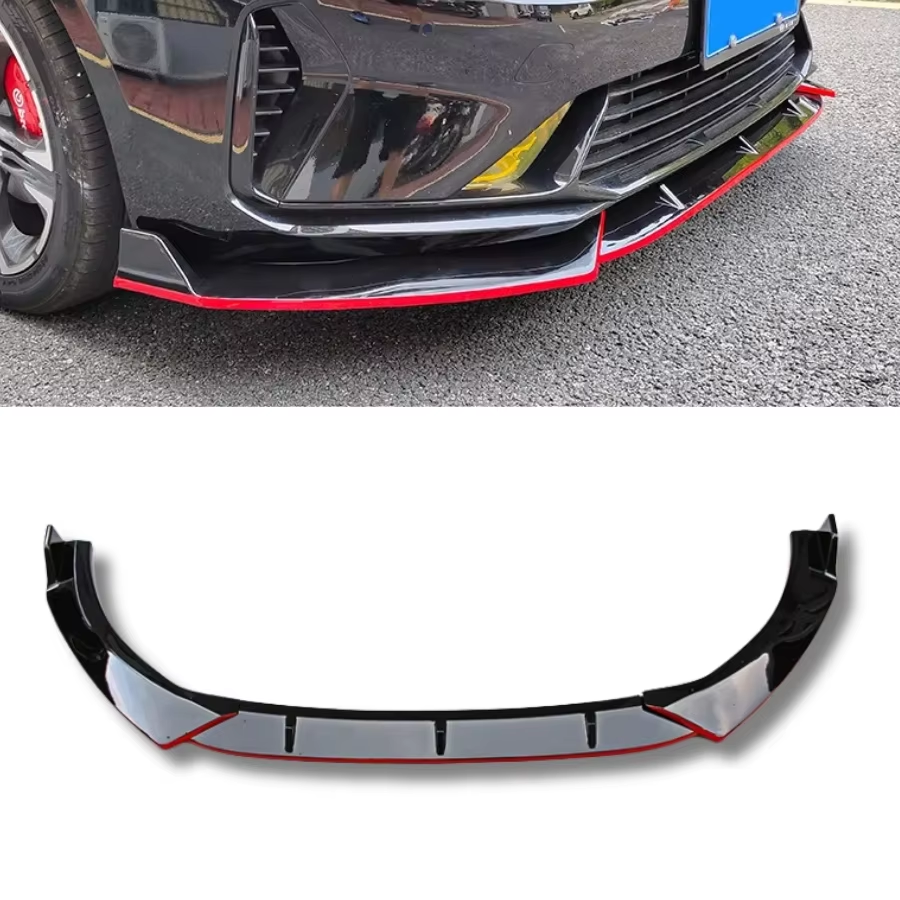
Carbon Fiber and Fiberglass: Navigating Premium Positioning Without Margin or Logistics Pitfalls
For retailers targeting performance-oriented or luxury segments, carbon fiber and fiberglass present both opportunities and challenges. Real carbon fiber offers an unmatched stiffness-to-weight ratio, which appeals to buyers seeking weight reduction and track-focused performance. However, these benefits come with significant trade-offs. Prepreg carbon fiber parts are brittle, requiring specialized packaging to prevent shipping damage. They wholesale at roughly triple the price of cosmetic alternatives, and from a regulatory standpoint, structural carbon fiber components often demand rigorous fitment validation and safety certification to meet OEM standards.
In contrast, CF-lookalikes—typically fiberglass or ABS substrates with a printed or molded carbon weave—deliver nearly identical visual appeal with significantly greater impact resistance and far simpler logistics. These non-structural alternatives face minimal compliance barriers and are far less prone to shipping damage. While real carbon commands premium margins in niche channels, CF-lookalikes drive higher inventory turnover and more predictable fulfillment. A balanced product mix that offers both options across distinct SKUs allows retailers to capture margin upside from premium buyers while maintaining volume efficiency and operational simplicity in their core product lines.
Fiberglass, often used as the substrate for carbon-look finishes, offers moderate durability but is prone to gel-coat cracks under impact. It requires extensive surface preparation before painting and carries a higher risk of fitment complaints compared to PU or ABS. Retailers considering fiberglass should carefully weigh its lower material cost against the higher likelihood of returns and customer dissatisfaction.
A Material Selection Framework Aligned with B2B Retail KPIs
For bulk orders of auto front lip components, a retailer's profitability hinges on more than unit price. It demands a structured evaluation of how each material performs against key business metrics, including return rates, shipping damage, customer satisfaction, and margin stability.
Polyurethane delivers the best balance for retailers prioritizing return-rate control and OEM-level fit. Its low return rate risk and very low shipping damage risk make it the default choice for high-volume, quality-sensitive operations. The moderate cost per unit is offset by exceptional urban durability and paint adhesion, contributing to repeat B2B orders and strong customer loyalty.
ABS plastic, with its low cost per unit and excellent dimensional stability, is the ideal choice for mass-market SKUs where price sensitivity is high. Its moderate return rate risk is acceptable in segments where customers prioritize affordability over premium finish. ABS's paint readiness and scalability make it a reliable workhorse for high-turnover inventory.
Real carbon fiber, while offering very high strength, comes with very high cost, limited OEM compatibility, and high shipping damage risk. It is best reserved for niche performance channels where customers understand and accept the trade-offs. Fiberglass CF-lookalikes sit in the middle, with moderate cost but high return rate and shipping damage risks, making them a less reliable choice for broad distribution.
The most successful sourcing strategies do not treat material selection as a one-time decision but as an iterative process. Retailers should pilot small batches, track warranty claims, and adjust the mix based on post-shipment data. By mapping each material's field performance to the KPIs that drive retail margins, retailers can transform a technical specification into a reliable competitive advantage.
Practical Recommendations for Retailers
For retailers establishing or optimizing their auto front lip product lines, a systematic approach is essential. Start by defining your target market position. Are you serving cost-conscious mass-market customers, quality-focused mid-tier buyers, or performance-oriented enthusiasts? This positioning will determine your primary material choice.
For mass-market operations, ABS offers the best cost-to-performance ratio. Invest in multi-cavity tooling, negotiate long-term resin supply contracts, and explore certified recycled ABS to reduce costs. For mid-tier and quality-focused lines, PU is the preferred choice. Its durability and paint adhesion reduce returns and enhance customer satisfaction. For premium and performance lines, consider offering real carbon fiber as a high-margin option, but balance it with CF-lookalike SKUs to capture volume buyers who want the aesthetic without the price premium.
Regardless of your material choice, prioritize supplier qualification and quality verification. Request independent test data for paint adhesion, impact resistance, and UV stability. Conduct pilot installations and gather feedback before committing to large orders. Finally, track post-sale performance metrics diligently, using return rate data to refine your material mix over time.
Conclusion: Material Choice Is a Strategic Decision
The material used in an auto front lip is not merely a manufacturing detail—it is a strategic decision that influences every aspect of a retailer's business, from supply chain costs to customer satisfaction and brand reputation. Polyurethane stands as the benchmark for quality and durability, offering the lowest return rates and strongest OEM compatibility. ABS delivers unmatched cost efficiency and scalability for mass-market operations. Carbon fiber and fiberglass serve niche segments, each with distinct trade-offs that must be carefully managed. By aligning material selection with business KPIs and market positioning, retailers can build product lines that not only meet customer expectations but also drive sustainable profitability and long-term growth.
