
 EN
EN
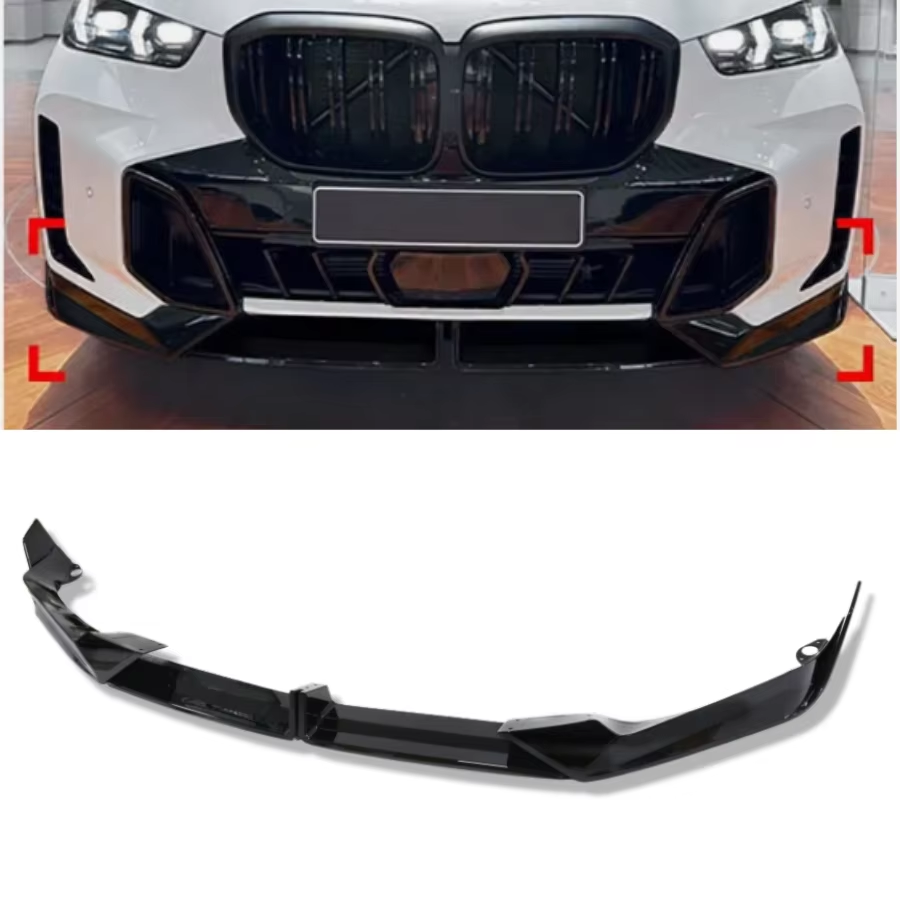
Model-Specific Fitment: Ensuring Precision for Sedan and SUV Auto Front Lip Installations
For automotive enthusiasts and aftermarket retailers alike, the installation of an auto front lip represents one of the most visible and impactful exterior modifications a vehicle can receive. A properly fitted front lip enhances aerodynamics, sharpens the visual stance, and communicates a sense of purpose and style. Yet the gap between an impressive transformation and a disappointing installation often comes down to a single factor: fitment precision. A front lip that does not align perfectly with the vehicle's bumper creates unsightly gaps, compromises aerodynamic function, and detracts from the very appearance it was meant to enhance. This guide explores the engineering, materials, installation methods, and maintenance practices that ensure model-specific precision for sedan and SUV front lip applications.
OEM vs. Aftermarket Engineering: How CAD-Driven Design Guarantees Gap-Free Fitment
Achieving a truly gap-free fit for an auto front lip requires engineering that mirrors the original vehicle's body lines with exceptional accuracy. Original equipment manufacturer parts are developed from the same digital master model as the bumper itself, ensuring factory-level precision that leaves no room for interpretation. In contrast, many aftermarket products rely on reverse-engineering, a process that can introduce dimensional variances due to measurement tolerances, wear in the scanned part, or approximations made during model reconstruction.
The most reliable approach uses CAD-driven design, where the front lip is sculpted directly onto a validated three-dimensional model of the vehicle's bumper. This digital-first methodology eliminates manual guesswork and enables engineers to define mounting clearances as tight as 1.5 millimeters. By simulating stresses and deformation digitally, manufacturers can optimize curvature and mounting-point geometry before any physical material is cut. This approach prevents the unsightly gaps that are all too common with generic or poorly engineered parts. The digital process ensures that each front lip conforms precisely to the contours of its target sedan or SUV, even across model-year variations where subtle bumper changes may occur.
Real-World Validation: From 3D Scanning to Track-Tested Mounting Rigidity
Digital precision, however sophisticated, must be confirmed through physical validation. High-resolution three-dimensional scanning of a production-spec test vehicle captures subtle surface nuances in the bumper that might not be fully represented in the master CAD model. This scan data is then overlaid onto the design model to detect and correct even microscopic deviations before tooling begins. Prototypes undergo iterative physical fit checks, with each iteration refining the fitment until the part seats perfectly against the bumper contours.
The validation process extends far beyond static fitment. Prototypes progress to track validation, where accelerometers and strain gauges measure real-time flex, vibration, and fastener integrity at highway speeds and during aggressive cornering. This dynamic testing ensures that the front lip maintains its structural integrity under aerodynamic load, does not resonate at certain speeds, and remains securely fastened even during hard braking and spirited driving. This end-to-end validation—from high-resolution scanning to stress testing on the track—ensures that the final part not only aligns flawlessly during installation but also maintains rigidity and reliability under real-world driving conditions.
Material Selection and Paint-Ready Customization for Auto Front Lip
The choice of material for a custom front lip directly determines its durability, weight, paint-readiness, and overall performance characteristics. Each available material presents distinct advantages and trade-offs that must be carefully evaluated against the intended use and finish goals.
Thermoplastic polyurethane offers exceptional impact resilience. Its elastomeric nature allows it to flex over curbs and absorb impacts from road debris without cracking or fracturing. This makes it an excellent choice for daily-driven vehicles where minor bumps and scrapes are inevitable. However, PU's low-surface-energy finish demands thorough sanding and a dedicated adhesion promoter for reliable paint bonding. Without proper surface preparation, paint adhesion can be compromised, leading to peeling or flaking over time.
Acrylonitrile butadiene styrene provides a smoother as-molded surface that requires only light sanding and standard primer before painting. This makes ABS a more straightforward option for paint-ready customization, particularly for mass-market applications where production efficiency is a priority. The material is more brittle under sharp impact compared to PU, so it may not be the best choice for vehicles that frequently encounter steep driveways or high curbs.
Fiberglass delivers high rigidity and heat resistance, making it ideal for show applications where a flawless, mirror-like finish is desired. However, fiberglass adds significant mass compared to other options and requires professional-grade surface preparation. Progressive grit sequences from 180 to 400 are necessary to eliminate pinholes and ensure a pore-free base before painting. This labor-intensive process contributes to higher installation costs and longer lead times.
Carbon fiber composite offers the best strength-to-weight ratio of any material and carries a premium visual aesthetic that appeals to performance-oriented buyers. Custom color application on carbon fiber typically requires either a UV-stable clear gel coat or careful wet-sanding of the factory clear layer to accept tinted base coats without obscuring the weave. While carbon fiber commands the highest price point, its visual impact and weight savings make it a compelling choice for enthusiasts who demand the best.
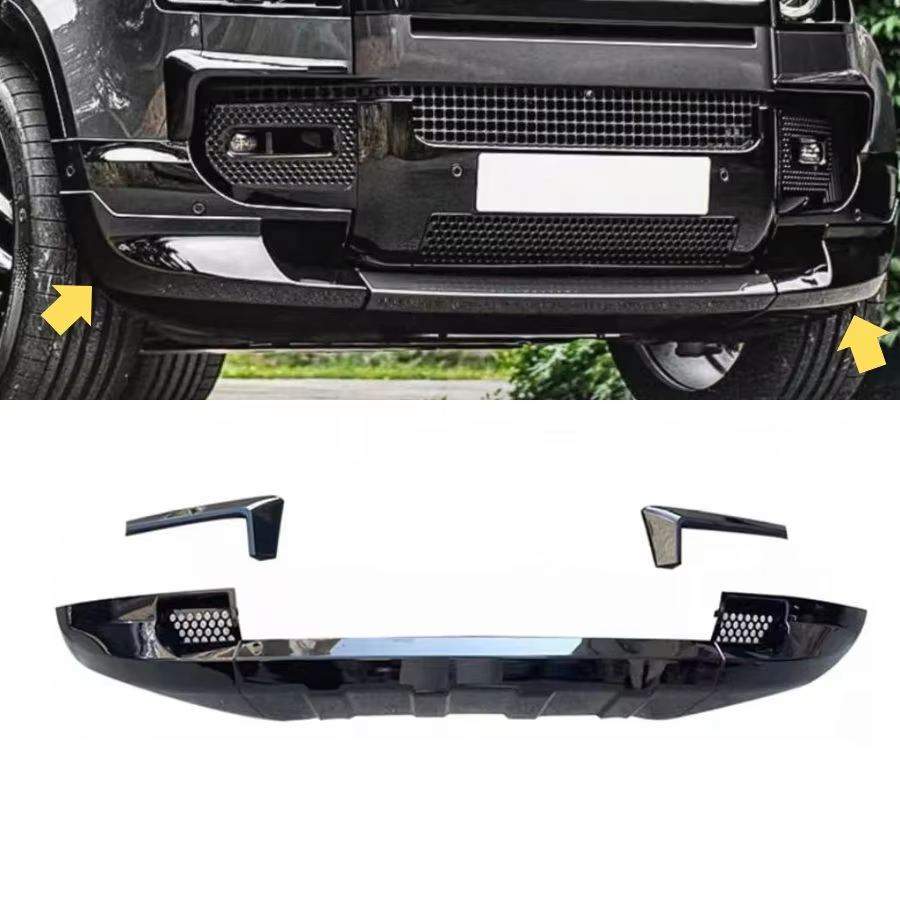
Custom Color Integration: OEM-Matched Base and Clear Coats with UV-Stable Pigments
Factory-grade color matching is not merely about selecting the correct hue; it requires replicating the entire OEM paint system, including chemistry and application methodology. Professional shops use the vehicle's official paint code to formulate a base coat with exact pigment ratios, followed by a chemically compatible urethane or acrylic clear coat that bonds molecularly to the base. This two-stage system enables depth-enhancing metallic flakes, available in fine or coarse grades per OEM specification, and provides long-term gloss retention that maintains the showroom appearance for years.
UV-stable organic and inorganic pigments are non-negotiable for any custom front lip that will see sunlight. Without them, reds, yellows, and metallics degrade visibly within two years of sun exposure, fading to dull, lifeless shades that detract from the vehicle's appearance. High-solids clear coats infused with UV absorbers and hindered amine light stabilizers further extend fade resistance and prevent chalking, a common issue with lower-quality finishes.
For subtle customization—such as a darker tone or a tinted clear over carbon fiber—pigment-infused clears and pearl topcoats deliver bespoke results without compromising durability. Crucially, all painting should occur after a full test-fit on the vehicle. This protects the finished surface from handling damage during the prep and fitting process, ensuring that the final paint job is pristine and free from scratches or abrasions.
Scalable Sizing and Modular Architecture for Multi-Platform Production
A modular architecture solves the challenge of scaling front lip designs across diverse vehicle platforms—from compact sedans to full-size SUVs—without sacrificing precision or increasing costs disproportionately. This approach uses a shared core geometry while adapting wing profiles and mounting interfaces to match specific bumper contours, body widths, and ride heights.
Over 65% of global automotive production now leverages modular platforms, and the same principle applies effectively to bolt-on aerodynamic components. The result is a cohesive product family with consistent styling language and performance standards, whether installed on a low-slung coupe or a high-clearance crossover. This flexibility stems from interchangeable, model-specific tooling inserts within a standardized master mold. Rather than commissioning entirely new molds for each vehicle variant, manufacturers reconfigure existing tooling, reducing capital expenditure and accelerating time-to-market for new model-year releases.
A single production cell can switch between manufacturing a mid-size sedan lip in the morning and a wide-body SUV component in the afternoon, enabling responsive, demand-aligned output while preserving dimensional accuracy. This manufacturing agility allows retailers to maintain a broader product offering with lower inventory risk and faster response to market trends.
Installation, Maintenance, and Long-Term Durability
The mounting method chosen for a front lip significantly impacts its long-term value and the integrity of the vehicle itself. Bolt-on systems, which use corrosion-resistant grade-8 hardware, enable precise alignment, easy servicing, and full reversibility. This reversibility protects the factory bumper's structural integrity and finish, a key consideration for resale value. When a bolt-on front lip is removed, the bumper remains undamaged and unmodified, which appeals to buyers seeking unmodified vehicles.
Bonded mounting, while offering a seamless aesthetic that eliminates visible fasteners, often compromises the OEM bumper upon removal. Adhesive residue, substrate damage, or delamination can result, deterring potential buyers and reducing resale value. For this reason, bolt-on systems are generally recommended for most applications.
Before any permanent installation, a full dry-fit should be conducted. For bolt-on kits, this means verifying hole placement with pilot drills and checking gap uniformity across the entire bumper interface. If unfamiliar with suspension geometry or bumper reinforcement points, professional installation is strongly advised, as fitment quality defines both appearance and longevity.
Cleaning, UV Protection, and Scratch Mitigation for Custom-Colored Front Lips
Preserving a custom-colored front lip demands proactive, gentle maintenance. Road debris, UV exposure, and environmental contaminants are its primary threats, and a disciplined cleaning routine is essential for long-term durability. Washing weekly with pH-neutral soap and a clean microfiber cloth removes abrasive dirt before it can scratch the surface. Bug splatter and bird droppings should be removed immediately, as their acidity can etch clear coats within hours of contact.
Applying a ceramic coating or paint protection film forms a sacrificial barrier against UV degradation, light abrasion, and chemical exposure. Professional-grade ceramic coatings enhance gloss, improve hydrophobicity, and simplify cleaning, making them a worthwhile investment for any custom-painted component. To prevent scratches, avoid tight parking near high curbs and never use abrasive pads or automated car washes, which can inflict swirl marks and deeper scratches on the finish. This disciplined regimen safeguards complex finishes—including metallic flakes and custom tints—for lasting vibrancy and resale appeal.
Conclusion: Precision Is the Foundation of Quality
Model-specific fitment is not a luxury reserved for high-end builds; it is the foundation upon which every successful front lip installation is built. From CAD-driven design and real-world validation to material selection, custom color integration, and careful installation, every step in the process must prioritize precision. For retailers and distributors, offering products that guarantee gap-free fitment and long-term durability builds customer trust, reduces returns, and strengthens brand reputation. For enthusiasts, investing in a front lip engineered to their specific vehicle ensures not only a stunning visual transformation but also lasting satisfaction every time they glance at their car.
