
 EN

Why Are Facelift Upgrade Auto Body Kits in High Demand for Older Luxury Vehicles?
For an owner who enjoys an older luxury vehicle but wants a fresher exterior, replacing the entire car is not the only option. Facelift upgrades change selected visible panels and trim while retaining the underlying vehicle. That distinction helps explain the interest in Auto Body Kits: the buyer can pursue a newer appearance without assuming that the car itself becomes a newer model.
The appeal is practical as well as visual. Owners may be planning paintwork after ordinary wear, while workshops and distributors see an opportunity to offer a coordinated exterior package. Yet a polished photograph cannot show whether the mounting points, sensors or lamps will work on a particular car. A sound buying decision starts with those details, not the picture.
What is driving interest in facelift upgrades?
An older luxury car may still suit its owner in comfort, size and driving character. A revised grille, bumper cover or rear treatment offers a way to change its visual character without changing ownership. The motivation can be personal rather than financial: some owners simply prefer the look of a later design, while others want to refresh worn exterior components during a planned repair.
There is a wider ownership context, though it should not be mistaken for a measurement of this niche. S&P Global Mobility reported that the average age of U.S. light vehicles reached 12.8 years in 2025. That figure covers the whole fleet, not luxury vehicles or retrofit sales, and does not establish how many owners buy Auto Body Kits. It does show why products aimed at vehicles already on the road deserve attention.
For a shop, an integrated proposal can also be easier to discuss than several unrelated styling pieces. The buyer sees the intended front and rear appearance together, while the installer can identify dependencies before the car is dismantled. Whether that package is attractive still depends on labor, paint, transport and the actual condition of the vehicle.
What does a facelift kit actually change?
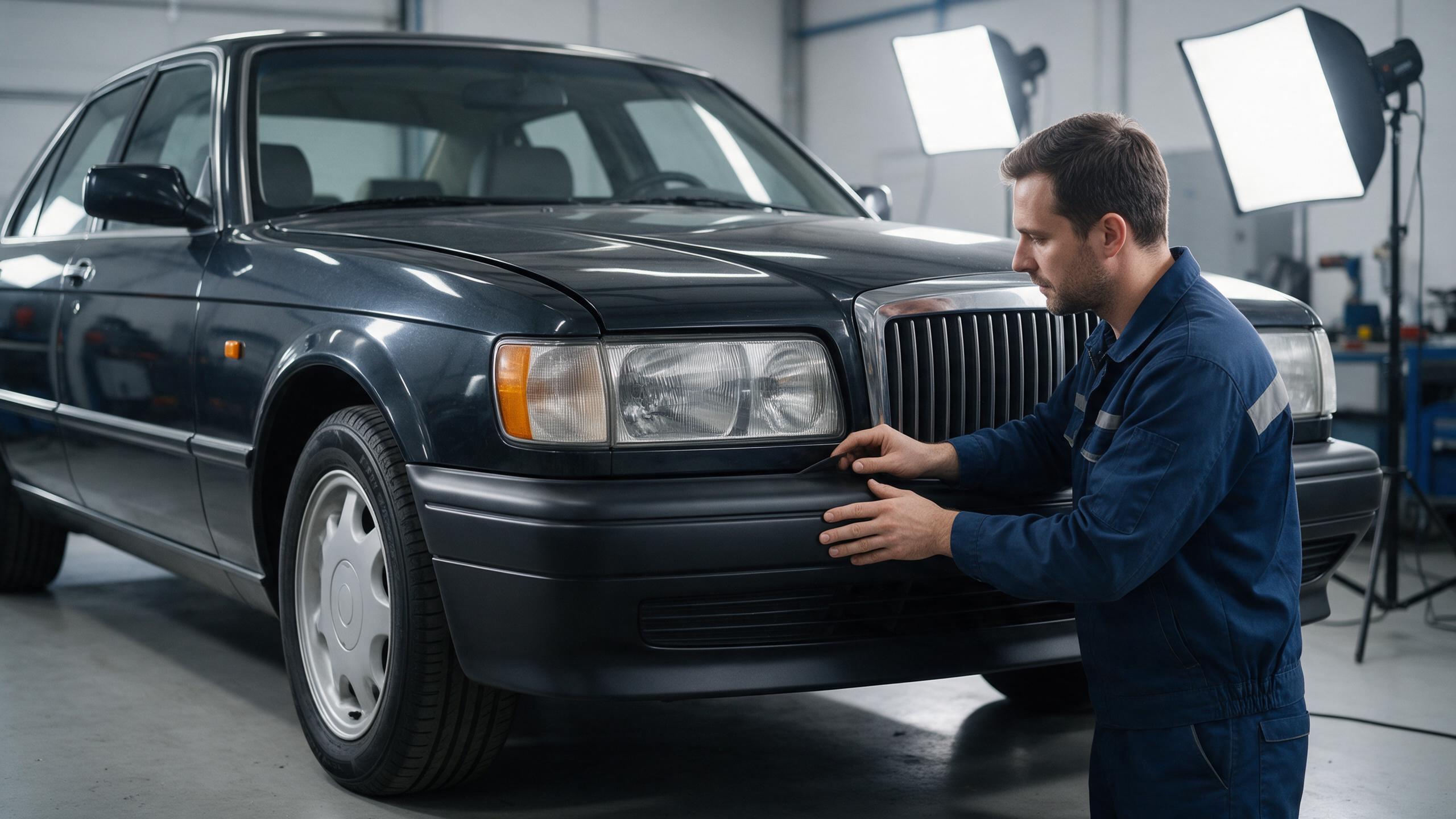
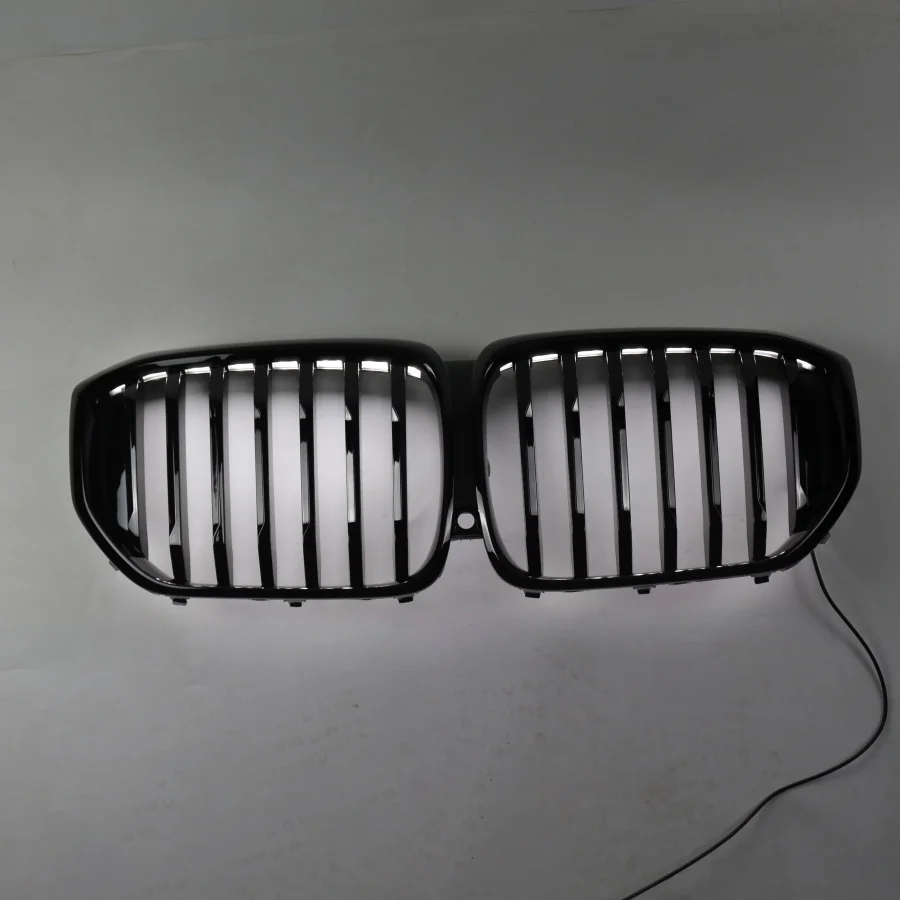
Facelift Upgrade Auto Body Kits can include a front bumper cover, grille, rear bumper cover, side skirts or trim pieces. Some projects also need lamps, brackets, liners or other hardware, but inclusion varies by package. A supplier's parts list matters more than the word “complete.” Ask whether each visible component, mounting bracket and small fastener is supplied, reused or purchased separately.
These are exterior changes, not a conversion of the vehicle's mechanical systems or identity. A newer-looking bumper does not automatically add the lighting technology, driver-assistance features or crash performance of the later vehicle it resembles. A Luxury Car Exterior Retrofit Kit should therefore be described by its actual components and the original vehicle applications it supports.
Why compatibility is the make-or-break question
Auto Body Kits are often advertised by model name and year, but that is only a starting point. Body style, production date, market, trim level and previous repairs can change the mounting arrangement. A sedan and a long-wheelbase variant, for example, should not be assumed to share every exterior panel. Ask the seller to confirm the source vehicle specification against the exact kit rather than relying on a general model label.
Check the physical interfaces first
Request clear photos of the kit's attachment points and an itemized fitting guide. Compare the bumper edges with the fenders, hood, wheel liners and undertray; inspect grille openings and lamp shapes as well. Dry-fit unpainted components before final finishing where the supplier and installer permit it. This exposes alignment or hardware questions while adjustments are still easier to discuss.
Material is another practical consideration. A seller may offer molded plastic or composite panels, but material names alone do not establish fit or finish. Ask about surface preparation, paint compatibility, repair procedures and packaging. An installer should assess the actual part rather than promise that every kit will need the same preparation.
Protect lighting and driver-assistance functions
Parking sensors, cameras, radar units, headlamp washers and air inlets may sit in or behind the panels being changed. Their mounting position and surrounding materials can matter. Before ordering Auto Body Kits, document the vehicle's existing equipment and ask the installer to check the vehicle manufacturer's repair instructions for sensor handling, aiming and any calibration that the particular work requires.
Do not cover a sensor, move a bracket or modify a structural bumper component just to make an exterior panel fit. A qualified repair professional can identify what work is appropriate and whether further checks are needed. Requirements vary by vehicle and repair, so a blanket statement about whether calibration is required would be misleading.
How do costs compare with replacing the vehicle?
The purchase price of Auto Body Kits is only one line in a project estimate. Add freight and inspection, preparation, paint matching, installation, possible brackets or lamps, and any vehicle-specific checks. If a part arrives damaged or does not align, the commercial agreement should say who handles the issue and what evidence is needed. Keep a contingency for work discovered after removal of the original panels.
A retrofit may cost less upfront than changing vehicles, but that is not a universal saving. Compare a written installed quote with the owner's actual alternatives, including keeping the car unchanged. Resale value is also uncertain: future buyers may prefer the original appearance, question the work or value the modification differently. Retaining records and, where feasible, original parts can help explain what was changed.
What should distributors and workshops request before ordering?
For wholesale buyers, Auto Body Kits are not interchangeable stock just because two boxes show a similar front end. A useful inquiry groups the target applications and records the information needed to check each one. Start with a sample or an agreed fitment review before committing to a larger quantity, and confirm how changes to a part or packing list will be communicated.
- Vehicle details: make, model, body style, model year, production date, market, trim and relevant original equipment.
- Kit scope: part-by-part list, material, finish, hardware, packaging and any components that must be reused or sourced separately.
- Fitment evidence: mounting photographs, dimensions where available, installation guidance and known application exclusions.
- Electrical and safety items: sensor openings, brackets, lamps and vehicle-specific inspection or calibration requirements.
- Commercial terms: sample procedure, shipping protection, lead time, defect reporting and return arrangements agreed with the supplier.
Keep those details with the SKU and update them when the supplier confirms a change. For an online listing, separate confirmed applications from vehicles still awaiting verification. That extra distinction reduces the chance that a customer reads a styling reference as a fitment promise.
When is a facelift upgrade a sensible choice?
Facelift Upgrade Auto Body Kits are worth considering when the owner wants a different appearance, the vehicle is in suitable condition, and a qualified installer can verify fit before finishing. They are less compelling when compatibility is uncertain, the estimate omits essential parts, or the proposed work interferes with original equipment. A conservative decision is to pause until the missing information is available.
For wholesalers, the opportunity lies in giving buyers a clear route from vehicle identification to an installed project—not in promising a universal fit. Compare Auto Body Kits on application evidence and the full parts list, then confirm the work and commercial terms with the supplier and installer. A refreshed exterior is a design choice; a well-documented fitment process is what makes that choice easier to evaluate.
 Hot News




