
 EN

Which CNC Aluminum Motorcycle Accessories Offer the Highest Profit Margins for Retailers?
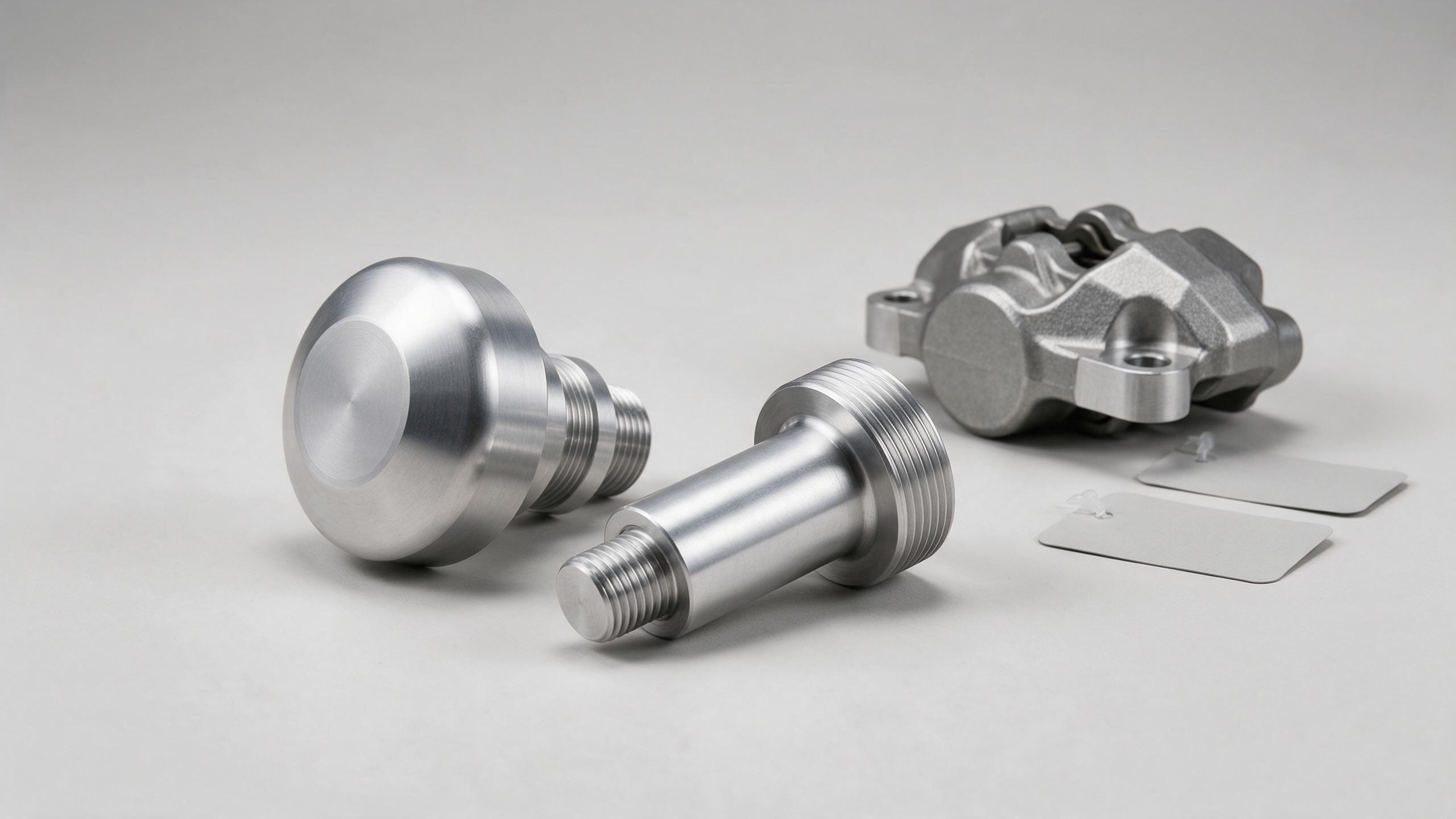
A polished part and an attractive retail price do not tell you which motorcycle accessories will produce the highest margin in your shop. The answer depends on your supplier quote, actual selling price, freight allocation, channel fees and return experience. Without those figures, no product category can be named the margin leader with confidence. For a retailer comparing CNC aluminum motorcycle accessories, a useful starting shortlist is decorative caps, bar-end pieces, foot pegs and model-specific lever sets. These are candidates to investigate, not verified rankings or products confirmed in the supplier's catalog.
Think like a buyer rather than a showroom visitor: compare the money left per unit, the information needed to sell it, and the capital tied up in variants. A compact item with a modest selling price can perform differently from a higher-priced control part once handling and fitment questions enter the calculation.
Start with gross margin, then estimate contribution
Gross margin is the selling price less the cost of goods sold, divided by the selling price. Markup instead divides gross profit by cost. They answer different questions, so do not compare a supplier's markup figure with your own margin target. Use the same accounting treatment for every item, and agree with your accountant which purchase and inbound costs belong in your inventory cost.
For an illustrative calculation only, suppose a piece sells for $40 and its recorded cost of goods sold is $20. Gross profit is $20 and gross margin is 50%; markup on that cost is 100 percent. If the sale also has $4 in marketplace and payment fees and $3 in outbound shipping paid by the retailer, contribution before other expenses is $13, or 32.5% of sales. These figures are invented solely to explain the arithmetic, not a quote, market benchmark or promised outcome.
For motorcycle accessories, calculate contribution separately from gross margin. Add expected discounts, packaging, payment fees, shipping support and expected return handling without counting the same expense twice. Taxes, fixed overhead and financing are not included in that example. A high gross margin can still leave less cash than expected after the channel costs are included.
Compare four accessory groups on the same terms
Decorative caps and trim pieces
These can be a starting point when appearance and color are central to a buyer's choice. Their simple presentation may suit a display or an online photograph, but small size does not prove a high margin. Check threading, dimensions, finish options and the contents of each pack. A low selling price can make a fixed per-order charge significant; compare single-unit sales with an explicitly priced multi-piece pack.
Bar-end pieces
Bar-end motorcycle accessories can appeal to riders looking for a visible change at the handlebar. Ask for fitting dimensions, fastening method and clear photographs of the included hardware. Some arrangements depend on the handlebar and existing components, so avoid calling a part universal without evidence. Before ordering many colors, calculate the cost of each variant and estimate whether its sales justify the extra inventory.
Foot pegs
Foot pegs may support a higher ticket than a small trim piece, but the retail decision also depends on vehicle fit, mount geometry, hardware and intended use. Ask whether the offer is for a pair or a single item, and obtain written specifications before listing it. More complex selection can mean more pre-sale questions. Model the cost of answering those questions as well as the potential sales value.
Brake and clutch lever sets
Control-related motorcycle accessories deserve extra care. A lever set may have a different price and a narrower application list than decorative parts; neither fact establishes its margin. Verify make, model, year, perch and pivot against the supplier's documented fitment. Installation and operation affect vehicle control, so follow the vehicle and part instructions and use a qualified installer when needed. Do not infer safety performance from appearance, material or machining alone.
Use landed cost and stock exposure to rank candidates
Request a quote for each SKU and include order quantity, currency, freight terms and packaging. Allocate inbound freight and any applicable duties consistently. Record selling price by channel after ordinary discounts, then subtract the relevant variable selling costs. This gives a comparable contribution per unit; divide it by the actual selling price to compare contribution rates.
Now consider how long inventory may sit. A color range can make anodized billet bike parts easier to present as a collection, yet each combination of color and fitment also creates a separate stock decision. Estimate demand from your own sales history rather than assuming that every color sells equally. Where history is thin, start with a small test order if the supplier's terms allow it. A lower margin rate with faster turnover may be more useful than a higher rate attached to stock that does not move.
Keep a separate line for returns. For CNC aluminum motorcycle accessories, an unclear dimension or missing fitting detail can lead to questions after purchase. Estimate return-related costs from your own records where available; otherwise mark the amount as unknown and test different assumptions. Do not treat an unmeasured return rate as zero.
Build a listing that supports the calculation
A profitable quote is only part of the job. Your product record should state the item count, dimensions, mounting method, included hardware, finish and documented fitment. Use photos from an authorized source and show the item and fittings clearly. For model-specific motorcycle accessories, identify the source and date of the compatibility information, and update the listing when the supplier changes it.
For anodized billet bike parts, request written details of the material and surface finish rather than assuming all finishes behave alike. Ask what cleaning and installation guidance can be shared with customers. Avoid assigning a service life, test result or certification unless the seller can substantiate it. The goal is a listing that answers purchase questions without promising more than the available evidence supports.
A practical first-order checklist
- List candidate motorcycle accessories and request a SKU-level price at your intended order quantity.
- Confirm what is included, its dimensions, fitting method and documented vehicle applications.
- Calculate gross margin using the same cost basis for each item; then calculate contribution after channel-specific variable costs.
- Check stock exposure across fitment and color variants, using your own sales data where possible.
- Review sample quality and documentation, then monitor actual sales, returns and contribution before reordering.
The strongest candidate is the one that meets your shop's contribution and turnover requirements after fitment and selling costs are considered. Compare decorative items, bar-end pieces, pegs and control sets using your own numbers; the ranking may change by channel, quantity and customer base. For a wholesale inquiry, prepare the vehicle details, installation position, dimensions and target quantity so the supplier can confirm what is available before you commit.
 Hot News




