EN

When Should a Melted or Distorted Wheel Nut Indicator Be Replaced After Hub Bearing Maintenance?
After hub bearing maintenance, a Wheel Nut Indicator deserves a careful look before the vehicle returns to service. A pointer that is melted, softened, cracked, warped, discoloured, or unable to sit securely on the nut has lost its value as a clear visual reference. Replacement is usually appropriate, but it should come after the wheel-end condition and the approved fastening procedure have been checked. The indicator can help a crew notice a change; it cannot confirm clamp load or diagnose the reason for heat.
This distinction matters most after work around a hub, bearing, brake, or wheel. A Heat-Sensitive Wheel Nut Indicator may deform because it has experienced abnormal heat, but deformation alone does not identify whether the cause is bearing condition, brake drag, lubrication, installation error, or another wheel-end issue. Treat it as a prompt to inspect, not as a repair verdict.
Replace the Wheel Nut Indicator when its reference shape is no longer trustworthy
A Wheel Nut Indicator works only when its starting position is easy to recognize. Following hub bearing maintenance, replace the indicator if any of these conditions apply:
- The pointer or cap has melted, slumped, twisted, or visibly changed shape.
- The material is cracked, brittle, split, or missing a section.
- It no longer grips the correct nut size firmly, sits at an angle, or can be moved by hand after fitting.
- Its colour, profile, or alignment is too unclear to compare with adjacent indicators during a walk-around.
- It was removed or disturbed during service and the supplier’s instructions do not support reuse.
There is a simple practical test: if a technician cannot establish a clear baseline pattern after the wheel has been assembled and fastened by the approved procedure, the Wheel Nut Indicator should be replaced. Reusing a distorted piece simply preserves uncertainty. A Hub Overheating Safety Check Pointer is useful only when it remains legible and securely seated.
Do not replace the pointer and ignore the heat event
A distorted Heat-Sensitive Wheel Nut Indicator should trigger a wheel-end review before a new one is installed. The inspection scope should follow the vehicle, axle, bearing, brake, and fastener manufacturers’ instructions. The priority is to establish that the maintenance work is complete and that no condition remains that could create heat or allow wheel-nut movement.
Start with the recorded maintenance work. Confirm the applicable tightening sequence and torque procedure were followed with the specified tools and conditions. Check that the correct wheel, nut, stud, and seating arrangement are present and that thread engagement and contact surfaces have been assessed as required. A Wheel Nut Indicator is an observation aid; it is not a substitute for a calibrated fastening process.
Next, inspect the wheel end for signs that require further investigation under the approved service process. Depending on the vehicle and the work performed, these can include abnormal heat history, unusual noise, vibration, drag, looseness, leakage, or damaged parts. Do not infer a universal temperature limit from the appearance of one indicator. The material and response of a Heat-Sensitive Wheel Nut Indicator can vary by design, so the relevant product instructions and vehicle procedure control.
A post-maintenance sequence that keeps the check meaningful
- Complete the mechanical work first. Finish bearing, hub, brake, and wheel installation according to the applicable service documentation. Resolve any concern found during assembly before fitting visual indicators.
- Establish the fastener condition. Use the approved torque specification, sequence, and recheck requirements for the exact vehicle configuration. A Wheel Nut Indicator should be added only after this step, not used to stand in for it.
- Fit matching indicators correctly. Confirm the nut-size compatibility and press each indicator fully home. Arrange pointers in the chosen reference pattern so later movement is easy to spot. If the fit is uncertain, do not assume the part is suitable.
- Record the baseline. A photo, inspection record, or fleet checklist can show the intended pointer orientation and make later comparisons more consistent. This is particularly useful for a Hub Overheating Safety Check Pointer on vehicles receiving repeat checks.
- Perform the specified follow-up inspection. Follow the operator’s or workshop’s documented return-to-service, bedding, and reinspection schedule. Any pointer movement, deformation, or wheel-end symptom calls for evaluation under the approved procedure.
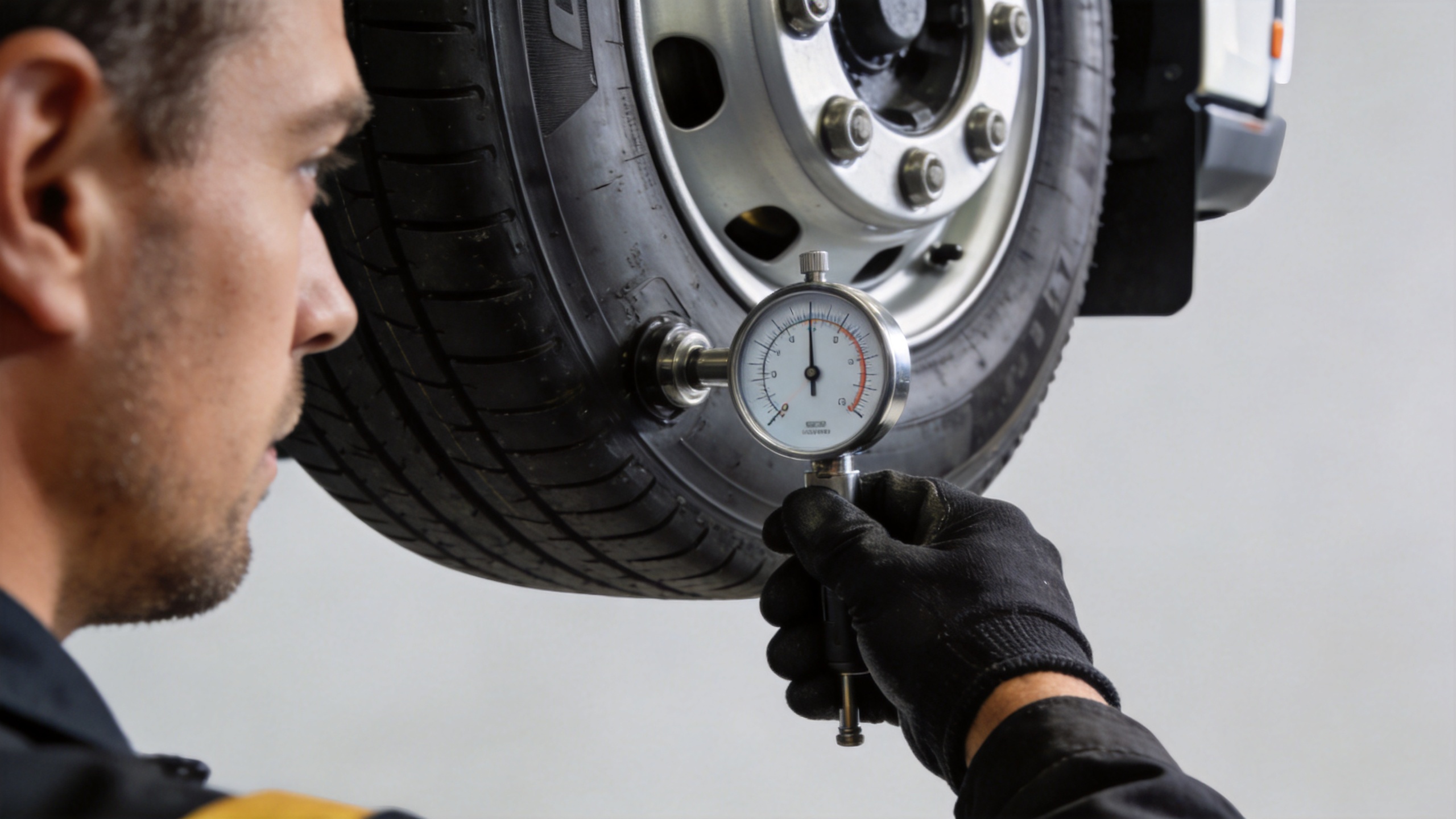
What a melted or distorted indicator may be telling you
The useful conclusion is not “the bearing has failed” or “the wheel is safe.” It is that the visual aid may no longer provide a dependable reference and that the wheel end merits attention. A Wheel Nut Indicator can show a changed alignment pattern. A Heat-Sensitive Wheel Nut Indicator can provide a visible clue that heat should be considered. Neither device measures bearing clearance, confirms brake condition, or verifies final torque.
For this reason, replacement normally belongs at the end of the corrective process: inspect the cause, complete the manufacturer-approved repair or service actions, confirm the fastening procedure, then fit a new compatible indicator. If the wheel remains unusually hot, noisy, loose, or otherwise abnormal after maintenance, keep the vehicle out of service as required by the responsible maintenance procedure and seek qualified technical assessment.
Replacement checklist for fleets, workshops, and distributors
For routine stock and inspection planning, make the request specific. Identify the nut size, wheel-end application, intended reference pattern, and whether a Hub Overheating Safety Check Pointer is required. Buyers should also confirm material guidance, installation instructions, packaging quantity, and any product-specific temperature-response information directly with the supplier. These details should not be inferred from photos or from a general description.
For a maintenance team, the key rule is straightforward: replace a Wheel Nut Indicator when damage, distortion, poor retention, or an unclear baseline makes visual checking unreliable. Then document the underlying inspection and return-to-service checks separately. That sequence keeps the indicator in its proper role: a visible prompt within a disciplined wheel-end maintenance process.
Frequently asked questions
Can I reuse a melted Wheel Nut Indicator after the hub has been repaired?
No reliable visual baseline remains once the indicator is melted or distorted. Replace it after the wheel-end concern has been assessed and the approved fastening process has been completed.
Does a deformed Heat-Sensitive Wheel Nut Indicator prove that a bearing is faulty?
No. It is a reason to inspect the wheel end, but it does not identify a single cause. Follow the relevant vehicle and component service instructions.
When should a Hub Overheating Safety Check Pointer be fitted?
Fit it after confirmed wheel assembly and fastening, using the correct size and a clear orientation pattern. It should support scheduled visual checks rather than replace them.


 Hot News