
 EN

What Quality Standards Separate OEM-Grade Motorcycle Accessories from Cheap Imitations?
Two motorcycle accessories can look nearly identical in a catalog and still differ at the mounting point, electrical connector or material specification. For a wholesaler comparing samples, the useful question is not whether motorcycle accessories look premium. It is whether the motorcycle accessories supplier can show what was specified, how it was checked and whether the next batch will match the approved sample.
“OEM-grade” is a marketing description, not a universal certification or proof that a part was made for a vehicle manufacturer. Treat it as a claim to investigate. The following checks help buyers compare motorcycle accessories without assuming that price, appearance or a logo establishes quality.
Start with fit, function and an agreed specification
A meaningful comparison of motorcycle accessories begins with the intended motorcycle, model year, mounting position and use. Ask for a drawing or dimensioned specification that identifies the motorcycle accessories interfaces that matter: hole spacing, thread form, connector shape, clearance and any supplied fasteners. For a replacement lamp, record the intended function and electrical requirements as well. A part can share an outline with another and still be unsuitable at the attachment point.
Agree on measurable acceptance criteria before ordering. A dimension without a tolerance gives little guidance about acceptable variation. Request the nominal dimensions and tolerances relevant to the installation, the inspection method and the revision of the drawing used for the quotation. Do not assume that a listing marked “universal” fits a particular vehicle; check the assembly on the actual model or against reliable vehicle information.
When evaluating OEM-Grade Motorcycle Accessories, an approved reference sample can make conversations more precise. Mark the sample and the associated specification revision, then clarify how deviations will be handled. A sample is useful evidence, but it does not establish that every later shipment will match it.
Materials and construction need supporting evidence
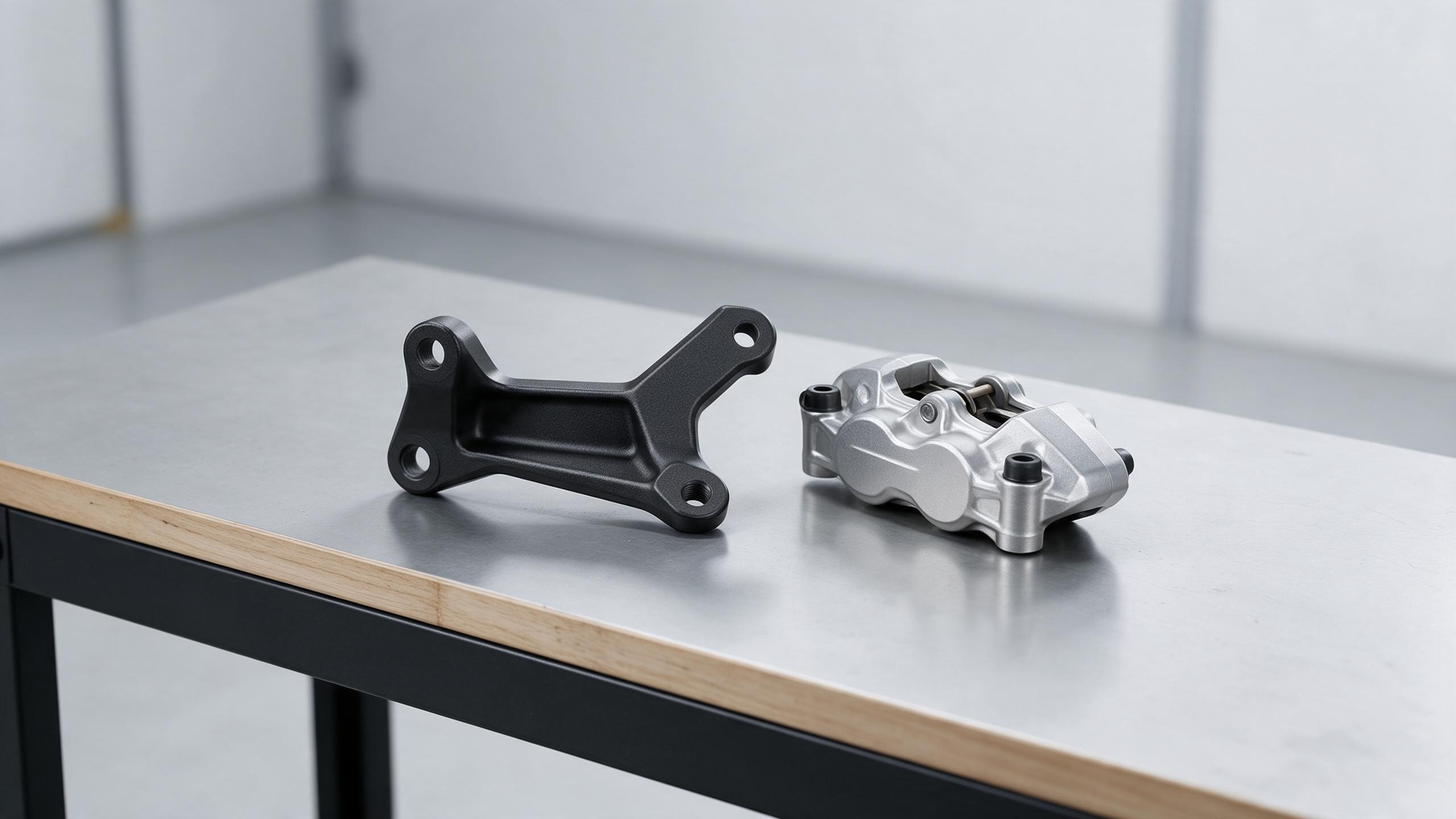
Ask the supplier to identify the material and finish for the motorcycle accessories you are buying. A description such as “metal” or “strong plastic” is not enough to compare two motorcycle accessories. Depending on the item, a material specification, coating description or traceable test report may be relevant. The document should identify the material or component tested and the method used; an unrelated certificate tells you little about the motorcycle accessories shipment.
Inspect surfaces, edges, molded joints and fasteners for visible defects. For mounted motorcycle accessories, examine how loads transfer through the bracket and attachment points. For electrical motorcycle accessories, check the housing, lens, wiring and connector against the drawing and installation instructions. Appearance is an initial screen, not a substitute for a test under agreed conditions.
Environmental exposure also varies. A part near road spray or engine heat may require different evidence from an interior storage item. Request the relevant exposure or durability tests for motorcycle accessories, the conditions applied and the acceptance criteria. Without those details, a statement that motorcycle accessories are weather resistant cannot be compared fairly with another offer.
Distinguish management certification from product approval
ISO 9001 specifies requirements for a quality management system. A motorcycle accessories supplier may hold certification to that standard, but a system certificate does not by itself verify the fit or performance of a specific accessory. Check the certificate holder, scope and current validity with the issuing body, and ask for the inspection and product records that relate to the actual motorcycle accessories.
Road-use rules are a separate question. For example, UN Regulation No. 148 concerns light-signalling devices and includes provisions for functions and approval markings. Whether it applies depends on the destination market, vehicle and lamp function, as well as the applicable version of the rules. A marking alone is not a complete legal assessment: ask for the relevant approval documents and match the model and function to the proposed motorcycle accessories. Confirm local requirements before listing or fitting motorcycle accessories such as a light.
Do not infer approval, certification or original equipment status from a supplier's motorcycle accessories catalog image. If a claim matters to a purchase decision, request the underlying document and verify its scope.
Ask how precision and repeatability are checked
High-Precision Aftermarket Bike Components should be assessed at the interfaces that affect assembly, not by the phrase “precision” alone. Ask which motorcycle accessories dimensions are critical, what instruments are used, how often measurements are taken and how the measuring equipment is controlled. A report should refer to the same part number and drawing revision as the motorcycle accessories sample being reviewed.
For motorcycle accessories ordered in volume, ask how batches are identified and how changes to materials, tools or subcontractors are communicated. Batch identification and retained inspection records can help trace a problem to a motorcycle accessories production lot. Clarify how the supplier handles a failed inspection, including segregation, investigation and authorization of any rework. These are questions to ask, not claims about any particular factory.
Sampling plans also matter. Ask for the sample size, the checks performed and the acceptance rules. A small sample can reveal a problem, but passing it is not proof that every individual part is defect-free. For safety-related or regulated functions, involve a qualified installer or testing specialist when deciding what evidence is appropriate.
Compare delivered value rather than the lowest quote
Price is one input. The comparison is more useful when each quote covers the same motorcycle accessories specification, packaging, inspection requirements and quantity. A lower quote may reflect a different motorcycle accessories finish, missing mounting hardware or a narrower test scope; ask rather than assume. For distributors and retail shops, incomplete fitment information can also create extra questions after the product is listed.
Use a simple purchasing sequence for motorcycle accessories:
- Describe the vehicle, mounting location, intended function and destination market.
- Request the motorcycle accessories drawing, material information, relevant test evidence and any applicable approval documents.
- Compare an identified sample with the agreed dimensions, interfaces and installation instructions.
- Agree on batch identification, inspection records and the process for reporting a discrepancy.
- Confirm packaging, supplied hardware and the documents needed for your own product listing.
Keep an open issue list when evidence is missing. A supplier's willingness to clarify a motorcycle accessories specification is useful, but it is not a substitute for verification. For wholesale enquiries, Yiwu Shengying's site describes automotive and motorcycle accessories and customized parts; the availability, specifications and documentation for any particular item should be confirmed directly before ordering.
Questions buyers commonly ask
Does OEM-grade mean an accessory is an original manufacturer part?
No. The term alone does not establish who designed or manufactured it, or that a vehicle manufacturer has approved it. Ask for specific evidence about fit, manufacturing and any claimed approval.
Can a quality certificate replace a fitment check?
No. A management-system certificate addresses a different question from whether an individual part fits a particular motorcycle. Compare the relevant dimensions and interfaces, and verify the installation of motorcycle accessories for the intended model.
What should a buyer request before a bulk order?
Start with an identified sample of motorcycle accessories, drawing revision, material details and applicable test or approval documents. Then agree how the motorcycle accessories supplier will identify batches, inspect the product and handle discrepancies. The exact evidence should match the part and its intended use.
 Hot News




