
 EN
EN
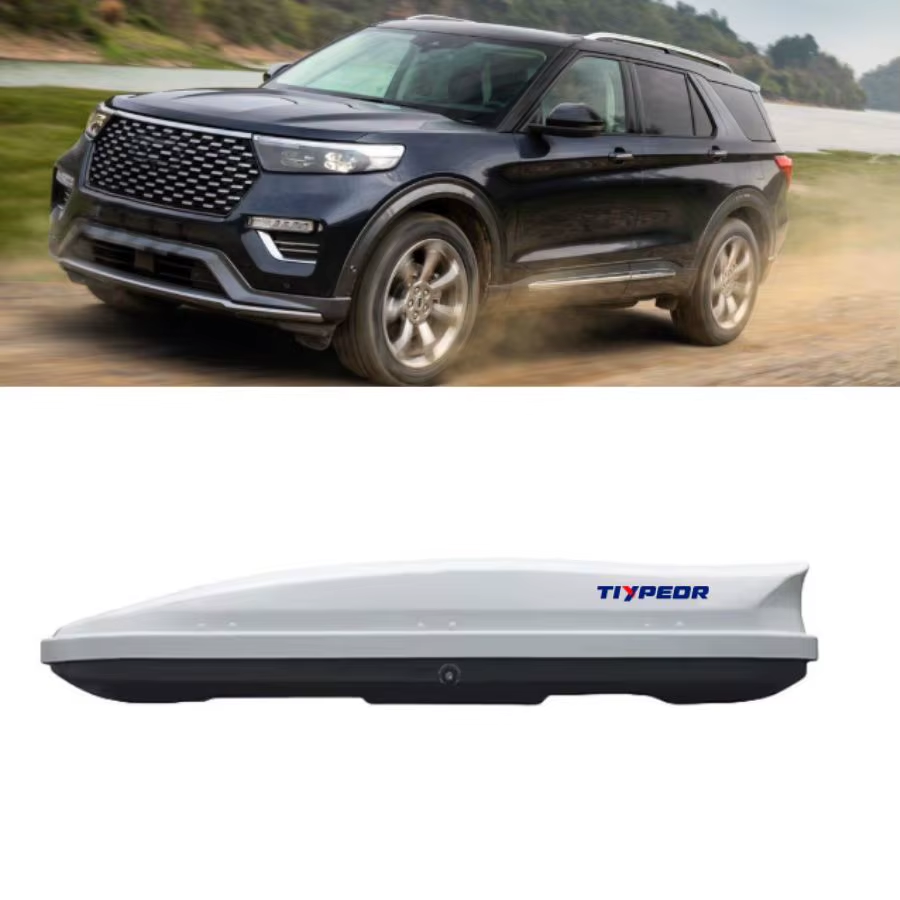
Assessing Your Vehicle’s Roof System and Clearance
Measuring Hatch Clearance and Rear Access for SUVs and Hatchbacks
When thinking about getting a roof-mounted storage box for your car, it's really important to check how much space there is behind the rear hatch first. Just take out that old tape measure everyone seems to lose somewhere in the garage and run it straight up from the bumper to where the hatch opens all the way down. What you find here matters a lot since when packed full, these boxes can eat up around 12 to 18 inches of what little room we already have back there. Most big name brands suggest leaving roughly 20 percent extra space between the back end of the box and wherever the hatch swings open so nothing gets damaged when loading stuff in or pulling it out later. Some newer crossover vehicles come with those sharply sloped liftgates that might need specially designed shorter boxes just to keep things from bumping into each other. Try actually putting large items like camping gear or sports equipment inside while keeping track of how far back the box sticks out to see if everything will fit comfortably without having to contort yourself into awkward positions every time.
Evaluating Garage Height and Total Vehicle + Box Profile
Getting the right measurement for your car's total height with a storage box mounted is important if we want to prevent problems entering our garage. Start by measuring from the ground all the way up to where the roof rails sit, then throw in whatever height the box manufacturer claims (usually around 12 to 16 inches for those compact models). Standard home garages generally have about 84 inches or seven feet of space vertically, but according to some data from the National Parking Association, nearly 37% of garage damages linked to roof boxes happen because cars plus boxes go over that limit. Something else worth considering is how curved our car's roof actually is. Boxes placed in the middle tend to take up less vertical space compared to ones stuck at the back when dealing with sloped roofs. Always double check exactly what clearance our garage has before buying anything new, comparing numbers between our vehicle's rail height and the box specs. Making a quick cardboard cutout at the mounting spots might seem silly, but it really helps see the whole picture and spot any possible trouble spots ahead of time.
Matching Auto Roof Storage Box Mounting to Your Crossbar Type
Compatibility with Square, Aero, Elliptical, and Factory-Installed Crossbars
There are basically four kinds of crossbars out there: square, aerodynamic (or aero for short), elliptical, and those installed right from the factory. Square ones work great with almost any roof box on the market, though drivers might notice more wind noise when cruising down the highway at speed. The aerodynamic models cut through air better, helping save gas money over time, but they need special clamps designed for their unique tapered shape. Elliptical bars try to find middle ground between being streamlined and versatile, although buyers should double check if their clamps will actually fit before making a purchase. Factory fitted bars usually come in weird proprietary shapes with specific load capacities listed somewhere in the paperwork. Always look up what your car can handle in terms of weight and how to attach things properly according to the manufacturer's specs. Just remember to pair whatever roof cargo system you get with compatible bars since nothing really fits everything universally across different brands and models.
Crossbar Spread Requirements: Minimum and Maximum Spacing by Model
Crossbar spacing directly affects stability, weight distribution, and long-term mounting integrity. Most auto roof boxes require 24–36 inches between bar centers for secure installation. Exceeding the maximum spread risks flexing, vibration, or detachment under load, while spacing too narrowly concentrates stress and may void warranties. As general guidance:
- Compact sedans typically need 24–28 inches
- Full-size SUVs often require 30–36 inches
Always measure your actual crossbar distance—not just rail length—and compare it against your chosen box’s published minimum and maximum spread tolerances. Adhering to these specifications prevents structural fatigue and supports safe highway operation.
Sizing the Auto Roof Storage Box to Your Vehicle’s Geometry
Length, Width, and Height Relative to Roof Dimensions and Hatch Angle
Getting the right size roof box for your car isn't just about looks it actually affects how well everything works together. When looking at length, focus on hatch clearance first. Take a tape measure from the back crossbar all the way up to where the liftgate opens completely, then knock off around 6 inches so there's enough space to get things in and out without hassle. This really matters for those SUVs and hatchbacks with steep roof angles. The width is another big deal too. Make sure it fits within what the crossbars can handle side to side. Going beyond what the factory recommends might lead to problems when taking tight corners at speed. Height matters as well for two reasons capacity and everyday usefulness. A taller box gives roughly 20 percent more space inside, but watch out because many garages have height restrictions that could be exceeded by 4 to 8 inches depending on the model. Check the overall height of your vehicle plus the box before heading into places like parking garages which usually max out around 84 inches. Most manufacturers include helpful charts showing how different roof angles affect proper sizing, so take advantage of those resources if available.
Selecting the Right Auto Roof Storage Box by Vehicle Class
The type of car someone drives really matters when picking out the right roof box. Sedans and hatchbacks work best with those sleek, low profile boxes that sit below 15 inches high. These help keep things aerodynamic, cut down on wind noise, and make sure people can still see what's behind them. According to Thule's latest report from 2023, around 35% of sedan drivers actually prefer boxes under 12 cubic feet because of these factors. On the flip side, SUVs and crossovers have more space up top so they can handle taller boxes between 18 and 22 inches. Their roofs are built stronger with better clearance and can carry heavier loads. Truck owners tend to go for bigger boxes over 18 cubic feet since they need room for stuff like long ladders or camping gear. No matter what kind of vehicle we're talking about though, it's super important to check the official static roof load limit first. Most cars can handle between 75 and 165 pounds total. Make sure to factor in both how much the empty box weighs plus whatever cargo will be inside. Take midsize SUVs as an example they typically rate for about 120 pounds on the roof. That means getting a lighter composite box weighing less than 40 pounds when empty becomes pretty much mandatory if anyone wants to pack everything they need without stressing the vehicle's structure.
FAQ
Why do I need to measure hatch clearance before purchasing a roof box?
Measuring hatch clearance ensures the roof box doesn't obstruct the rear hatch. It prevents damage and allows easy loading and unloading without inconvenience.
How do I ensure my roof box fits in my garage with my vehicle?
Measure the total height of your vehicle with the roof box installed. Compare it with your garage height. Standard garages usually allow 84 inches, so ensure your setup doesn't exceed this to prevent damage.
What's the importance of choosing the right crossbar type?
The crossbar type affects installation compatibility, wind noise, and fuel efficiency. Ensure the roof box clamps are designed to fit your specific crossbar type.
What are crossbar spread requirements, and why do they matter?
Crossbar spread affects stability and weight distribution. Manufacturers usually recommend 24-36 inches between bars. Staying within these limits ensures secure mounting and prevents warranty issues.
