
 EN
EN
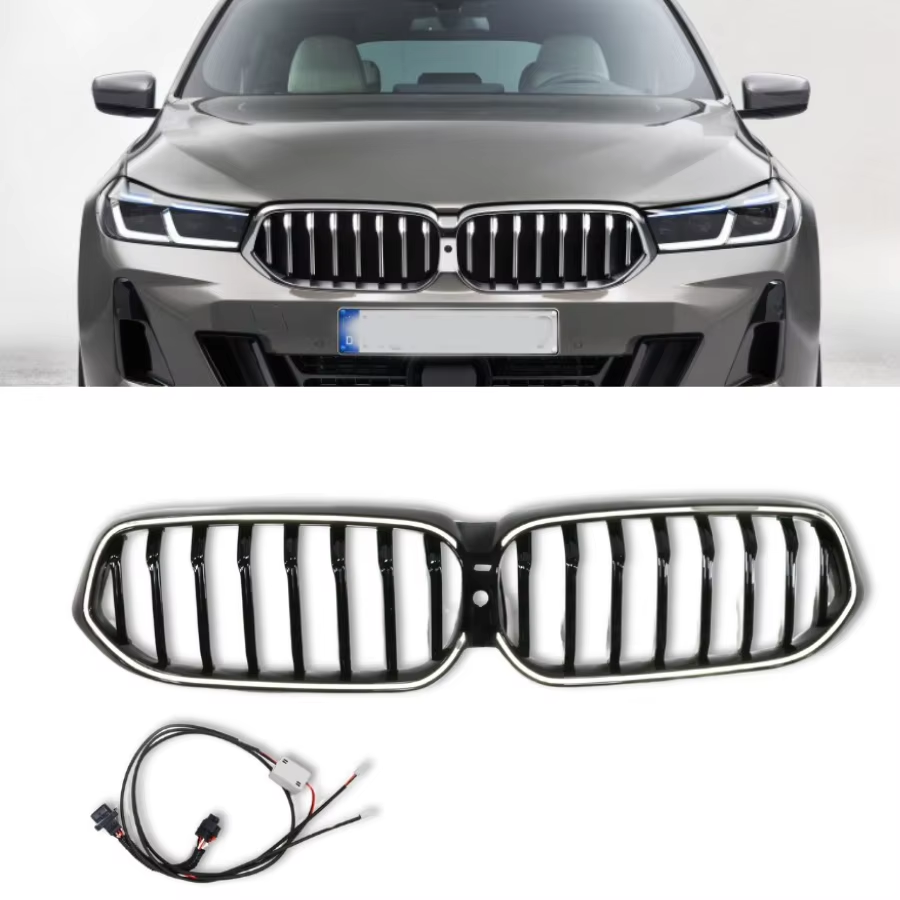
Body Kits: How to Make Sure Yours Actually Fits
We've seen it too many times.
A gorgeous body kit shows up at the shop. Boxes are opened. Panels are held up against the car. And… something's off.
A bumper that's 5 mm too short. Side skirts that don't quite line up with the rocker panels. Sensor cutouts in the wrong place. Suddenly, a straightforward install turns into a nightmare of shims, trimming, and expensive body shop time.
Here's the thing—most fitment issues are avoidable. You just need to know what to check before you buy.
We've been in this game long enough to learn the hard way. So let's save you the headache. Here's everything you need to know about body kit fitment—from VIN decoding to material choices to regulatory gotchas.
Step One: Know Your Car. Like, Really Know It.
This sounds obvious, but you'd be surprised how many people skip it.
"It's a 2018 Mustang."
Great. But is it a coupe? A convertible? A GT? An EcoBoost? With or without the performance pack? These aren't just details—they change the car's dimensions, bracket locations, and sensor placements.
What You Actually Need to Check
1. VIN Decoding
The VIN isn't just a serial number. It tells you the manufacturing plant, production date, and—crucially—mid-year design modifications that might not show up in a simple "2018 Mustang" search. Decode it. Every time.
2. Trim-Level Audit
Sport vs. Luxury vs. Base—they all have different bumper shapes, fog light housings, and grille dimensions. A kit for a base model won't fit a sport trim. End of story.
3. OEM Part Number Cross-Reference
Compare the kit's mounting points against the original bumper, fender, and rocker panel part numbers. If they don't align on paper, they won't align on the car.
4. Digital Scan Comparison
If you really want to be sure, do a 3D scan of your existing panels and overlay it with the kit's CAD model. Anything over 2 mm deviation is a red flag.
Here's What Happens If You Skip These Steps
A 2023 Automotive Aftermarket Supply Chain analysis found that 25% of aftermarket body component returns come from dimensional mismatches or incorrect trim-level assumptions.
That's one in four kits sent back. And that doesn't count the kits that get forced into place—costing you 30–40% more in labor because the shop has to retrofit brackets or fill gaps.
Do your homework. It's cheaper.
OEM Tolerances Are a Thing. Here's How to Work With Them.
Here's something a lot of people don't realize: even factory cars have variation.
OEM front-end components are manufactured to a tolerance of about ±1.5 mm. That's normal. That's the reality of mass production.
But most aftermarket kits are designed for a "nominal" chassis—the perfect, theoretical version of the car. Not the one that actually rolled off the line.
| Vehicle Type | Front Track Tolerance | Bumper Mount Deviation | What That Means for Fitment |
|---|---|---|---|
| Sedan | ±2.0 mm | ±1.8 mm | Gaps at fender-to-bumper seams |
| Coupe | ±2.5 mm | ±2.0 mm | Side skirts and rocker panels misalign |
| Wagon/SUV | ±3.0 mm | ±2.5 mm | Rear overhang and exhaust cutouts don't line up |
How Good Manufacturers Handle This
The best kit makers build "floating tolerance" into their mold designs. That means the kit accounts for the full range of OEM variation—not just the perfect version.
They also include:
-
Shim kits to fill small gaps
-
Adjustable mounting hardware for fine-tuning
-
Laser jig verification during production to catch issues early
Bottom line: if a manufacturer doesn't mention tolerance compensation, proceed with caution.
Material Matters: What Are You Actually Buying?
The material of your body kit affects everything—fit, durability, cost, and how it ages.
Here's the honest breakdown.
Fiberglass: Budget-Friendly but Brittle
Fiberglass is the most affordable option. Full kits range from $1,200 to $4,200.
The good: Cheap. Easy to repair (cosmetically). Widely available.
The bad: Rigid. Prone to cracking from minor impacts. A small curb scrape or gravel hit can turn into a spiderweb of cracks.
Verdict: Great for show cars or garage queens. Risky for daily drivers.
Polyurethane: The Daily Driver's Best Friend
Polyurethane is flexible, impact-resistant, and doesn't shatter. It accounts for about 40% of the aftermarket segment for good reason.
The good: Bounces back from minor impacts. Survives parking lot dings. Less likely to crack.
The catch: In extreme heat, it can sag if not properly supported. And it's not as "sharp" in detail as fiberglass or carbon fiber.
Verdict: The smart choice for anything that actually sees the road.
Carbon Fiber: Premium, Pricey, and High-Maintenance
Carbon fiber is the beauty queen. Exceptional strength-to-weight ratio—up to 50% lighter than fiberglass. UV-resistant. Gorgeous weave.
The good: Lightweight, stiff, and stunning. Accent kits start at $1,800**—custom full kits often exceed **$10,000.
The catch: Repairs are complex and expensive. One bad crack and you're looking at a costly professional fix.
Verdict: Show cars, track builds, and people who can afford to be careful.
Quick Material Comparison
| Material | Cost (Full Kit) | Impact Resistance | Weight | Repair Complexity | Best For |
|---|---|---|---|---|---|
| Fiberglass | $1,200–$4,200 | Poor | Heavy | Moderate | Show cars, budgets |
| Polyurethane | $1,500–$5,000 | Excellent | Medium | Low | Daily drivers |
| Carbon Fiber | $3,000–$10,000+ | Fair | Very Light | High | Track/Show cars |
Regulatory Compliance: The Stuff No One Wants to Talk About
It's not glamorous. But it matters.
DOT/SAE Certification
Road-legal kits need to meet DOT and SAE standards. That means:
-
Lighting: FMVSS 108 requires proper aim and visibility. Obscured or misaligned lights can reduce visibility by up to 25% —which is a safety issue and a ticket magnet.
-
Aerodynamics: Some aftermarket spoilers actually increase rear lift by 12% at highway speeds. That's the opposite of what you want.
-
Pedestrian Safety: Euro NCAP 2023 requires front-end profiles that disperse impact forces. Non-compliant designs raise leg injury risk by 8% and expose manufacturers to liability.
System Interference Checks
Even if the kit fits, it might still cause problems.
-
Cooling: Block just 20% of the radiator opening, and coolant temperature jumps by 12°C (SAE 2021).
-
Braking: Restricted brake ducts increase brake fade by 30% during repeated stops.
-
ADAS Sensors: Radar and cameras need clear, unobstructed paths. A 2023 survey found 15% of ADAS fault reports traced to non-OEM bodywork that shifted sensor positions.
Our rule: If the manufacturer can't tell you how the kit affects these systems, keep looking.
Our Honest Take
Buying a body kit is exciting. We get it. But the excitement fades fast when you're staring at a bumper that doesn't line up.
Here's what we always say: do your homework before you spend your money.
-
Decode the VIN.
-
Check the trim level.
-
Understand OEM tolerances.
-
Pick the right material for how you actually drive.
-
Make sure the kit is compliant and interference-tested.
Do all that, and your install goes smoothly—and your car looks exactly the way you imagined.
Got Questions? We're Here.
Not sure what fits your car? Confused about materials or compliance? Shoot us a message. We'll walk you through it—no jargon, no pressure.
Because at the end of the day, we want you to love your build. Not regret it.
FAQs
Why is VIN decoding important for body kit fitment?
The VIN reveals the exact manufacturing specs, including mid-year design changes that don't show up in simple model-year searches.
What's the best material for a daily-driven body kit?
Polyurethane. It's flexible, impact-resistant, and survives parking lot scrapes and gravel hits better than fiberglass or carbon fiber.
Can a body kit affect my car's safety systems?
Yes. Improperly designed kits can block cooling, restrict brake ducts, and interfere with ADAS sensors like radar and cameras.
Why are some body kits so expensive?
Cost reflects material (carbon fiber is pricey), mold precision, R&D, and compliance testing. A cheap kit often means hidden costs in fitment fixes.
What does a laser jig check do?
It verifies critical mounting points against the OEM chassis spec during production, flagging deviations before the kit ships.
Table of Contents
- Body Kits: How to Make Sure Yours Actually Fits
- Step One: Know Your Car. Like, Really Know It.
- OEM Tolerances Are a Thing. Here's How to Work With Them.
- Material Matters: What Are You Actually Buying?
- Regulatory Compliance: The Stuff No One Wants to Talk About
- Our Honest Take
- Got Questions? We're Here.
- FAQs
