
 EN
EN
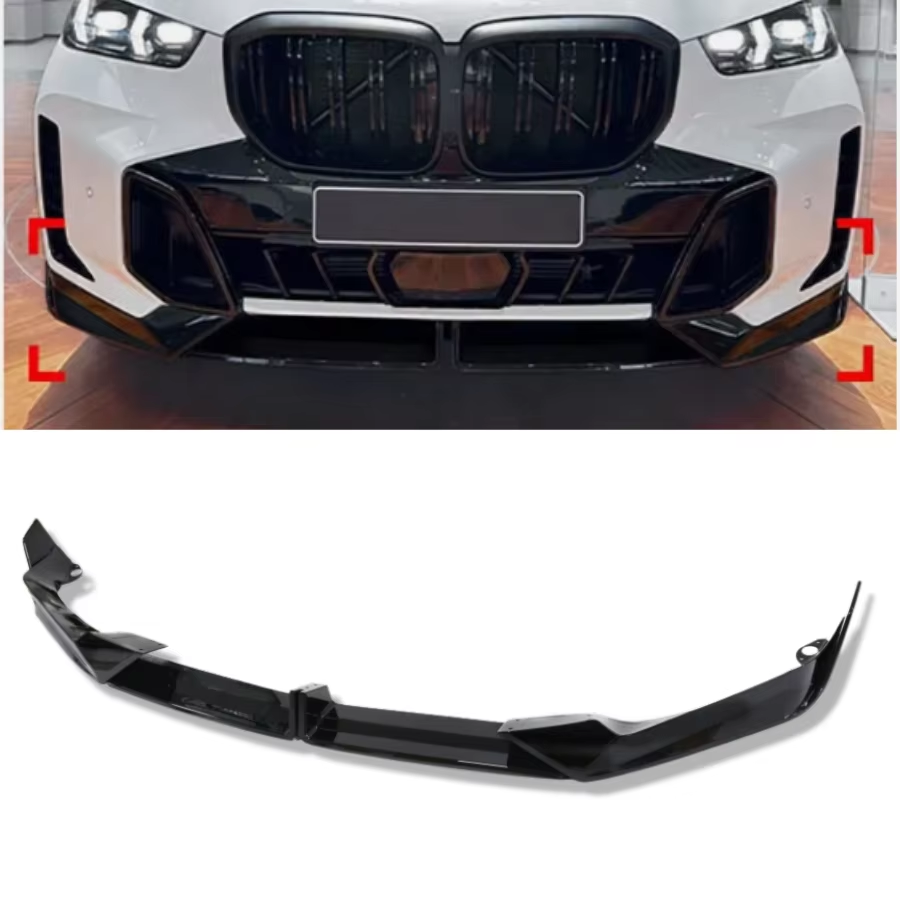
Understanding Car Design Language and Its Impact on Auto Body Kit Selection
How JDM, Euro, and American Design Philosophies Shape Auto Body Kit Aesthetics
The look and feel of cars from different regions really matters when picking out body kits. Japanese Domestic Market stuff tends to go for functional minimalism. Think about those integrated canards and diffusers that actually help with downforce but still keep things looking clean and smooth. European cars usually stick closer to what came from the factory, adding small touches like subtle lip spoilers that don't mess with the original elegance. Americans love their muscle car looks though, all about those big flared fenders, aggressive hood scoops, and those massive rear quarters that scream power. Because these styles are so different, putting on a widebody kit meant for something like a Dodge Challenger just doesn't work right on a Mazda MX-5 with its curvy shape. The whole thing ends up looking wrong both visually and how it performs. Good modifications always start with understanding where the car came from design wise.
Why Mismatched Design Language Undermines Visual Cohesion–Even with Premium Auto Body Kits
When a car gets fitted with body kits that don't match its basic design, the whole look just falls apart visually. Take those sharp JDM style splitters people slap onto Porsche 911s with their smooth curves. The contrast looks awkward regardless of whether it's made from high quality carbon fiber or not. Something similar happens when someone bolts on those big European style spoilers to a Chevy Camaro. They clash with how the car was originally designed around those muscular rear quarters. According to some industry research, around three out of four car enthusiasts regret modifications because they simply didn't fit the car's character. Fancy materials won't fix what's fundamentally wrong here. Good custom work actually needs to complement what the manufacturer already put together visually. Think about it like fashion – would anyone wear a suit with mismatched patterns? Probably not.
Auto Body Kit Types: Matching Form, Function, and Vehicle Personality
Lip Kits, Aero Packages, Full Kits, and Widebody Systems–When Each Auto Body Kit Type Fits Best
Picking out the correct auto body kit really comes down to finding that sweet spot between how it looks and how well it works in everyday driving situations. Lip kits, which are basically those front and rear spoilers people often install, give cars a bit more style while also providing some minor improvements in air flow around the vehicle. These work great for folks who drive their modified cars regularly but still need good ground clearance without sacrificing too much practicality. Aero packages take things further when performance matters most. Think about all those components like splitters at the front, diffusers in back areas, plus side skirts that help control air movement at speed to create extra downforce. This kind of setup is what serious track enthusiasts go for when building race-ready machines. Full body kits completely change how a car looks from every angle thanks to matching front and rear bumpers along with integrated side panels. They're typically seen on show vehicles or custom builds where having everything look cohesive is absolutely critical. Then there's widebody systems that actually widen the fenders so bigger wheels can fit properly. These are essential for street rods or drift cars where maximum traction and aggressive stance are non-negotiable requirements. Every option has its own specific role depending on what someone wants to achieve with their ride.
| Kit Type | Best Application | Key Benefit |
|---|---|---|
| Lip Kit | Street/daily drivers | Minimal clearance impact |
| Aero Package | Track/performance vehicles | Optimized downforce |
| Full Kit | Show cars/custom builds | Complete visual overhaul |
| Widebody System | High-traction performance | Wheel/tire compatibility |
Functional Trade-offs: Downforce, Clearance, and Daily Usability by Auto Body Kit Style
Auto body kits always come with compromises when it comes to looks versus actual performance. Aero packages boost downforce somewhere around 15 to 25 percent which helps cars stay planted during tight turns at high speeds, but these same packages usually cut ground clearance by about 2 to 4 inches. That makes things tricky for city driving and getting into garages without scraping the undercarriage. Widebody systems keep the original ride height intact but make vehicles much wider, creating headaches when trying to park or navigate narrow roads. Lip kits stand out because they don't mess with daily driving convenience while still delivering real aerodynamic improvements. According to research published last year in Vehicle Dynamics, lips can slash lift by roughly 8 to 12 percent without affecting clearance whatsoever. When someone goes for a complete kit, they're generally giving up both clearance and everyday usefulness just for that striking visual effect. What matters most depends on where people actually drive day to day. City dwellers need something adaptable enough for traffic jams and tight spots, whereas track enthusiasts will happily deal with limitations if it means better handling characteristics.
Vehicle-Specific Auto Body Kit Compatibility: From Mustang GT to Porsche 911 and Toyota Supra
OEM+ Widebody Adoption Trends Across Key Platforms–and Why They Succeed
Auto body kits that fit specific platforms are changing how people modify cars these days. According to recent industry data from 2023, OEM+ widebody designs have seen about a 40-45% jump in popularity among certain models such as the Ford Mustang GT and Porsche 911. What makes this trend work so well? Car makers are basically taking what works from original designs - those clean body lines, how everything fits together structurally, even crash test results - and turning them into parts that just bolt right on without needing any cutting or welding done. This stands out when compared to generic kits which often don't match up quite right. These specially made designs actually keep all the factory safety features intact and maintain how the car drives too. That matters a lot to serious car fans who want something fancy but still dependable. Take the Toyota Supra for instance. The flares they added look almost identical to what came off the assembly line originally, yet there's plenty of room now for those big performance tires and wheels many drivers crave.
Critical Fit Factors: Fender Flare Integration, Wheel Arch Clearance, and OEM Mounting Points
There are really three key factors that decide if an auto body kit will work properly: getting those fender flares to curve just right against the factory panels, making sure there's at least 15mm of space in the wheel arches so the suspension can move freely, and sticking strictly to the original equipment manufacturer's mounting points. Most installers know from experience that around two thirds of all problems come down to insufficient clearance in those wheel arch areas, which causes tires to rub against things when driving aggressively or turning sharply. Getting those flares to fit seamlessly takes attention to detail at the millimeter level because even small gaps or misalignment ruin the overall look. When builders follow OEM mounting points, they're basically ensuring the vehicle maintains how it was designed to handle stress and impact according to crash tests. These days top companies are using advanced 3D scanning tech to map out exact chassis points, allowing them to create kits that respect the original engineering tolerances. This matters a lot for cars with modern unibody construction where structural integrity is so important.
FAQ Section
What are the key design differences in car bodies between JDM, Euro, and American cars?
JDM designs often focus on functional minimalism with performance-enhancing elements that maintain a clean aesthetic. European cars typically enhance the original elegance with subtle features, while American designs prioritize a powerful, muscular look with flared elements and aggressive details.
Why is it important to match body kits with a car's original design?
Mismatched body kits can disrupt the car's visual cohesion and performance. Inconsistencies between the car's original design and the body kit can cause dissatisfaction, as they may not complement the car's innate aesthetics and functionality.
How do different types of body kits affect a vehicle's performance and usability?
Lip kits offer minor aerodynamic benefits with minimal impact on clearance, making them suitable for daily use. Aero packages enhance performance by increasing downforce but reduce ground clearance. Widebody systems maximize traction and width without altering ride height. Full kits provide a comprehensive aesthetic overhaul but sacrifice some practicality.
What factors determine the compatibility of a body kit with a specific car model?
Important factors include the integration of fender flares, ensuring enough clearance in wheel arches, and aligning with OEM mounting points. These elements ensure the body kit does not compromise the vehicle's design, safety, and handling.
Table of Contents
- Understanding Car Design Language and Its Impact on Auto Body Kit Selection
- Auto Body Kit Types: Matching Form, Function, and Vehicle Personality
- Vehicle-Specific Auto Body Kit Compatibility: From Mustang GT to Porsche 911 and Toyota Supra
-
FAQ Section
- What are the key design differences in car bodies between JDM, Euro, and American cars?
- Why is it important to match body kits with a car's original design?
- How do different types of body kits affect a vehicle's performance and usability?
- What factors determine the compatibility of a body kit with a specific car model?
