
 EN
EN
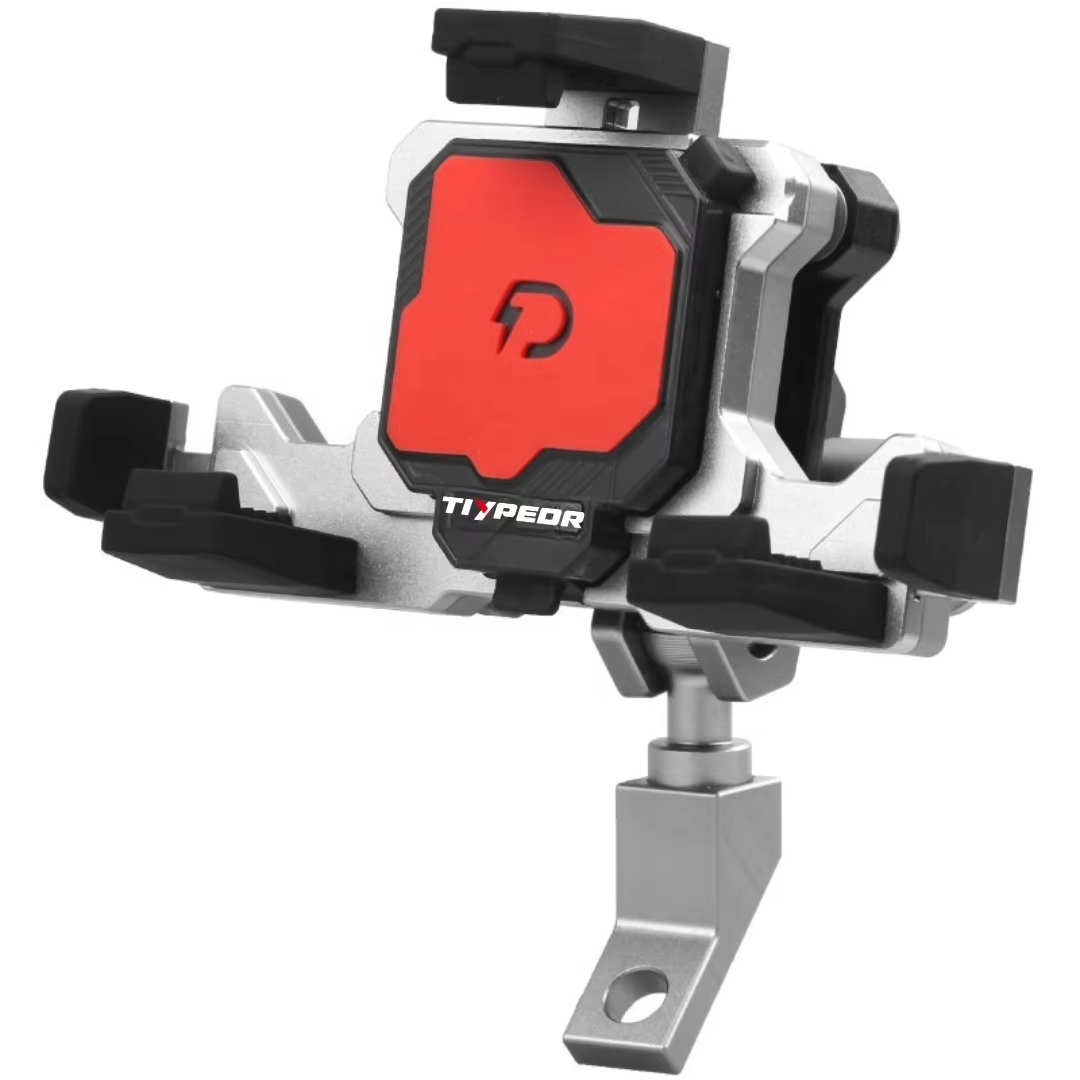
Non-Negotiable Safety Accessories Every Rider Needs
Helmets: Fit, Certification (DOT/ECE/SHARP), and Real-World Crash Protection
Getting a helmet that fits right matters a lot for staying safe on motorcycles. The different certification marks out there - DOT, ECE, and SHARP - actually test things differently when it comes to how well they absorb impacts. Take SHARP's star ratings as just one example. Those stars show real differences between helmets in actual crash situations, so riders aren't just buying based on what companies say but looking at real data instead. The National Highway Traffic Safety Administration found back in 2023 that wearing a helmet cuts down head injuries by around two thirds. But this only works if the helmet sits properly on the head. Fit is absolutely critical here. When someone pulls on a helmet during a simple tug test and it moves more than about an inch or so, that means the straps aren't holding tight enough and the protection isn't going to work properly in an accident.
CE-Certified Armor: Back, Chest, Knee, and Elbow Protectors Explained
Armor that carries CE certification works by taking in and spreading out impact forces over parts of the body where injuries are most likely to happen. The back protectors we see rated at Level 1 or 2 can really cut down on chances of spine damage, and those joint protections labeled CE Level 1 through 2 actually seem to bring down break risks somewhere around 85 to 90 percent according to tests. Flexibility isn't just nice to have either. When protective inserts are too stiff or don't fit right, they tend to move around when someone crashes, which leaves important spots vulnerable. Materials such as D3O offer something special though. These smart stuffs provide proper protection even though they're thinner and adapt better to movement. Riders get the best of both worlds really good safety plus freedom of motion, no need to choose one over the other like some folks think they have to.
Functional Protective Apparel: Jackets, Pants, and Gloves That Save Lives
Riding Jackets and Pants: CE Abrasion Ratings, Thermal Regulation, and Waterproofing Trade-Offs
Today's motorcycle gear depends heavily on CE certified abrasion resistance levels like AA or AAA to help prevent those nasty road rash injuries when accidents happen. According to some field research published by the Motorcycle Industry Council Association back in 2023, riding gear with these ratings cuts down serious skin damage from falls by about 90 percent. But there's always a catch with better protection. Waterproof layers tend to trap heat inside, making riders sweat buckets, and thick thermal stuff can actually make things worse in warm weather. Smart manufacturers have started incorporating solutions though - think zippers for airflow, liners that come out when needed, and those breathable mesh panels that keep sweat at bay. Touring riders know this well because their gear needs to handle everything from freezing mornings to hot afternoons. Modular jackets aren't just about convenience anymore; they're practically essential for staying safe no matter what kind of weather surprises show up along the road.
Motorcycle Gloves: Palm Reinforcement, Knuckle Coverage, and All-Weather Grip
Gloves serve as both the final touchpoint and primary shield for our hands when riding. Armor rated at CE Level 1 or 2 protects against impacts around the knuckles and scaphoid area, something riders should really pay attention to. The palms often come with reinforcement plus built-in sliders that help reduce friction when sliding down obstacles. For all weather conditions, manufacturers combine water repelling leather with fingers that work on touchscreens, although getting good airflow through these gloves continues to be tricky. How well someone grips depends largely on what materials they choose. Silicone printed palms tend to stick better when things get wet, whereas kangaroo leather offers much better feel and control when it's dry out there. Don't skimp on wrist coverage just because it gets cold either. Crash data shows about one third of hand injuries happen precisely where the glove ends at the wrist joint.
Emergency-Ready Motorcycle Accessories for Roadside Reliability
Flat Tire Repair Kits: Effectiveness on Tubeless vs. Tubed Tires (Based on 2023 MCIA Field Data)
Picking out motorcycle gear for when things go wrong on the road means tire repair kits should be at the top of the list. But here's something important most riders don't realize - how well these kits work actually varies depending on what kind of tires they have. According to data from the Motorcycle Industry Council Association back in 2023, those fancy tubeless tire repair kits worked successfully around 89% of the time in actual riding situations, whereas traditional tubed systems only managed about 65%. Why such a big difference? Well, tubeless plugs basically stick to the tire rubber through chemical bonding, creating strong seals that hold up even at highway speeds. Tubed repairs tell a different story though. They usually need the whole wheel taken off and patched somewhere, which introduces all sorts of problems like mistakes during installation or glue breaking down over time. And let's not forget the numbers: nearly three quarters of tubed tire fixes failed within just 50 miles after being done, compared to only 11% failure rate for tubeless systems. So if quick roadside fixes matter to anyone who rides regularly, going with a kit designed for tubeless tires makes absolute sense.
Smart Motorcycle Accessories: Enhancing Awareness, Communication, and Ride Documentation
Smart motorcycle gear isn't just cool tech stuff it's actually making riding safer in real ways. Take those HUDs in modern helmets they show speed, directions, and warn about hazards right where riders need to see them, so no more looking down at the handlebars while moving. Bluetooth comms let riders talk without taking hands off the bike, which matters a lot when riding in groups or if something goes wrong on the road. Some bikes now have crash detection systems with sensors that can tell when there's been an accident and send out GPS location info to emergency services automatically. And don't forget the waterproof dashcams with two lenses recording both front and back in HD quality. These cameras capture what really happened during incidents, which makes a big difference when insurance companies want to know who was at fault. All these gadgets work together like a safety network around the rider, helping keep attention on the road ahead instead of getting distracted by other things.
FAQ
Why is helmet fit crucial for riders?
A proper helmet fit is critical because it ensures the helmet remains in place and provides maximum protection during an accident. If a helmet moves excessively, the protection is compromised, increasing the risk of head injuries.
What do CE certification levels mean for motorcycle armor?
CE certification levels indicate how well armor can absorb and distribute impact forces. Level 1 offers basic protection, while Level 2 provides higher protection. These certifications help to reduce the risk of injury significantly.
How do abrasion ratings in riding gear help?
CE abrasion ratings like AA or AAA measure a fabric's capability to withstand abrasions during incidents, thus minimizing skin damage. Higher ratings often mean better protection against road rash.
Why do tubeless tire repair kits have higher success rates than tubed kits?
Tubeless kits bond chemically to the tire, creating stronger, more reliable seals compared to tubed systems, which often require wheel removal and are more prone to failure.
What are the benefits of smart accessories for motorcyclists?
Smart accessories like HUDs and crash detection systems enhance rider awareness, allow hands-free communication, and automatically alert emergency services in the event of an accident, significantly improving safety.
