
 EN
EN
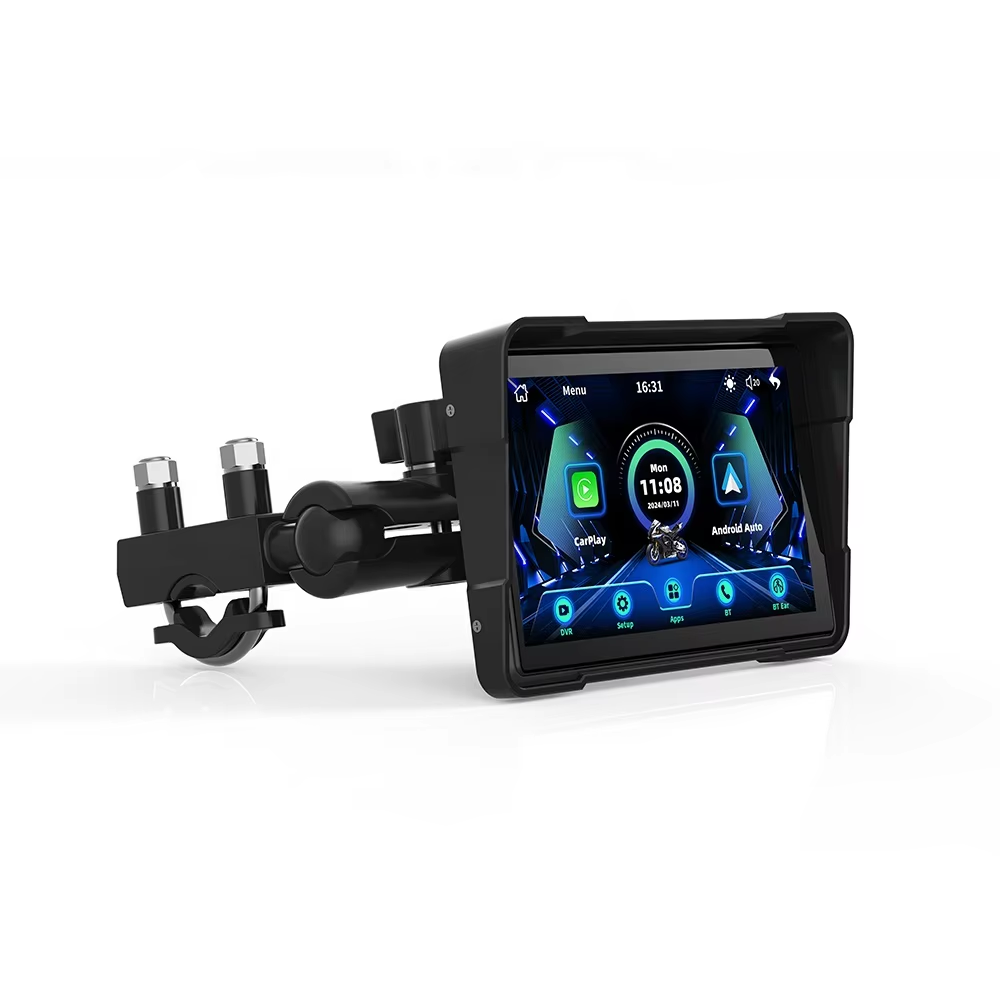
Reliable Navigation Designed for Extended Motorcycle Routes
Real-World Turn-by-Turn Accuracy Across Rural, Mountainous, and Off-Pavement Corridors
When it comes to motorcycle CarPlay navigation, accuracy matters most where regular phone apps just don't cut it, particularly out in those rural areas, mountains, and rough unpaved roads. These dedicated systems work by combining signals from multiple satellites like GPS, GLONASS, and Galileo along with detailed topographic maps so riders stay on track even when there's no cell service available. That's really important for folks heading up remote mountain passes or exploring through deserts where getting lost could be dangerous. Standard car apps often send motorcyclists down paths that are completely impassable, but motorcycle specific navigation actually reads elevation changes and road surfaces to steer clear of gravel patches, loose rocks, or dangerously steep inclines that would make riding impossible. The receivers in these systems are super sensitive too, which means they keep finding the right location even when trees block the sky or when riding deep inside canyon walls, making sure turn by turn directions come through at exactly the right moment. Recent surveys from 2024 show something pretty impressive: adventure tourers report about 30 percent fewer times going the wrong way compared to using their phones for navigation in wilderness areas. This difference adds up over long trips, saving precious hours and cutting down on rider exhaustion during those multi day journeys.
Dynamic Traffic, Weather, and Hazard Alerts Optimized for Two-Wheel Context
When real time information gets customized for motorcycles, it can literally save lives. The special CarPlay systems made for bikes actually spot dangers that regular car GPS just misses out on. Think about things like hidden gravel spots, oily roads after rain, unexpected gusts of wind, or fog rolling in suddenly from nowhere. These weather warnings pop up way earlier than what drivers get, giving motorcyclists precious extra time to grab their waterproof gear before those mountain storms roll in. There are these built in sensors that resist vibrations and can feel when roads start getting rough, then they'll point riders toward better routes automatically. When traffic builds up, the system likes to send people down pretty backroads instead of stuck in highway gridlock, which cuts down on both body strain and mental exhaustion from constant stopping and starting. According to some recent research from last year, almost seven out of ten long distance riders say these smart alerts helped them dodge trouble while riding somewhere new.
Hands-Free Control and Voice-First Interaction at Speed
Siri Integration for Safe, Glove-Compatible Commands (Calls, Messaging, Re-Routing)
When riding at speed, voice first interactions cut out all those manual inputs that can be so dangerous. The latest voice tech gets pretty good too, hitting around 95% accuracy even when things get noisy according to some research from Ponemon back in 2023. This means riders can handle calls, send messages, or change routes just by talking naturally, even if they're wearing thick gloves. Smart systems now pick up on background noises like wind whistling past helmets and figure out what someone really means when they say something like "Stay off dirt roads coming up" or "Let my partner know I'm stuck." Traditional buttons and screens? Not great for safety stats. Studies show voice controlled HMIs actually cut down accidents caused by distractions by about 34%, which matters a lot during tricky turns or when weather suddenly changes. Behind the scenes, these systems use multiple layers of language processing to tell the difference between route changes and regular questions, giving answers almost instantly. Adventure riders will tell anyone this hands free stuff isn't just handy, it's absolutely vital sometimes because one second of looking away could mean trouble.
Integrated Safety Systems: From Proactive Alerts to Emergency Response
CarPlay-Enabled SOS, Crash Detection, and Location Sharing for Remote Rides
When heading off into remote territory, the safety features of Motorcycle CarPlay become much more than just handy tech they literally save lives. The system works by using those little sensors inside the motorcycle that can sense when something bad happens during a crash. Once detected, it sends out an automatic distress signal to help crews and shares exact location data through GPS. This matters a lot for lone riders who find themselves somewhere without cell service coverage. Imagine being stranded after an accident with no way to call for help the built-in emergency response makes all the difference in these situations.
Proactive safeguards extend beyond crash response. Real-time location sharing lets riders broadcast their route and estimated arrival times to trusted contacts or riding groups, enabling faster intervention if deviations occur unexpectedly. All functions operate seamlessly through CarPlay’s voice interface, minimizing distraction while maximizing protection.
| Safety Feature | Remote Riding Benefit |
|---|---|
| Automatic Crash Detection | Instant SOS activation during rider incapacity |
| Live Location Sharing | Streamlined coordination for off-grid rescues |
| Voice-Activated Alerts | Hands-free emergency requests at speed |
This fusion of hardware sensors and CarPlay’s secure connectivity framework creates an adaptive safety net—particularly valuable where help is hours away.
Rugged Hardware Compatibility: Sunlight, Vibration, and Weather Resilience
Motorcycle CarPlay systems face extreme environmental stress during adventure touring. Seamless function demands hardware engineered for relentless sun exposure, mechanical vibration, and precipitation—not afterthought adaptations.
High-Brightness Displays, Secure Mounting, and IP-Rated Enclosures for ADV Use
To stay readable under bright sun, most displays need around 500 to 1000 nits of brightness along with those special anti-reflective coatings. The vibration mounts are another important part of the equation. They have these reinforced locks that meet MIL-STD-810G specs, handling shocks up to 50G. This keeps everything secure even when bouncing over washboard roads or navigating rough mountain trails. When it comes to surviving harsh weather conditions, devices typically rely on IP67 or IP68 rated enclosures. These protective housings keep dust out and let them survive being submerged in water, which makes all the difference during river crossings or riding through torrential downpours. Without these specs, screens get washed out completely, connectors start corroding, and eventually components inside just give up. According to tests published in the Industrial IoT Journal last year, gadgets without proper IP ratings failed about 85% of the time in wet weather situations. Meanwhile, those built to withstand tough environments lasted three times longer in actual field operations.
Stable Wireless CarPlay and Power Management for Multi-Hour Rides
Keeping Motorcycle CarPlay connected during those long rides isn't just about pairing via Bluetooth. Riding a motorcycle throws up all sorts of problems nobody thinks about until they happen. There's constant vibration shaking everything loose, temperatures swinging from freezing morning starts to blistering afternoon heat, plus finding places to charge remains a real headache for many riders. That's why newer systems are moving away from regular Bluetooth connections towards Wi-Fi Direct technology instead. This setup maintains around 10 to 11 Mbps speed necessary for live map updates while riding through areas where signals tend to drop out completely. Most riders won't notice these technical details but will definitely appreciate not getting lost when their phone decides it wants to disconnect at the worst possible moment.
Smart power management matters just as much as having good gear. When out on long rides, it pays to have those high output USB-C ports rated at least 15 watts plus some backup batteries handy so the GPS doesn't cut out when navigating tricky terrain. A few other tricks work well too. Loading up maps for download before heading out cuts down on needing cell service, which can be spotty in remote areas. And setting the screen to dim automatically during long stretches on highways saves battery without missing critical info. These little adjustments make all the difference between getting lost somewhere and staying connected throughout the whole adventure, no matter how many hours are spent exploring back roads or scenic trails.
FAQ
Why is Motorcycle CarPlay navigation better than cell phone apps?
Motorcycle CarPlay navigation leverages multiple satellite signals and topographic maps for enhanced accuracy, especially in remote areas where cell service might be unavailable.
What hazards can Motorcycle CarPlay systems warn against?
These systems alert riders about hidden gravel spots, oily roads, unexpected gusts of wind, and sudden weather changes, enhancing safety on the road.
How does voice control improve safety for motorcyclists?
Voice control enables hands-free operation, reducing distraction and decreasing the chances of accidents caused by manual inputs.
How do the integrated safety features work in remote areas?
Motorcycle CarPlay includes automatic crash detection, live location sharing, and voice-activated alerts, providing crucial support and communication in emergencies.
Why is hardware compatibility important for Motorcycle CarPlay?
The demanding environments of adventure touring require robust displays, secure mounting, and weather-resistant enclosures to ensure functionality and durability.
Table of Contents
- Reliable Navigation Designed for Extended Motorcycle Routes
- Hands-Free Control and Voice-First Interaction at Speed
- Integrated Safety Systems: From Proactive Alerts to Emergency Response
- Rugged Hardware Compatibility: Sunlight, Vibration, and Weather Resilience
- Stable Wireless CarPlay and Power Management for Multi-Hour Rides
- FAQ
