
 EN
EN
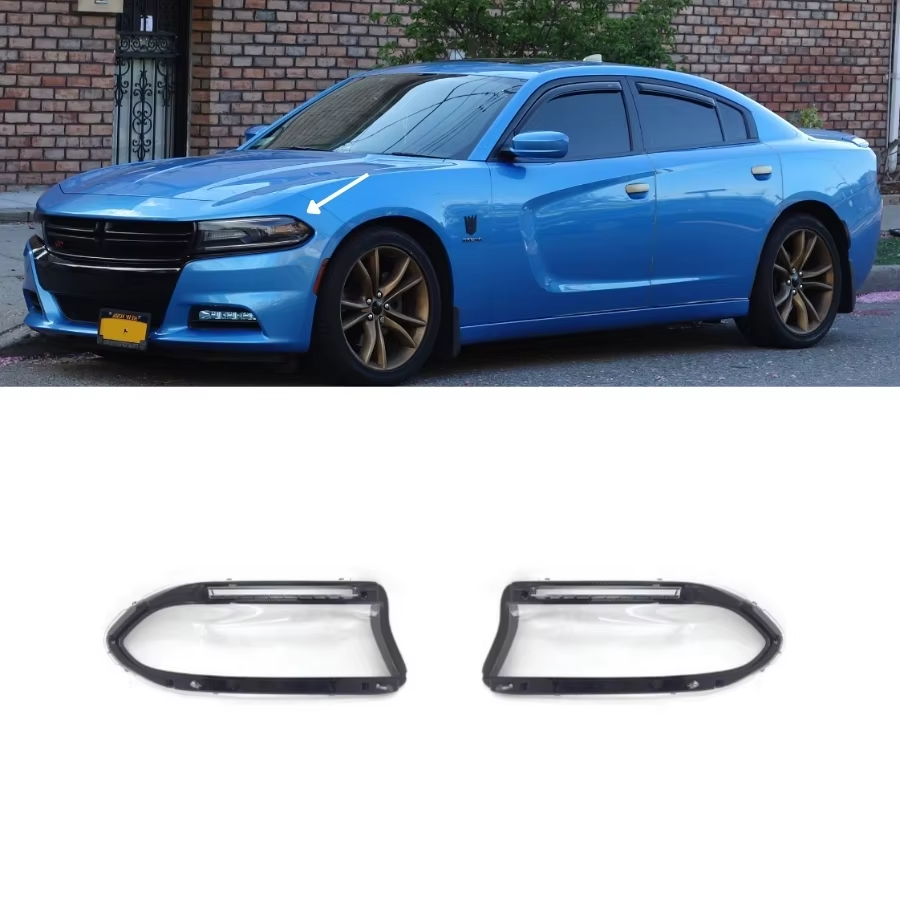
What Is an Auto Body Kit — Purpose, Function, and Core Benefits
Defining the auto body kit: Beyond cosmetic add-ons
Auto body kits basically consist of various aftermarket parts meant to either swap out or tweak what came originally on a car's outside. Most people go for them because they look good, but there are actually practical reasons too besides just making things prettier. Usually, such kits come with stuff like front splitters, those side pieces that run along the doors, rear diffusers at the back, spoilers on top, and occasionally bigger fenders or bumpers if someone wants an aggressive stance. All these bits do more than just change how the car looks. They help improve airflow around the vehicle, shield the original paint from chips and scratches during normal driving, and ultimately give the whole thing a unified custom feel that matches what the owner has in mind for their ride.
How auto body kits enhance aerodynamics, handling, and visual identity
Auto body kits that are properly designed can really boost how a car performs because they work with the way air moves around it. Take front splitters for instance, they help keep the nose of the car planted on the road by controlling where the air goes. Side skirts do their part too by cutting down on all that messy air underneath the car. Then there's the rear diffuser which speeds up the air coming out from under the vehicle, and spoilers create extra pressure pushing the car down onto the pavement at high speeds. According to various wind tunnel tests, these kinds of modifications often cut back on drag somewhere around 15 percent while making the car handle corners much better. But performance isn't the only reason people install body kits. These kits completely change what a regular car looks like, turning it into something unique. Some folks go for super aggressive styles straight out of racing circuits, while others prefer more understated upgrades that just give their ride a bit more personality without going overboard.
Types of Auto Body Kits: Matching Your Goals to the Right Design
Full vs. ground effects vs. widebody kits: Use-case comparison
Picking out an auto body kit really comes down to what someone wants from their car. Full body kits completely change how a vehicle looks by swapping out several original parts at once, giving it that cohesive appearance with better airflow around the car. Ground effect packages mainly deal with stuff near the bottom such as side skirts or splitter pieces up front which helps push the car down onto the road surface and cuts back on resistance when moving fast, making these great choices for cars built specifically for racing tracks. Widebody modifications stretch those fender areas and rear quarter sections so they can accommodate broader wheels, this not only boosts traction capabilities but also gives off quite an imposing image on city streets. The numbers tell us something interesting too - last year's industry stats showed that nearly two thirds of all widebody jobs were done alongside work on suspensions systems and new rubber, showing most folks aren't just looking pretty here, they actually want real improvements in how their machines perform.
Aero-optimized kits versus style-first universal kits
The best aero kits come with parts tested in wind tunnels including things like front splitters, rear diffusers, and those cool integrated spoilers that actually do work to cut down on lift and keep cars stable at higher speeds. These kits are typically made from light stuff like carbon fiber or special polyurethane blends so they boost performance without making the car heavier than it needs to be. On the other hand, most universal body kits focus first and foremost on looking good rather than function. They tend to look really aggressive and fit lots of different vehicles, which makes them easy to install for anyone who wants their ride to stand out visually without spending weeks modifying everything else. According to industry numbers, serious racing teams have seen improvements of around 2.5 percent faster lap times when using proper aero kits on track days. Meanwhile regular drivers still go for those flashy universal kits because sometimes people just want their car to look awesome even if it doesn't exactly slice through the air better.
Critical Components and Their Real-World Impact on Performance
Front splitters, side skirts, and rear diffusers: Aerodynamic roles explained
The main parts of an auto body kit designed for performance each have their own role in how air moves around the car. Take front splitters for instance they work by making a difference in air pressure, with higher pressure sitting on top and lower underneath. This basically pushes the front wheels harder against the pavement, giving better traction when cornering or braking. Side skirts help guide air smoothly along the flanks of the vehicle, cutting down on messy air movement underneath and overall resistance. Then there are those rear diffusers that really kick into action as air rushes out from under the car. They actually help decrease what's called rear lift, which keeps things stable when going fast. Some tests show that putting all these together can cut lift by about 35%, plus drag numbers get better somewhere between 8% to 12%. That might not sound like much, but every little bit helps when pushing performance limits.
Bumpers and fenders: Balancing aesthetics, fitment, and structural integration
When people think about aftermarket bumpers and fenders, most only consider how they look on their car. But these parts need to work with the vehicle's engineering if they're going to last. Good performance bumpers keep enough space around cooling systems and intercoolers while actually helping air flow better to the brakes and radiator area. Fenders are another story altogether. They let owners put on bigger wheels and tires for better grip on the road, but getting them to fit right is tricky business. A bad fit means constant rubbing against stuff and weak spots forming over time. Some cheap parts out there really mess with important safety features or worse, cause cracks where none should be. That's why investing in quality components makes sense for anyone serious about their ride. These better parts not only look good but work properly too, matching up with what came from the factory without needing all sorts of modifications nobody wants to deal with.
Material Selection for Your Auto Body Kit: Durability, Weight, and Value
Fiberglass, polyurethane, and carbon fiber — performance trade-offs
What materials we pick really affects how something performs, lasts over time, and what it costs. Fiberglass is pretty cheap and saves some weight too, but it tends to crack when hit hard. Polyurethane bends better and takes impacts without breaking, so many people who drive on regular roads go for this stuff even though it weighs a bit more than fiberglass. Carbon fiber sits at the top of the heap as far as material goes. It cuts down on weight by about half to three quarters compared to metal parts while still being super strong and stiff. Plus there's that awesome look that makes everyone notice it right away. Of course all these benefits come with a much bigger price tag attached.
Real-world durability: Weather resistance, impact tolerance, and longevity
The lasting value of any product really comes down to how these materials hold up day after day in actual use situations. Fiberglass stays pretty much the same shape even when temperatures swing wildly from hot summer days to freezing winter nights. But it does have one major weakness nobody talks about much until they've had a fiberglass part for a while - those little cracks that form if not handled properly during installation or transport. Polyurethane is great at taking hits without breaking, bending slightly when it bumps into things like parking lot curbs or road debris. Still, leave it sitting outside unprotected for too long under sunlight and watch it fade right before your eyes unless someone applied some kind of UV resistant coating first. Carbon fiber stands out because it just doesn't seem to age like other materials do. The downside? That beautiful shine wears away over time if we don't keep applying fresh layers of protection. Some folks swear by regular waxing while others prefer specialized film wraps depending on their budget and how important appearance matters to them personally.
Fitment, Installation, and Compatibility — Avoiding Costly Mistakes
OEM-fit precision vs. universal adaptability: Which suits your vehicle?
Body kits that fit OEM specifications are designed specifically for certain car models from particular years, which means they align properly without too many installation headaches and meet all the factory safety requirements plus aerodynamic specs. Universal body kits work with more different cars but usually need some serious modifications like cutting panels or drilling holes to get them to fit right. Sure, these universal options might save money upfront, but if not installed correctly, they cause alignment problems, mess up how air flows around the vehicle, and sometimes even void manufacturer warranties. According to recent industry numbers, cars fitted with non-OEM parts face about 40 percent more installation issues over time, things like components wearing out faster than expected or putting extra strain on the frame (as noted in the Automotive Aftermarket Report last year). Whether someone drives their car every day or builds it for speed, going with OEM-fit kits generally results in smoother integration, lasts longer, and gives owners that feeling of knowing everything was done right.
Professional installation essentials: Time, cost, and warranty implications
Getting everything to fit right matters a lot, but even then poor installation work will ruin how things look and function, particularly when dealing with parts that affect airflow such as front splitters and rear diffusers. Pros know what they're doing when it comes to lining up panels correctly, applying adhesives properly, and getting paint colors to match seamlessly so the end result looks factory fresh. Trying to do this oneself might seem cheaper at first glance, but most folks mess up somewhere along the way whether it's attaching something wrong or failing to seal joints adequately. Fixing those errors ends up costing around $1,200 on average according to industry data from 2023. Plus, car makers typically insist on certified professionals handling certain jobs if they want their warranties to stay valid, which covers any issues related to materials breaking down over time or structural problems developing later on. When working with complicated modifications or wider body kits, going with someone who knows what they're doing isn't merely suggested anymore these days it's absolutely necessary for everyone concerned about staying safe while driving, making sure the car performs well, and keeping resale value intact down the road.
FAQ Section
Are auto body kits legal?
Yes, auto body kits are generally legal. However, regulations may vary depending on your location, so it's important to check local laws regarding modifications and ensure the kit complies with safety standards.
How does an auto body kit improve car performance?
An auto body kit can improve performance by enhancing aerodynamics, reducing drag, increasing downforce, and providing better handling, especially at high speeds.
Do auto body kits require professional installation?
While some enthusiasts may choose to install kits themselves, professional installation is recommended to ensure proper fitment, alignment, and to avoid voiding warranties.
What's the difference between OEM-fit and universal body kits?
OEM-fit kits are designed for specific car models for precise fitment, while universal kits can fit various vehicles but might require modifications.
Table of Contents
- What Is an Auto Body Kit — Purpose, Function, and Core Benefits
- Types of Auto Body Kits: Matching Your Goals to the Right Design
- Critical Components and Their Real-World Impact on Performance
- Material Selection for Your Auto Body Kit: Durability, Weight, and Value
- Fitment, Installation, and Compatibility — Avoiding Costly Mistakes
- FAQ Section
