
 EN
EN
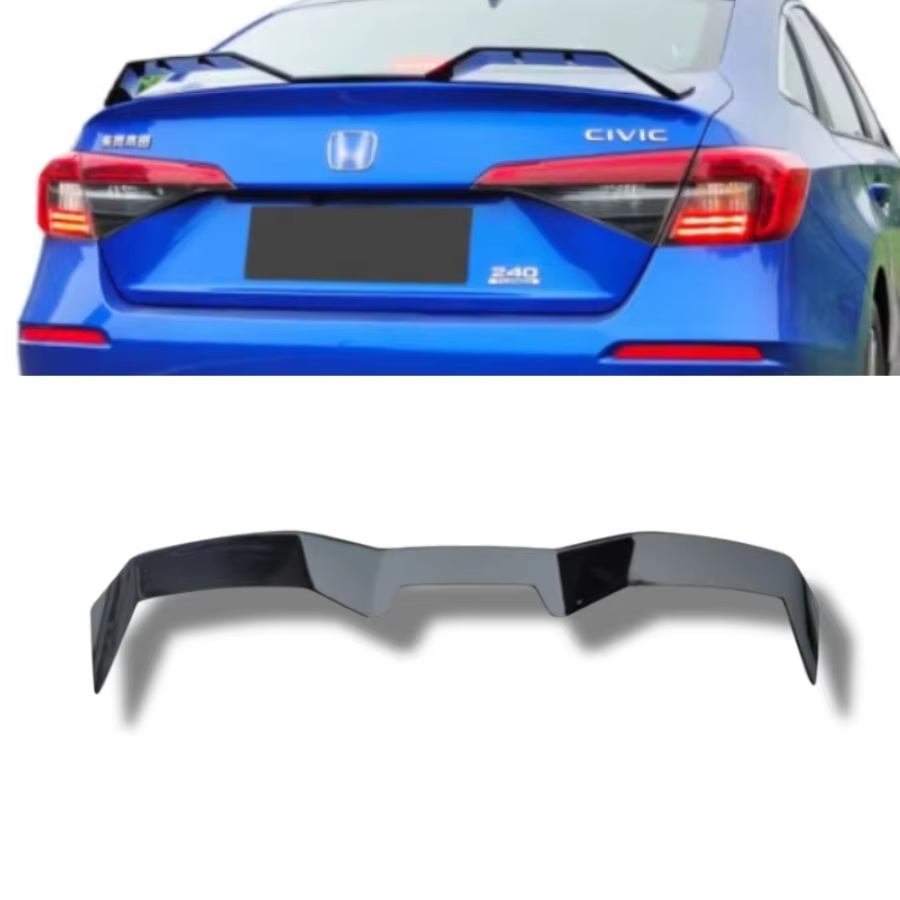
Understanding Auto Rear Spoiler Types and Their Visual-Functional Language
Lip, Ducktail, Wing, Pedestal, and Active Spoilers: Matching Form to Intent
Lip spoilers sit right against the trunk edge, giving cars a refined look without doing much for actual aerodynamics. They're great for folks who want their ride to look good but don't need extra performance. Ducktail designs have that natural upward curve, creating just enough downforce while bringing back memories of classic sports cars from decades past. Wing spoilers stick out high on those vertical supports, really grabbing air at high speeds which makes them perfect for racing tracks where stability matters most. Pedestal spoilers hide the support inside the base itself, so they still give decent downforce but look much cleaner overall. Active spoilers pop out automatically when going fast on highways thanks to electric mechanisms, striking a nice balance between everyday driving and getting that boost when needed. The message each spoiler sends is pretty clear: lips say "I'm sophisticated but low key," ducktails whisper "I respect tradition," wings shout "race ready!" and active systems show off cutting edge tech. Picking one comes down to matching what kind of statement you want to make with how you actually drive day to day.
Carbon Fiber vs. Fiberglass vs. Aluminum: Material Impact on Aesthetic Premiumness and Durability
What material gets chosen really affects how something looks and lasts over time. Carbon fiber? It's super strong for its weight and has that distinctive woven look everyone associates with race cars. But here's the catch: without proper UV protection, it tends to turn yellow after sitting in sunlight for months. Fiberglass is another option. Paint sticks better on this stuff, and matching factory colors isn't so hard either. Plus, it costs less money upfront. However, fiberglass cracks easier when hit hard, which makes it great for cars built mainly for shows rather than actual racing. Then there's aviation grade aluminum. This metal resists rust pretty well and holds its shape even under stress. Still, plain aluminum just looks too industrial until coated properly with good quality powder finish. Most serious car fans still go for carbon fiber when they want top performance and authentic racing aesthetics despite the higher price tag. Fiberglass works fine for folks working within tighter budgets. And aluminum? That's usually saved for situations where nothing else can stand up to harsh conditions.
Selecting the Right Auto Rear Spoiler by Vehicle Class and Design Identity
Performance Sedans, Sports Cars, and Hot Hatches: Proportion, Aggression, and Brand Alignment
Low profile spoilers work wonders for performance sedans. Think integrated lips or those subtle ducktail designs that keep looking sleek at the back without messing up the car's long lines. Sports cars need something different altogether. They look great with those pedestal mounted wings or nicely shaped ducktails that make them stand out on the road and actually help when going fast. For hot hatches, small roof extensions tend to be the way to go since they maintain that quick handling feel manufacturers built right into these little beasts. The key thing is matching the spoiler style with what the car was meant to be. European luxury models typically look best with matte finish carbon fiber pieces that don't stick out too much. Meanwhile, American muscle cars just scream for those big, deep contour wings that match up with their wide fenders and aggressive looks.
Real-World Compatibility: Spoiler Pairing Principles
Most universal fit spoilers just don't cut it when it comes to getting good results. When they're not aligned properly, everything suffers from both an aerodynamic standpoint and how things look together. Take muscle cars for example, these beasts need spoilers that really stand out with their curves and width so they match those aggressive rear ends. On the flip side, smaller performance hatches work better with lighter spoilers since too much weight back there can throw off the balance completely. For grand tourers, color matching matters a lot. The finish needs to be close enough to original equipment quality and the contours should blend in smoothly without looking tacked on. Before buying anything big, measure that trunk lid carefully, check if the mounting area is actually flat, and read what the manufacturer says about weight limits. Some larger wings might need extra brackets or even some chassis reinforcement work. At the end of the day, going with model specific spoilers still makes the most sense if someone wants something that fits right out of the box, lines up like factory installed parts, and avoids those expensive fixes after installation that nobody wants to deal with.
Ensuring Seamless Integration: Fitment, Finish, and Visual Cohesion
Color Matching, Gloss/Matte Finishes, and End Plate Details for Factory-Like Consistency
Getting factory grade integration right starts with matching colors precisely. Always check for the original equipment manufacturer's paint code, usually located either on the door jamb or near the VIN plate instead of trying to guess based on what looks similar. Glossy finishes maintain that fresh off the lot appearance even when applied to complex metallic or pearlescent paints. Matte coatings create striking contrasts these days, working particularly well on darker tones or surfaces with a satin finish. When looking at end plates, they can really show if something was made properly. Quality pieces will have smoothly rounded edges, good coverage throughout, and maintain the same sheen level all around without giving away any signs it's aftermarket stuff. To keep things looking good long term, go for clear coats that resist UV damage. This matters most for carbon fiber components or lighter colored vehicles where sun exposure tends to fade colors and make them turn yellow after several years out there.
Size, Mounting Method, and Clearance: Avoiding Visual Overload or Understatement
Getting the right proportions matters a lot when it comes to spoilers. When they're too big, they mess with how the car looks overall and people notice all the wrong things. On the flip side, if they're too small, they just look tacked on at the last minute. For lighter parts like lips and ducktails, adhesive mounts work pretty well most of the time. They don't require cutting into the body and help keep the car's value intact when selling later. Larger wings need drilling for better stability, especially when there's significant downforce involved. But this method requires proper sealing by someone who knows what they're doing to stop water from getting in and causing rust problems down the road. Checking clearances is important too so the trunk opens properly without issues. Leaving about half a millimeter gap between the spoiler and the rest of the car helps avoid that floating effect where it seems disconnected from the body. Ultimately, we're not just looking for something that works mechanically. The best spoilers blend seamlessly into the design so nobody realizes it was added after production.
Frequently Asked Questions
What is the primary function of a rear spoiler on a car?
A rear spoiler primarily enhances aerodynamics by generating downforce, which improves a vehicle's stability at high speeds. Depending on its design, it can also be an aesthetic feature that adds to the car's styling.
How do I choose the right material for a rear spoiler?
Cheaper options like fiberglass are well-suited for vehicles primarily used for show, while carbon fiber, despite its higher cost, offers exceptional strength and performance preferred by racing enthusiasts. Aluminum is reserved for extremely harsh environments due to its robustness.
Are there any challenges with installing a spoiler?
Installation challenges can include ensuring proper alignment and fitment, precise color matching for a factory-like finish, and possibly needing additional support or reinforcement for larger or heavier spoilers.
