Home > News > Company News
Selecting materials for an auto body kit involves finding the sweet spot between how well it performs, how long it lasts, and what it costs. Fiberglass reinforced plastic or FRP tends to be budget friendly and easy to shape into whatever design someone wants, although it does crack when hit hard enough. Then there's polyurethane which bends better and takes impacts much better, so many people driving their cars regularly go this route. Carbon fiber stands out because it combines incredible strength with low weight plus looks amazing on any car, but comes with a steep price tag attached. For those looking somewhere in between these extremes, ABS plastic works pretty well too. It holds up reasonably well, weighs less than FRP, and doesn't break the bank like carbon fiber or polyurethane would. Industry numbers suggest carbon fiber parts might set someone back around three times what fiberglass ones do, yet they're roughly half as strong and weigh about forty percent less according to CarbonXTrem research from last year. The choice made here impacts more than just how the car looks externally it influences how the vehicle handles overall, how often repairs might be needed, and even what kind of resale value remains down the road.
Fiberglass really takes off in the lower price range because it doesn't break the bank and lets designers get creative with shapes. Sure, it breaks more easily compared to materials like polyurethane or ABS plastics, but fixing those cracks isn't too bad, and manufacturers can form it into all sorts of intricate designs when building something custom. The numbers tell the story too – fiberglass parts usually run about 40 to 60 percent cheaper than their polyurethane counterparts, and sometimes as much as 80 percent less expensive than carbon fiber according to AAExport data from last year. That makes these materials perfect for folks working on display vehicles, fun weekend garage projects, or any build where saving money matters more than having bulletproof components. Car fans who care more about how their ride looks rather than racing specs will find fiberglass gives them that personalized appearance without emptying their wallet.
While universal auto body kits claim to work on many models, most end up needing major tweaks and professional installation. When panels don't line up right, gaps form all over the place which messes with how air flows around the car. This reduces how well it cuts through the wind at speed and might even make handling worse when going fast. The manufacturing standards for these generic parts are pretty loose too, sometimes off by as much as 0.010 inches. That's way wider than what factories shoot for (usually about 0.002 inches). Such poor fitment puts extra strain on where things attach, causing them to wear out faster than normal. And let's face it, cars with non-OEM parts tend to lose money when sold later because potential buyers see these changes as either risky business or just plain amateurish. Going with kits made specifically for particular vehicles makes all the difference though. These are built according to factory blueprints and use the same attachment points as original equipment, so everything lines up properly. Not only does this keep the car looking good, but it maintains proper airflow characteristics and actually helps preserve its worth down the road.
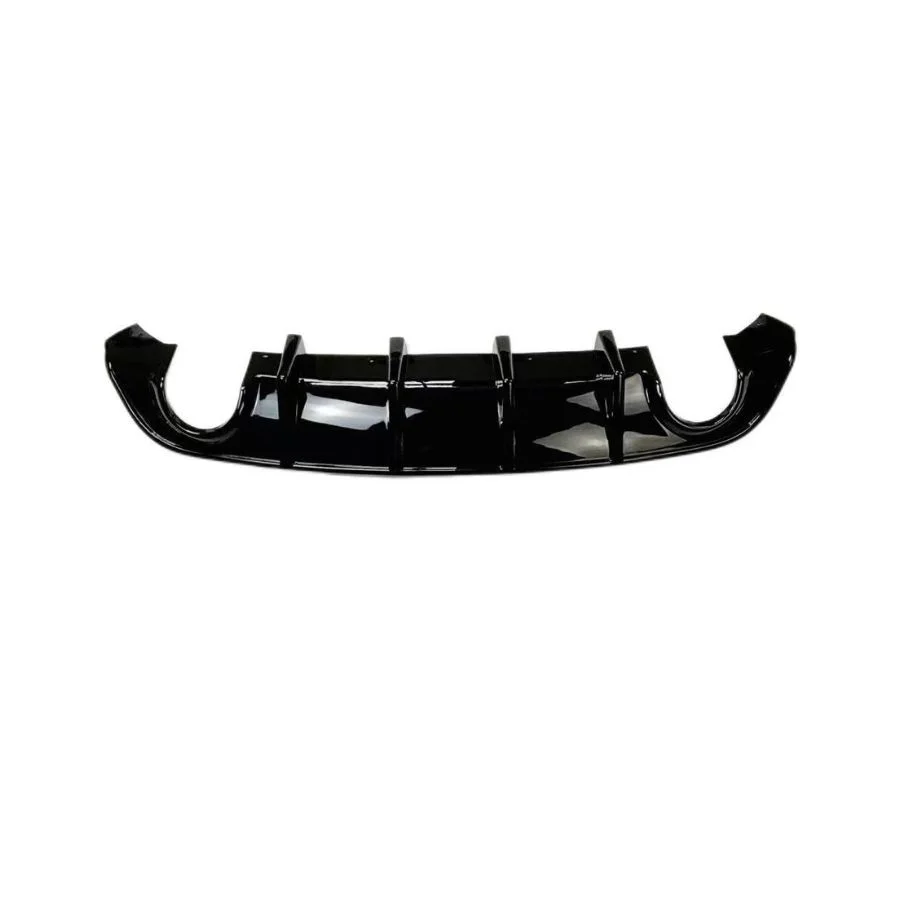
Aerodynamic kits boost car performance mainly through better air management around the vehicle. Things such as splitter at front, those flaps on sides, the big thing at back (diffuser) plus wing all play roles in cutting down unwanted lift while pushing more force onto tires. This makes cars stay planted when going fast and handles corners much better too. Some good kits actually have vents built right into them which helps cool brakes and engines when someone really pushes hard on roads. Sure they look awesome with that racing style appearance that gets noticed everywhere, but most serious folks care more about how well they actually work. People building cars for tracks or anyone wanting precise handling will find real improvements from installing proper aero components, even though looks definitely matter too for many enthusiasts out there.
When installing widebody kits, the fenders get extended so they can handle those bigger wheels and tires out there. This gives cars way better grip when turning corners at speed. What we end up with is this really aggressive look that turns heads wherever these modified vehicles go. But there's a tradeoff here too. Adding all that extra width plus materials makes the car heavier overall, and creates more rolling resistance on the road. That means acceleration suffers a bit and gas mileage takes a hit during regular commutes. Getting these kits installed right is no small task either. Mechanics need to be super careful about keeping everything aligned properly or else parts might not fit together correctly later on. Sure, widebodies boost performance and definitely make an impression visually, but they work best on projects where looking good and having serious track potential matters more than saving money at the pump.
Real carbon fiber stands out because it's both strong and light weight, plus pretty tough stuff that can stick around for more than a decade if treated right. On the flip side, those vinyl wrapped or fake looking carbon fiber pieces are basically just there for looks. They don't hold up well when exposed to sunlight or harsh weather conditions, usually falling apart after maybe two or three years at best. According to some recent research from the Composite Materials Durability folks in 2024, what we get comes down to whether the material is authentic or not. Genuine composite materials keep their shape and quality over time, whereas those cheap surface treatments just fade away without any real staying power whatsoever.
Good quality brands usually offer solid warranty coverage for their products, often around 3 to 5 years protection against factory flaws, and they work closely with certified pros who know how to get everything installed right. According to some numbers floating around the industry, these kinds of partnerships cut down on installation mistakes by roughly 72% when compared to companies that mainly target DIY enthusiasts. Real customers who have actually used these kits tend to leave honest reviews online, which gives potential buyers a good sense of how well things fit together and stand up over time. Anyone looking to upgrade should really focus on finding a brand that offers clear warranty terms, has access to skilled installers nearby, and consistently gets positive feedback from other users. This approach generally leads to fewer headaches down the road with a product that works as promised.
What are the key materials used in auto body kits, and how do they compare?
Auto body kits typically use materials like fiberglass reinforced plastic (FRP), polyurethane, carbon fiber, and ABS plastic. FRP is budget-friendly but prone to cracking, polyurethane is more impact-resistant, carbon fiber is lightweight and strong but expensive, and ABS plastic offers a middle ground in terms of cost and durability.
Why is fiberglass considered a popular entry-level option for auto body kits?
Fiberglass is affordable, allowing for creative design possibilities. Though it can crack easily, repairs aren't too costly, making it ideal for those prioritizing aesthetics and cost over performance.
What are the drawbacks of using universal auto body kits?
Universal kits often require major adjustments and can result in poor fitment. This misalignment affects aerodynamics, increases wear and tear, and can decrease resale value compared to vehicle-specific kits.
How do aero and widebody kits differ in terms of functionality?
Aero kits enhance performance through improved air management, providing downforce and cooling, perfect for track use. Widebody kits offer better stance and tire clearance but may compromise acceleration and fuel efficiency due to added weight.
How can consumers identify reputable auto body kit brands?
Reliable brands typically offer warranties, partner with skilled installers, and have positive reviews from customers, ensuring product quality and effective installation.
 Hot News
2025-09-02
2025-09-01
2025-08-20
2025-08-12

Yiwu Shengying supplies high-quality LED car and motorcycle lights, auto accessories, and customized parts. Durable, fashionable products trusted globally. Contact us for wholesale solutions.
Room 2001, Zhongfu Plaza, Futian Street, Yiwu City, Zhejiang Province
Copyright © 2025 by Yiwu Shengying Auto Accessory Co., Ltd. | Privacy policy

 EN
EN