
 EN
EN
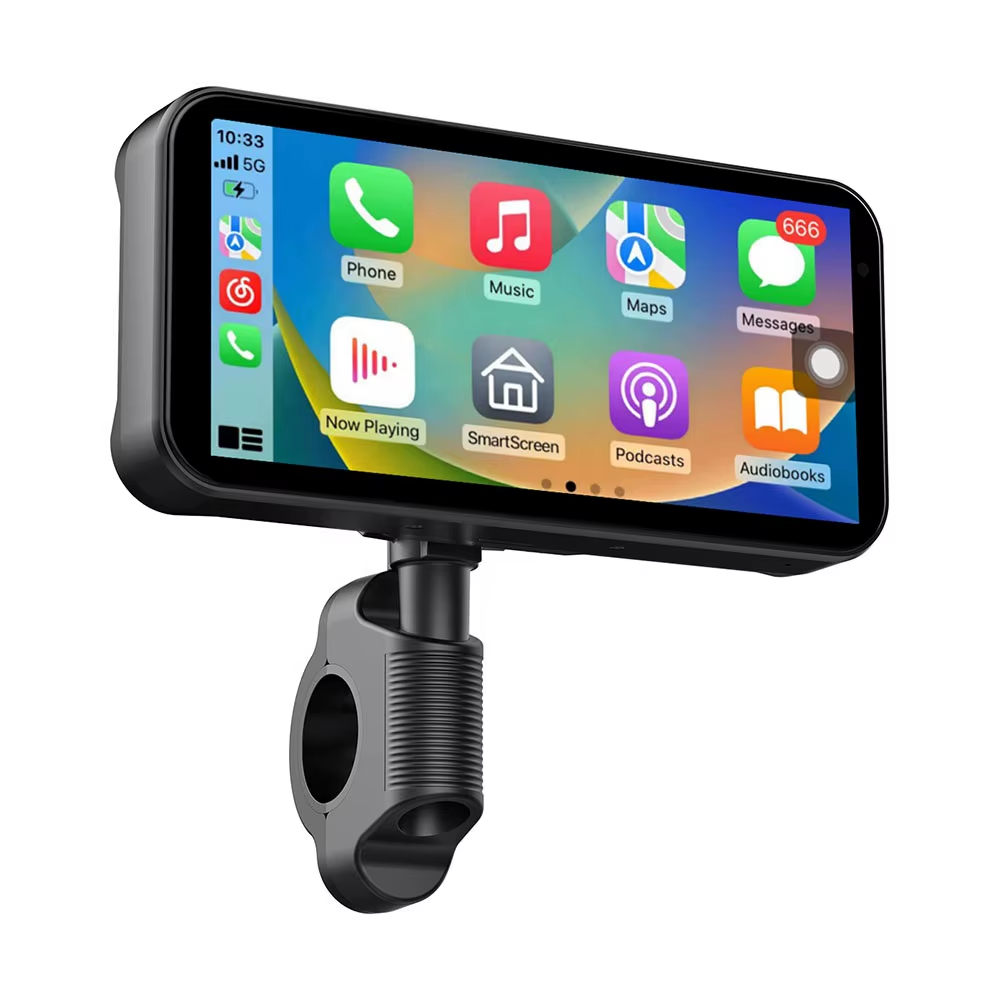
Compatibilità con CarPlay per Motocicli e Hardware Essenziale
Il Tuo Motociclo Supporta CarPlay? Valutazione della Prontezza del Sistema Infotainment
La verità è che la maggior parte delle nuove motociclette non è dotata di Apple CarPlay integrato di fabbrica. I dati del settore indicano che circa 9 motociclette su 10 richiedono l’installazione di un componente aggiuntivo per ottenere l’integrazione con lo smartphone. Per far funzionare correttamente CarPlay, occorre innanzitutto soddisfare alcuni requisiti fondamentali: la moto deve disporre di una solida alimentazione a 12 volt in qualche punto, deve esserci spazio sufficiente sul cruscotto o sul manubrio per il dispositivo stesso e, cosa importante, deve essere garantita un’alimentazione elettrica affidabile per tutta la durata del viaggio. Le moto più vecchie, prodotte prima del 2020, richiedono generalmente un completo aggiornamento dell’hardware, il che può risultare piuttosto costoso. Alcuni modelli di avventura più recenti, come la BMW R 1250 GS, dispongono invece già di porte o connessioni che si integrano abbastanza bene con i sistemi CarPlay. Ma ecco l’aspetto critico: nessuno dovrebbe iniziare a praticare fori o a collegare cavi senza aver prima consultato lo schema elettrico della propria motocicletta. Abbiamo visto troppi casi in cui le persone hanno saltato questo passaggio, danneggiando sia l’costoso equipaggiamento CarPlay sia l’elettronica originale della motocicletta a causa di collegamenti eseguiti in modo errato.
Hardware indispensabile: schermi con classificazione IP67, adattatori wireless CarPlay e supporti resistenti alle intemperie
Quando si installano sistemi CarPlay specificamente per motocicli, sono necessari componenti in grado di resistere a condizioni molto più severe rispetto a quelli destinati alle autovetture. Il touchscreen dovrebbe certamente avere una protezione IP67, il che significa che rimane asciutto anche se immerso fino a un metro di profondità per mezz'ora. I motociclisti apprezzeranno questo tipo di protezione durante improvvisi acquazzoni. Abbinato a pulsanti sufficientemente grandi da poter essere premuti indossando i guanti e a un rivestimento dello schermo che riduce i riflessi del sole, all'improvviso diventa possibile leggere le indicazioni stradali senza socchiudere gli occhi. Anche gli adattatori wireless sono importanti, poiché qualsiasi ritardo superiore a circa 150 millisecondi rende la navigazione lenta e poco reattiva quando ci si muove velocemente nel traffico. Le soluzioni di fissaggio rappresentano un altro aspetto da considerare. Quei supporti di tipo RAM con cuscinetti in gomma funzionano effettivamente meglio sulle moto rispetto ai normali supporti per auto, che semplicemente non reggono alle vibrazioni continue. E parliamo per un attimo dell’alimentazione elettrica: collegarsi direttamente alla batteria della moto con fusibili in linea adeguati, compresi tra 5 e 10 ampère, garantisce risultati nettamente migliori rispetto all’utilizzo degli interruttori d’accensione. Test pubblicati sul Powersports Tech Journal confermano questa affermazione, evidenziando una riduzione del 78 percento circa dei disconnetti casuali in condizioni reali.
Installazione passo-passo di CarPlay per moto
Alimentazione sicura: prelievo dalla batteria vs. cablaggio comandato dall’accensione
Far funzionare CarPlay senza causare problemi dipende in larga misura dalla scelta della giusta fonte di alimentazione. I prelievi diretti dalla batteria forniscono una tensione stabile, ma possono scaricare la batteria nel tempo se rimangono collegati troppo a lungo. Secondo la recensione tecnica Powersports dell’anno scorso, circa un terzo delle configurazioni errate finisce con batterie completamente scariche a causa di questo problema. L’opzione migliore è invece il cablaggio comandato dall’accensione, che preleva energia da circuiti attivi soltanto quando la chiave è inserita e girata. Ciò attiva e disattiva automaticamente CarPlay secondo necessità, eliminando ogni preoccupazione di scarica indesiderata di altri componenti. L’installazione richiede tuttavia di verificare i circuiti con un multimetro per individuare quelli adeguati e sufficientemente potenti: di solito vanno bene fili relativi all’accessorio o ai fari. La maggior parte dei motociclisti che desidera far funzionare CarPlay esclusivamente durante le uscite preferisce questo approccio. Assicurarsi di inserire un fusibile in linea in prossimità del punto di prelievo dell’alimentazione, idealmente entro un massimo di sei pollici (circa 15 cm). Sigillare accuratamente tutti i collegamenti utilizzando termorestringente di qualità marina per una protezione aggiuntiva. Evitare assolutamente qualsiasi intervento sui sistemi di sicurezza fondamentali, come il controllo ABS, gli iniettori di carburante o le luci di freno, poiché ciò potrebbe generare gravi problemi in futuro.
Fissaggio sicuro e resistente alle vibrazioni e posizionamento ottimale dello schermo
I supporti per auto standard non riescono semplicemente a gestire le sollecitazioni cui sono sottoposti sulle motociclette, in particolare le vibrazioni comprese tra 15 e 30 Hz che si verificano diffusamente durante l’accelerazione del motore e il transito su strade irregolari. Per una stabilità affidabile, optare per supporti in alluminio lavorati a CNC dotati di isolatori in gomma integrati. Questi devono essere fissati alle forcelle anteriori o al manubrio utilizzando un composto antigrippaggio di buona qualità, per mantenere tutti i componenti ben serrati. Quando si installano i display, posizionarli a un angolo di circa 15–25 gradi rispetto alla direzione in cui la maggior parte dei piloti guarda naturalmente in avanti, generalmente subito sopra gli strumenti di bordo standard. Ciò contribuisce a ridurre al minimo i movimenti della testa durante la guida. Evitare di installare schermi in punti esposti ai raggi solari diretti, che potrebbero causare riflessi fastidiosi, o in zone che vengono ostruite durante le pieghe in curva o in fase di frenata intensa. Effettuare prima un test pratico a velocità autostradale. Se lo schermo inizia a sfocarsi durante la guida in linea retta, aggiungere dei contrappesi oppure valutare l’adozione di un sistema di supporto stabilizzato giroscopico. Infine, far passare tutti i cavi in modo da mantenerli lontani da qualsiasi componente mobile del sistema di sterzo. Fissare questi cavi ogni circa 10 cm (4 pollici) utilizzando tubi avvolgenti spiraliformi o guaine per cavi resistenti ai raggi UV, per prevenire usura e danneggiamenti nel tempo.
Abilitazione di CarPlay per moto su motocicli non nativi
Aggiunta di CarPlay a Harley-Davidson, Honda Gold Wing e altre motociclette legacy
Molte moto da turismo, come la Harley-Davidson Road Glide e i modelli più vecchi della Honda Gold Wing, non sono dotate di Apple CarPlay integrato perché i loro sistemi di intrattenimento sono stati progettati in un’epoca in cui gli smartphone non erano ancora così diffusi. È possibile effettuare un retrofit su queste moto, ma non funzionerà per tutti i modelli disponibili sul mercato. Iniziate esaminando cosa offre il produttore online o tramite le concessionarie, ad esempio aggiornamenti software o sistemi audio potenziati (Harley propone un sistema chiamato Boom! Box GTS, mentre Honda vende un modulo aggiuntivo denominato Audio Plus). Quando non sono disponibili soluzioni fornite direttamente dalla casa produttrice, esistono adattatori CarPlay di terze parti con grado di protezione IP67 che si collegano effettivamente al sistema informatico della moto tramite tecnologia CAN bus. Per installare correttamente questi dispositivi è necessario rivolgersi a un tecnico esperto nel cablaggio, poiché mantenere un buon flusso elettrico e garantire l’impermeabilità è fondamentale, soprattutto nelle zone in cui i cavi attraversano la carrozzeria o il cruscotto. I supporti di fissaggio in grado di assorbire le vibrazioni aiutano a prevenire il distacco delle schermate senza indebolire il telaio della moto. Prima di acquistare qualsiasi adattatore, verificate attentamente se è compatibile con una tensione di 12 V ±15%. Spesso questo dettaglio viene trascurato, con il risultato che l’apparecchiatura si guasta in seguito.
Configurazione finale e ottimizzazione audio per CarPlay su moto
Attivazione wireless di CarPlay, instradamento audio Bluetooth e riduzione del rumore del vento
Per far funzionare CarPlay in modalità wireless, attivare prima Bluetooth e Wi-Fi sia sull'iPhone che sullo schermo del display. Quindi accedere a Impostazioni, scorrere verso il basso fino a Generale, toccare CarPlay e cercare le auto disponibili. Per chi guida con il casco e desidera inviare l’audio direttamente al proprio casco? Utilizzare lo streaming Bluetooth A2DP per ottenere i migliori risultati. Impostare inizialmente il volume intorno al 60-70% durante la configurazione. Tutti abbiamo sperimentato, a velocità autostradale, come il rumore del vento sovrasti ogni altro suono. In realtà, il rumore del vento può ridurre la chiarezza del parlato fino al 70% a 60 mph, rendendo quindi fondamentale una gestione accurata dell’audio per garantire una comunicazione sicura durante la guida.
- Posizionamento del microfono sul casco : Montare i microfoni all’interno della barra mentoniera, protetti dal flusso laminare dell’aria
- Schermi antivento in schiuma : Applicare direttamente sugli elementi dei microfoni i para-vento per sopprimere le turbolenze
- Tecnologia di cancellazione del rumore sfruttare il processo di inversione di fase (disponibile negli auricolari premium) per neutralizzare i bassi frequenze provenienti dal motore e dal rumore del vento
Verificare le prestazioni su tutta la gamma di velocità – dall’assetto di minimo a oltre 70 mph – prima di utilizzare il sistema su lunghe distanze. Una calibrazione costante del volume e una posizione aerodinamica dei microfoni garantiscono che i comandi di navigazione rimangano udibili e che la riproduzione musicale sia priva di distorsioni.
Domande frequenti
Posso installare Apple CarPlay su qualsiasi motocicletta?
Sebbene sia tecnicamente possibile installare Apple CarPlay su diverse motociclette, non tutti i modelli lo supportano. È fondamentale verificare se la propria moto dispone della necessaria alimentazione elettrica, dello spazio fisico e della compatibilità richiesta per l’installazione.
Quale tipo di schermo e supporto va utilizzato per le motociclette?
Per le motociclette è consigliabile utilizzare schermi con grado di protezione IP67, in grado di resistere a pioggia e polvere. Si raccomandano supporti robusti e resistenti alle vibrazioni, ad esempio realizzati in alluminio fresato CNC con isolatori in gomma, per gestire efficacemente le vibrazioni stradali.
Quali sono i rischi legati alle installazioni fai-da-te di CarPlay?
Le installazioni fai-da-te possono essere rischiose se non vengono osservate le opportune precauzioni. Ciò include potenziali danni all'elettronica della motocicletta o connessioni elettriche non corrette. Consultare lo schema elettrico della motocicletta e, se necessario, rivolgersi a un professionista può ridurre questi rischi.
Perché la connettività wireless è importante per CarPlay su motocicletta?
La connettività wireless garantisce una navigazione e uno streaming audio senza interruzioni, senza dover ricorrere a connessioni fisiche che potrebbero essere interrotte dai movimenti o dalle vibrazioni durante la guida.
