
 EN
EN
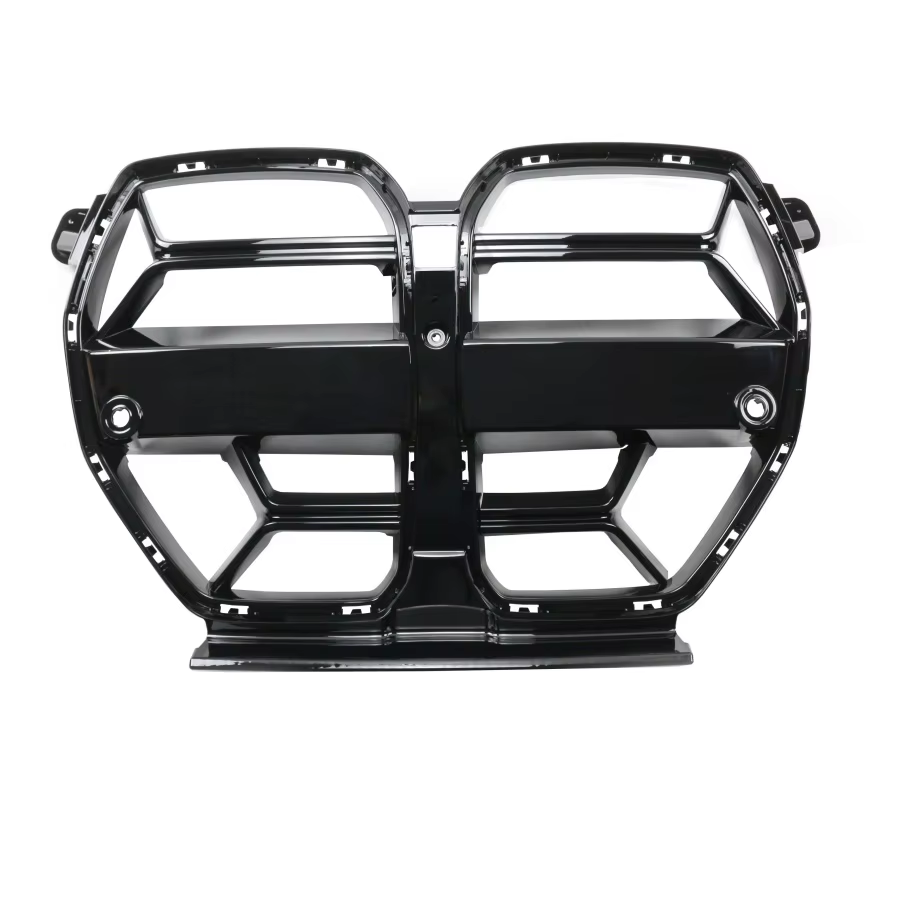
Choosing the best auto fastener for cars is a critical decision for automotive manufacturers, repair technicians, and aftermarket enthusiasts alike. The right auto fastener does more than just hold vehicle components together—it ensures structural stability, resists environmental wear, and matches the precise engineering of modern automobiles. With a wide range of auto fastener types available, each designed for specific applications, the “best” option ultimately depends on the component being secured, installation requirements, and long-term durability needs. Below, we break down the key types of auto fasteners, their ideal use cases, and the core criteria to select the perfect auto fastener for any car application.
Key Types of Auto Fasteners and Their Optimal Applications
Every auto fastener is engineered for a distinct purpose, and understanding their strengths is essential for informed selection.
- Plastic Push-Type Retainers: The most common auto fastener for trim panels, bumpers, and interior components, these lightweight clips offer easy installation and a snug fit for non-load-bearing parts. A high-quality plastic auto fastener of this type uses impact-resistant, UV-stabilized materials to avoid brittleness and breakage.
- Metal Screws and Bolts: For heavy-duty load-bearing components like fenders, hoods, and chassis parts, metal auto fasteners are the gold standard. Stainless steel or zinc-plated variants resist corrosion, making them ideal for undercarriage and engine bay applications.
- U-Clips and Speed Nuts: This auto fastener type excels for securing metal panels and trim to metal surfaces, providing a secure, vibration-resistant hold that prevents loosening on rough roads.
- Adhesive Fasteners: Perfect for exterior cosmetic parts like side skirts and mirror covers, adhesive auto fasteners create a seamless, drill-free fit while resisting water and temperature damage.
No single auto fastener works for all scenarios—combining types (e.g., plastic retainers for trim + metal bolts for structural parts) ensures comprehensive vehicle component security.
Critical Criteria to Select the Best Auto Fastener
Beyond type, the best auto fastener must meet strict quality and compatibility standards that align with automotive engineering requirements.
- Vehicle Compatibility: A top-tier auto fastener is precision-molded or machined to OEM specifications, matching the exact dimensional tolerances of specific car makes and models. Ill-fitting auto fasteners cause component damage, loose fittings, and premature failure.
- Material Durability: The best auto fastener uses high-grade materials suited to its environment—UV-resistant plastics for exterior use, corrosion-proof metals for wet/underbody areas, and industrial-strength adhesives for cosmetic parts. This ensures the auto fastener withstands extreme temperatures, road vibrations, and moisture for the vehicle’s lifespan.
- Installation Ease: A practical auto fastener balances security with installability. Professional-grade auto fasteners feature design elements like push-to-lock mechanisms or self-threading screws that reduce labor time without compromising hold strength.
- Load-Bearing Capacity: The best auto fastener is rated for the exact weight and stress of the component it secures. Lightweight trim only needs a low-load auto fastener, while structural parts require heavy-duty variants tested for high impact and constant vibration.
Why Quality Trumps Cost When Choosing an Auto Fastener
Opting for a cheap, low-quality auto fastener may save upfront costs, but it leads to costly repairs, component failure, and safety risks. A premium auto fastener undergoes rigorous quality testing, including stress, corrosion, and temperature resistance checks, ensuring it performs reliably in real-world driving conditions. High-quality auto fasteners also avoid common issues like cracking, stripping, or loosening, eliminating the need for frequent replacements and reducing long-term maintenance expenses. For automotive businesses, using a superior auto fastener also boosts customer satisfaction by delivering durable, long-lasting repairs and upgrades.
The Bottom Line: The Best Auto Fastener Is the Right Auto Fastener
There is no universal “best” auto fastener—excellence lies in matching the fastener type, material, and quality to the specific car application. Whether securing a delicate interior trim panel with a plastic push retainer or a heavy fender with a stainless steel bolt, the ideal auto fastener is OEM-compatible, durable, and engineered for the job at hand. Prioritizing quality materials and precision manufacturing in your auto fastener selection ensures your vehicle’s components remain securely fastened, performing optimally for years to come.
