
 EN
EN
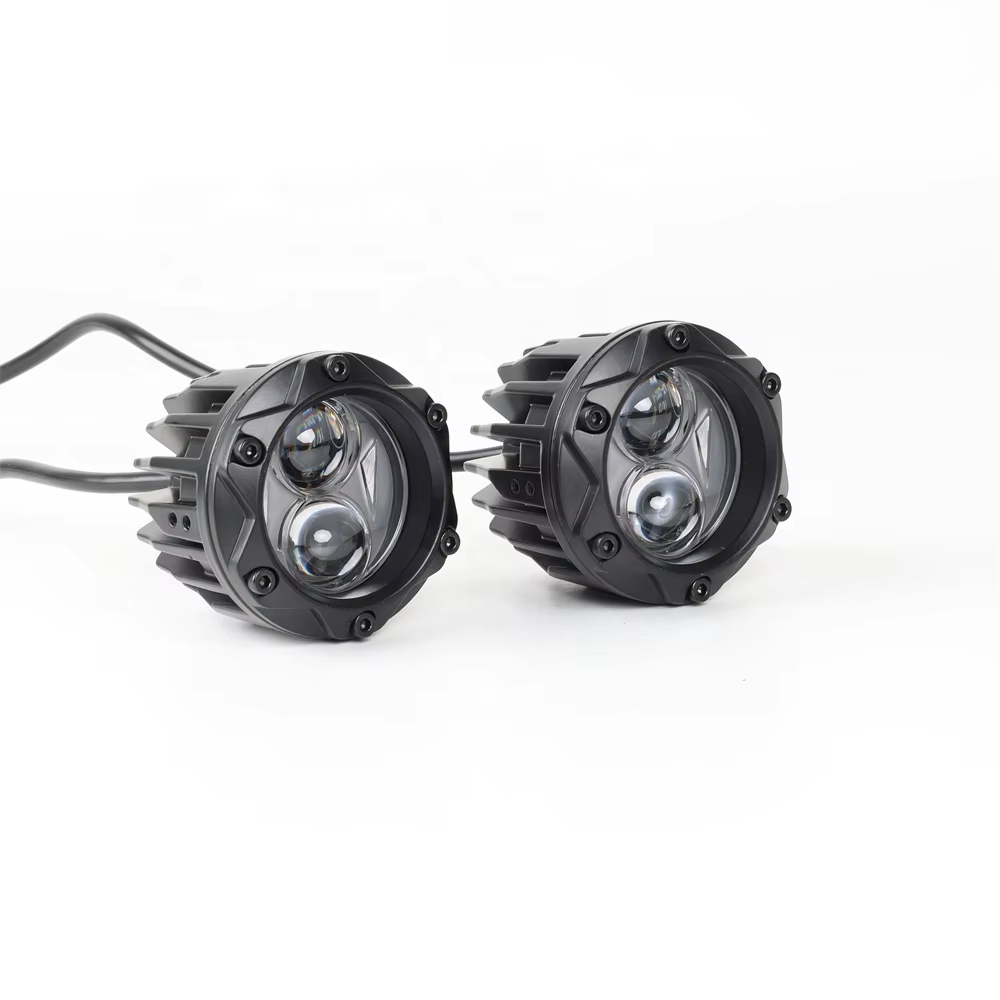
How Motorcycle Auxiliary Fog Lights Improve Visibility in Low-Visibility Conditions
Beam pattern and wavelength science: Why yellow/amber light (300–500 nm) minimizes backscatter in fog, rain, and snow
Amber light sits around the 300 to 500 nanometer wavelength range and actually scatters less when it hits water droplets floating in the air compared to blue or white light which has shorter wavelengths. Because of this characteristic, amber headlights can cut through fog banks, heavy rain showers, and even falling snow better than other colors. They highlight potential dangers on roads without forming that annoying glare wall effect many drivers complain about. When paired with a broad beam that's mounted lower on vehicles, these lights manage to shine right under thick weather conditions that block regular headlights. The result is much better visibility close to the ground level where drivers really need to see what's happening just ahead of their tires.
Performance validation: SAE J1383-compliant motorcycle auxiliary fog lights increase object detection distance by 42% in 100m fog (NHTSA 2022)
Tests conducted by the National Highway Traffic Safety Administration show that fog lights meeting the SAE J1383 standard can boost visibility by around 42% when driving through dense fog at 100 meters compared to just relying on regular headlights. What makes these lights effective? They follow strict guidelines for things like beam angles and light intensity so they shine where needed most without blinding other drivers. Motorcyclists especially benefit from this setup since they spot road signs, loose objects, and even animals crossing the road much sooner than before. This extra warning time matters a lot when visibility drops suddenly due to weather changes or unexpected fog patches on the highway.
Proven Safety Benefits of Motorcycle Auxiliary Fog Lights for Riders
Crash reduction evidence: 68% lower low-visibility collision risk with compliant motorcycle auxiliary fog lights (IIHS 2023)
According to a 2023 report from the Insurance Institute for Highway Safety, motorcyclists who install fog lights meeting SAE J1383 standards see around 68% fewer accidents when visibility drops because of fog, heavy rain, or snowfall. The main reasons behind this impressive drop? First off, these lights cut down on glare so riders spot dangers sooner. Plus, their special beam pattern spreads out across the road surface, showing where the pavement ends and what bumps lie ahead without blinding other drivers coming toward them. Looking at numbers from NHTSA makes it clear why timing matters so much here. Studies indicate that catching something dangerous even 1.3 seconds earlier could stop nearly all those crashes caused by bad weather conditions. That extra moment really does save lives. To stay within the law and keep everyone safe, riders should always mount these extra lights alongside regular headlights. Checking against either ECE R19 or DOT FMVSS 108 regulations ensures proper spread, brightness levels, and how long they'll last under real riding conditions.
Correct Installation and Regulatory Compliance for Motorcycle Auxiliary Fog Lights
Proper installation of motorcycle auxiliary fog lights isn’t optional—it’s foundational to both performance and road legality. Mounting height, beam geometry, and alignment directly determine whether the lights enhance your visibility or endanger others through glare.
Optimal mounting: Height, horizontal spread (≥50°), and sharp cutoff line per ECE R19 and DOT FMVSS 108
Mount lights 12–24 inches (30–60 cm) above the ground to project illumination beneath fog layers while maintaining optimal coverage. Ensure:
- Horizontal beam spread ≥50°, maximizing peripheral awareness without sacrificing focus
- A sharp, clean cutoff line—no upward light spill—to eliminate glare for oncoming drivers
- Downward tilt of 2°–4°, calibrated to match typical riding posture and suspension sag
These specifications align with ECE R19 (Europe) and DOT FMVSS 108 (US), which require rigorous photometric testing, environmental durability validation, and real-world beam pattern verification before certification.
Avoiding glare hazards: When improper use undermines safety—and how to prevent it
Even certified lights become hazards when misaligned: optical safety studies show improperly aimed fog lights can reduce visibility by up to 70% for approaching drivers. To preserve safety and legality:
- Activate auxiliary fog lights only during fog, heavy rain, or snow—not clear or lightly overcast conditions
- Confirm alignment using wall projection tests at 25 ft (7.6 m), checking for symmetrical spread and a crisp horizontal cutoff
- Recheck aim after any suspension service, crash impact, or handlebar adjustment
Non-compliance risks citations, insurance complications, and—more critically—increased collision risk. Precision calibration ensures your motorcycle auxiliary fog lights deliver their full safety benefit: clearer vision for you, and zero compromise for everyone else on the road.
FAQ Section
What is the advantage of using amber lights in foggy conditions?
Amber lights scatter less in fog, rain, and snow compared to blue or white light, improving visibility by reducing the glare effect.
Why is compliance with SAE J1383 important for auxiliary fog lights?
SAE J1383 compliance ensures that the fog lights meet certain guidelines for beam angles and light intensity, improving effectiveness and reducing risks of blinding other drivers.
How can improper installation of fog lights affect safety?
Improperly installed fog lights can create glare hazards for other drivers and decrease visibility, defeating their purpose and increasing collision risks.
Are there regulations that govern the installation of motorcycle auxiliary fog lights?
Yes, light installations should comply with regulations like ECE R19 in Europe and DOT FMVSS 108 in the US to ensure proper light spread, brightness, and durability.
