
 EN
EN
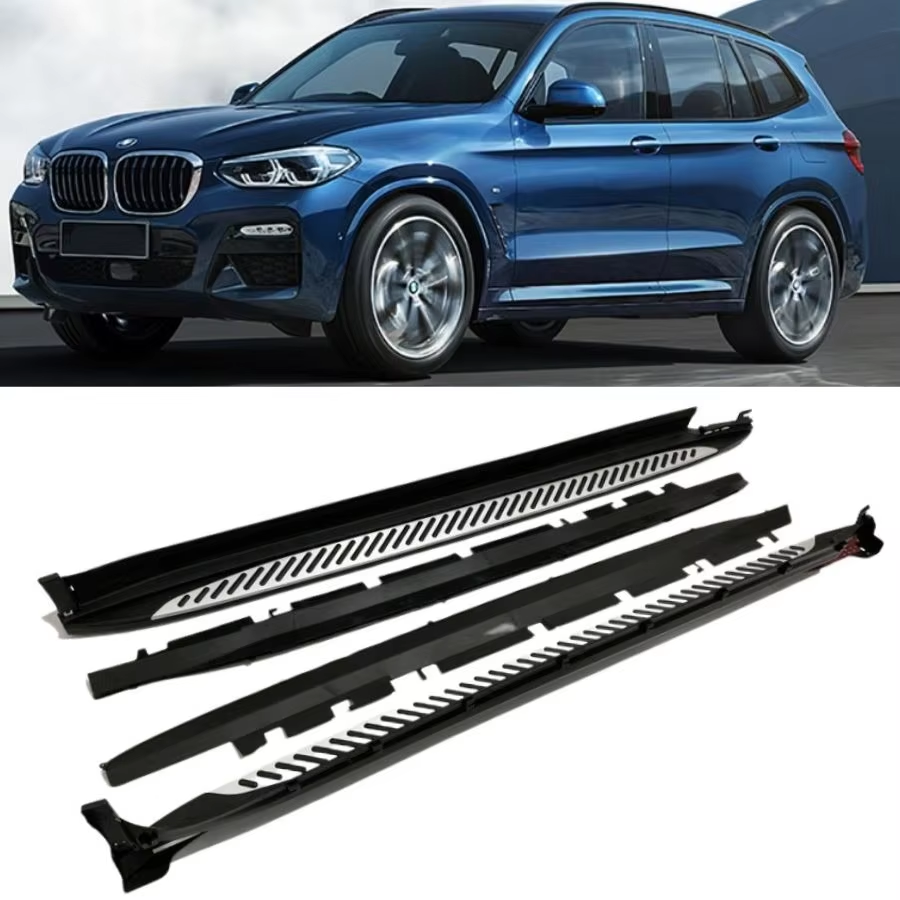
Understanding Auto Body Kits: Function, Form, and Key Benefits
What Is an Auto Body Kit and How Does It Transform Your Vehicle?
Auto body kits are basically bunches of extra parts added after manufacturing to make cars look better and maybe perform slightly better too. Most kits come with stuff like front and rear bumpers, those little side panels called skirts, spoilers on top, and occasionally wider fenders or those air directing pieces at the back. These aren't just random decorations though. When done right, body kits really change how a car looks overall. They give vehicles that aggressive stance or sporty vibe that makes them stand out compared to regular factory versions sitting next to them at stop lights. What's interesting about good quality kits is they don't just sit there looking pretty. All the different parts actually complement each other visually, showing off what kind of person owns the car. Plus some components might help with aerodynamics or protect against minor road damage, so it's not all just about appearances either.
How do body kits enhance cars beyond visual appeal?
Body kits do more than just look good they actually make cars perform better too. When properly fitted, these modifications work with how air moves over and around vehicles, cutting down resistance and giving drivers more control when pushing speed limits. Spoilers and those rear diffuser bits create downward pressure that keeps tires planted firmly on pavement during aggressive turns. The side panels and front bumper extensions direct airflow away from those messy wheel areas where turbulence builds up. Most decent kits come with extra protection for the underside of the car, saving expensive parts like exhaust systems from getting damaged by rocks or curbs. On long highway trips, all this aerodynamic tuning translates into slightly better gas mileage too, so it's not just about looks or go fast it makes sense for everyday driving as well.
Benefits of aftermarket body kits: Enhancing aerodynamics and undercarriage protection
Putting on aftermarket body kits offers more than just looks. There are actually three main reasons why people install them. For starters, these modifications really boost how air flows around the car. Front splitters push more force onto the front wheels, keeping the car planted during aggressive driving. Meanwhile, those rear diffusers help smooth out the air underneath, which cuts down on resistance and makes the car feel more stable at higher speeds. Another big plus is protection for the underside of the vehicle. Without side skirts and extended bumpers, rocks, speed bumps, and even low hanging garage doors can scratch or dent expensive components. Lastly, body kits open up possibilities for bigger wheels and tires because they allow for wider fenders and increased track width. Many enthusiasts find that stock body panels simply won't fit the larger rubber they want to run. Wind tunnel tests have shown that quality body kits can cut drag by about 12% and add around 30% more downforce when cruising on highways. These improvements matter whether someone drives to work every day or races on weekends.
Matching Auto Body Kit to Your Car’s Make, Model, and Year
Choosing body kits based on car model and year for perfect fitment
Picking out the correct auto body kit really begins by checking if it works with what kind of car we're talking about here. The fit is all about whether those parts actually match up properly with everything else on the vehicle, from the engine specs down to transmission details and even the body shape itself. When something doesn't fit right, there might be alignment problems, potential safety risks, or expensive fixes later on. Before buying anything though, take a good look at that VIN number on the dashboard along with whatever specs came from the factory when the car was made. Doing this simple check helps avoid those annoying situations where panels don't sit flush together, which looks bad and might affect how well things work too.
Compatibility of body kits with specific vehicle trims and modifications
When picking out body kits, they need to work with whatever trim level the car has plus any mods already done on it. Sportier trims usually come with different bumpers, where the exhaust sits, or how the fenders are shaped, which can really mess with whether things will fit right. Take it from experience a basic kit meant for standard models might just sit wrong on something with performance upgrades because those fancy parts have different airflow features or places where stuff attaches. Throw in after market stuff like custom exhaust systems or wider wheels and fitting becomes even trickier business. Always check what the makers say about compatibility first, but don't hesitate to talk to someone who knows cars if there's any doubt at all about whether the kit actually works with everything currently on the vehicle.
Why OEM alignment matters when selecting an aftermarket auto body kit
When parts are aligned with OEM (Original Equipment Manufacturer) specifications, they fit much better with how the car was originally built. This matters a lot for safety reasons. Kits made according to OEM standards generally install without too many headaches and keep the vehicle's structure intact something that really affects how well the car performs in crashes. On the flip side, when kits aren't properly aligned with OEM specs, mechanics often end up having to cut metal, drill holes, or use glue to make things fit. These modifications can actually weaken the frame or mess with important safety features inside the car. The National Highway Traffic Safety Administration looked into this back in 2022 and found that poorly fitting body parts can lead to worse crash test scores and even put pedestrians at greater risk during accidents. For anyone looking to maintain their vehicle's performance over time while keeping its value intact, going with OEM aligned parts just makes good sense in the long run.
Styling Themes and Trends: Choosing the Right Look for Your Car
Aggressive, sleek, or rugged: Matching body kits to car styling themes
Picking out an auto body kit really comes down to how well it matches what the car was already designed to look like. For those sporty coupes and sedans wanting something that screams performance, aggressive styling works best. Think sharp edges, big air intakes, and massive spoilers that give off that race track vibe. On the flip side, sleeker looks work wonders for luxury cars where people want just enough flair without going overboard. These might include small lip spoilers or diffusers built right into the bodywork. Then there are the rugged styles everyone loves on trucks and SUVs. These kits often feature tough materials like reinforced urethane plus practical additions such as front bumpers or wider fenders that actually protect against road debris. According to a recent survey from 2023, around two thirds of car customization fans care deeply about keeping everything looking consistent. Nobody wants parts that clash with each other or make the whole thing look disjointed. That's why most folks spend time making sure whatever gets added fits naturally with how the manufacturer originally envisioned the vehicle.
Styling trends: JDM look, race car inspiration, and drift style kits
Automotive styling these days draws a lot from motorsports and local car scenes across different regions. Take the JDM look for example it's all about subtle upgrades that keep things looking factory fresh but better. People go for things like those sleek side skirts, those vertex bumpers everyone seems to love lately, and making sure everything looks proportionate. For race inspired builds, folks really care about how air moves around the car. Big front splitters, those little winglets on the sides called canards, and massive rear wings that stick out all help cut down on lift when going fast. Some studies show this stuff can actually make cars more stable at highway speeds maybe around 12% improvement? Not sure if anyone really checks that number though. Drift style mods mix eye catching looks with actual functionality. Widebody kits let people fit those huge wheels everyone wants these days, while dramatic rear diffusers create that aggressive stance we see everywhere now. What's interesting is how much online communities influence what gets modified. Most people who tweak their cars say they get ideas from Instagram posts and YouTube videos rather than traditional sources.
The rise of stance culture and its impact on body kit selection
The whole stance scene with those super low rides and all that negative camber stuff has totally changed what people look for in body kits these days. Most car nuts go for widebody kits when they want those deep dish wheels and really aggressive suspension setups. They care way more about how it looks than if it's practical for everyday driving around town. Getting these kits right takes some serious attention to detail with panels fitting together just so, and honestly a lot of folks end up needing custom parts made because standard kits just don't cut it for such extreme modifications. There are definitely downsides though. The latest numbers from the 2024 Aftermarket Modifications Report show that about 4 out of 10 cars built with this stance style experience faster wear on suspension parts and have trouble with ground clearance issues. Still, this craze is pushing manufacturers to come up with better modular designs that let owners tweak things bit by bit instead of having to replace everything at once.
Case Study: Transforming a Honda Civic with a full JDM-inspired auto body kit
Take the story of a 2001 Honda Civic as proof of what happens when styling stays consistent throughout. Someone decided to give their tenth gen model a full JDM makeover using parts from a top Japanese brand including a front bumper splitter, matching side panels, and those iconic rear under spoilers everyone loves. They went out of their way to get pieces with factory style mounting holes and made from tough ABS plastic so everything would last longer and fit just right. Once installed, wind tunnel tests actually showed around an 8% drop in drag resistance. More interestingly, people who saw the car after modifications mentioned feeling like it had about triple the visual appeal compared to stock models. What this shows is that picking materials carefully, making sure all design elements work together, and ensuring parts actually serve their purpose isn't just about looks it really does improve performance while keeping things looking cohesive.
Types of Auto Body Kits: Widebody, Aero, and Modular Designs
Auto body kits offer enthusiasts a versatile way to enhance both the appearance and performance of their vehicle. Understanding the primary categories helps in selecting the right upgrade for your specific goals.
Types of body kits: Widebody, ground effects, and aero packages compared
When someone wants their car to look bigger and handle better at speed, widebody kits are the way to go. These kits stretch out those fenders so they can accommodate wider wheels and tires, which gives vehicles better grip on the road while giving them that aggressive, muscle car look many enthusiasts crave. Ground effects stuff works differently but just as important. Think about those sleek side skirts and those lowered body panels most people notice first. They actually help manage how air flows around the vehicle, cutting down on unwanted lift when going fast. Then there's the whole category of aero packages that take things even further. Front splitters slice through turbulence, rear diffusers smooth out airflow underneath, and spoilers do what they say on the tin. All these components work together to make cars stable at highway speeds and responsive when cornering hard.
Performance-oriented aero kits vs. visual enhancement-only packages
Aero kits designed for performance work by managing air flow around the vehicle, cutting down on resistance while boosting downforce that helps cars stick better through corners and stop faster when needed. These kinds of modifications really shine on race tracks or during aggressive street driving scenarios. On the flip side, there are also those kits that mainly focus on looks over function, offering striking designs but not much actual improvement in how the car performs. The decision between these options boils down to what matters most to drivers: genuine improvements in handling characteristics versus simply wanting their ride to stand out visually from others on the road.
Trend: Growing popularity of modular body kits for customizable styling
People are getting pretty excited about modular body kits these days because they offer so much flexibility. Car enthusiasts can literally swap out parts like front bumpers, side skirts, and rear diffusers whenever they feel like changing things up. What makes this system work so well is that it lets folks personalize their ride bit by bit instead of going all in on one complete look from day one. For many owners, this means being able to tweak their vehicle's appearance gradually as tastes change or budgets allow, rather than locking into some permanent style that might not last long term.
Strategy: Selecting the right type based on your car's current design language
When choosing an auto body kit, align it with your vehicle's existing lines and purpose. Aggressive designs suit sports cars, while sleek additions complement luxury models. Consider fitment accuracy, material durability, and whether the kit serves performance, visual, or modular needs to ensure a cohesive and functional upgrade.
Material Choices for Auto Body Kits: Durability, Cost, and Performance
Common body kit materials: Pros and cons of fiberglass, carbon fiber, and urethane
What material gets chosen makes all the difference when it comes to how long an auto body kit lasts, what it costs, and how well it performs overall. Fiberglass tends to be budget friendly and pretty simple to mold into different shapes, which explains why many custom shops go this route. The downside? It cracks fairly easily if hit hard enough. Carbon fiber stands out because it combines incredible strength with super low weight plus that slick looking finish people love on race cars. Problem is, these parts come with sticker prices that make most wallets nervous. Urethane, also known as polyurethane, sits somewhere in between. It bends without breaking and holds up against impacts better than fiberglass does. Most shops consider urethane a good compromise for everyday driving conditions. According to industry numbers, switching from regular materials to carbon fiber can cut weight by around 30%, something that translates into real world improvements for acceleration and handling.
What materials are used in body kits for durability and finish quality?
When picking materials for their products, manufacturers often weigh how long something will last against how good it looks on the surface. Fiberglass is great for getting that smooth finish needed for paint jobs, though installers need to be pretty careful not to damage it while putting it together. Carbon fiber offers solid strength along with that signature woven look that luxury car buyers love so much. Then there's urethane, which really shines when it comes to bouncing back from small bumps and scrapes without losing its form or finish. According to research published in 2022 looking at replacement car parts, urethane components held up about 40 percent better against impacts compared to fiberglass counterparts in lab settings. This makes them particularly useful for cars that get driven regularly rather than just sitting in showrooms.
Carbon fiber vs. fiberglass — performance benefit or price premium?
Choosing between carbon fiber and fiberglass really comes down to what matters most: going fast or saving money. Carbon fiber parts can cut weight by around half compared to factory originals, making cars accelerate quicker, stop shorter distances, and handle corners better overall. The downside? Price tags usually run anywhere from double to triple what fiberglass components cost. Fiberglass works fine for everyday driving situations most of the time. But serious racers or car enthusiasts building custom showpieces often go with carbon fiber when they need that extra edge. Every little bit helps when pushing limits on the track or showing off at car shows where details matter.
Crash resistance comparison across body kit materials (NHTSA, 2022)
According to a recent report from NHTSA back in 2022, they looked at how different body kit materials hold up during crashes. Urethane stood out as the top performer when it comes to absorbing impacts. Instead of breaking apart completely, it tends to bend and then bounce back into shape. Fiberglass was okay in most situations but could actually turn into dangerous shards if hit hard enough. Carbon fiber is super strong on paper, no doubt about that, though there's always the risk of those little razor-sharp pieces flying around after a major collision. So what does all this mean? Well, when picking materials for car parts, manufacturers need to think not just about day-to-day toughness but also what happens in worst case scenarios. These newer composite materials seem to be beating the old standards hands down when it comes to overall crashworthiness.
FAQ
What are the main components of an auto body kit?
Auto body kits typically include parts like front and rear bumpers, side skirts, spoilers, wider fenders, and air directing pieces at the back.
How do body kits improve a vehicle's aerodynamics?
Body kits enhance aerodynamics by managing airflow around the vehicle, reducing resistance, and increasing downforce for better stability at high speeds.
Do auto body kits affect fuel efficiency?
Yes, properly fitted body kits can improve fuel efficiency by reducing drag, allowing for better airflow around the vehicle.
Why is OEM alignment important when selecting a body kit?
OEM alignment ensures parts fit correctly with the vehicle's original design, maintaining safety features and preventing potential structural issues.
What are the benefits of modular body kits?
Modular body kits offer flexibility, allowing car owners to personalize their vehicles by swapping out parts gradually instead of committing to one design permanently.
Which materials are commonly used for body kits?
Common materials include fiberglass, carbon fiber, and urethane, each offering varying benefits in terms of durability, performance, and cost.
Table of Contents
- Understanding Auto Body Kits: Function, Form, and Key Benefits
- Matching Auto Body Kit to Your Car’s Make, Model, and Year
- Styling Themes and Trends: Choosing the Right Look for Your Car
- Types of Auto Body Kits: Widebody, Aero, and Modular Designs
- Material Choices for Auto Body Kits: Durability, Cost, and Performance
- FAQ
